
Table of Contents
Time organization for individuals operating under public visibility follows specific structural patterns. The daily routine of celebrities involves coordinated scheduling, professional obligations, and activity sequencing that responds to the demands of public-facing professional work.
Understanding the daily routine of celebrities requires examining how time is allocated, activities are sequenced, and obligations are managed within single-day frameworks. This structural perspective reveals the organizational logic underlying how publicly recognized individuals move through their days.
What Daily Routine of Celebrities Means

The daily routine of celebrities refers to the structured organization of activities, obligations, and time allocation that characterizes how publicly recognized individuals conduct their days. This concept addresses the practical sequencing of daily activities rather than broader patterns of existence.
Daily routine focuses specifically on single-day time structures. How hours are allocated, what activities occupy different portions of the day, and how transitions between activities occur all fall within the scope of daily routine examination.
The daily routine of celebrities is shaped primarily by professional obligations and visibility-related requirements. These external demands create scheduling frameworks that determine how days are organized. Activities are sequenced around fixed commitments that provide structural anchors for daily organization.
Routine implies regularity, but daily patterns for publicly recognized individuals often involve managed irregularity. While certain structural elements recur, specific activities and timings may vary substantially across different days. The routine lies in the structural approach to organization rather than in identical daily patterns.
Understanding daily routine as a functional structure means examining how time is managed rather than what is consumed, felt, or valued during that time. The organizational mechanics of day structuring represent the focus of daily routine analysis.
Why Daily Structure Matters Under Public Visibility
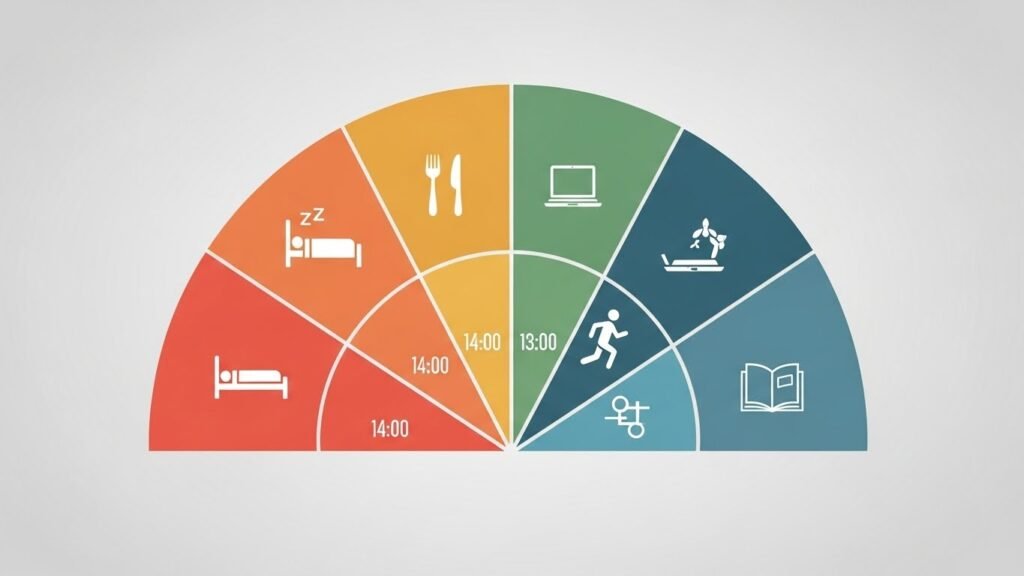
Structured daily organization serves essential functions when professional activity involves public visibility. The requirements of public-facing work create scheduling demands that necessitate deliberate time management.
Coordination Requirements
Multiple professional obligations must be coordinated within limited daily time. Appearances, professional activities, preparation, and transitions all require time allocation. Without structured scheduling, these competing demands cannot be effectively managed.
Coordination extends beyond individual scheduling to involve multiple parties. Support professionals, colleagues, venues, and media outlets all operate on their own schedules. Effective daily functioning requires aligning individual activities with these external timing requirements.
The interdependence of activities creates sequencing constraints. Certain activities must precede others, creating ordering requirements that shape how days are structured. These dependencies establish the logical framework for daily organization.
Visibility Preparation Demands
Public visibility requires preparation that consumes scheduled time. Readiness for observable activities involves advance work that must be incorporated into daily time structures.
The amount of preparation time required varies based on activity types. Different professional obligations require different preparation investments. Daily structures must allocate appropriate preparation time for each day’s specific obligations.
Preparation activities often cannot be compressed beyond certain minimums. Adequate readiness requires sufficient allocated time regardless of other scheduling pressures. This creates non-negotiable time demands that anchor daily scheduling.
Recovery and Sustainability Considerations
Sustained functioning requires incorporating recovery periods into daily structures. Continuous activity without breaks diminishes capacity for subsequent performance. Daily routines must include provisions for maintaining functional capacity.
Recovery needs vary based on activity intensity. More demanding activities require more substantial recovery allocation. Daily structures respond to these varying needs by adjusting recovery provisions accordingly.
The sequencing of high-demand and lower-demand activities throughout days reflects recovery considerations. Alternating intensity levels across the day allows for functional maintenance without extended complete breaks.
Morning Preparation and Readiness
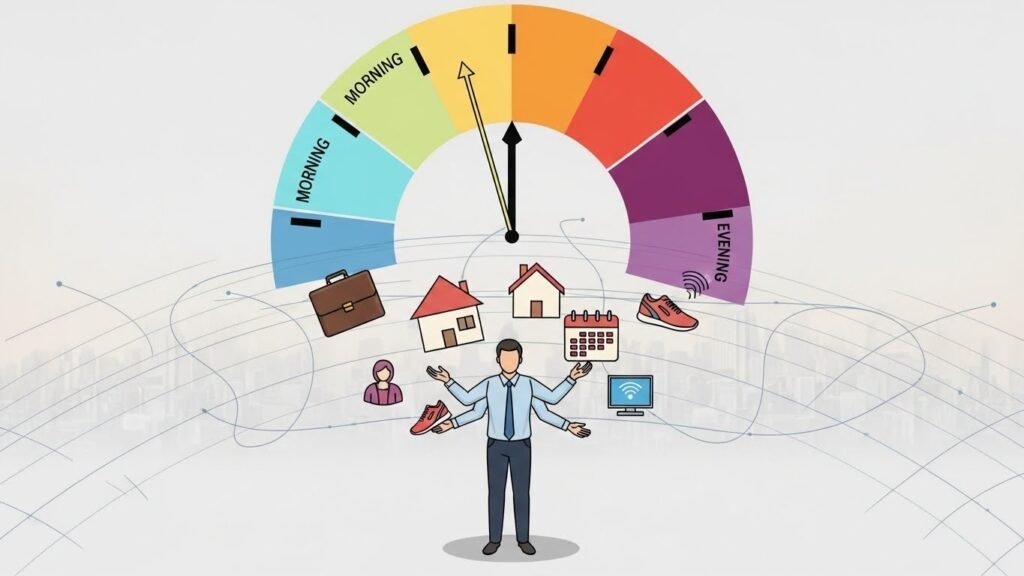
Morning periods typically involve preparation activities that establish readiness for subsequent daily obligations. This preparation phase addresses requirements for professional activities scheduled later in the day.
Physical Readiness Activities
Physical preparation occupies morning scheduling for many public-facing professionals. Activities that establish physical readiness for the day’s demands occur during early hours before primary obligations begin.
Physical maintenance activities may be scheduled during morning periods. Conditioning, exercise, or other physical preparation occurs when schedule space permits and when timing aligns with subsequent activity requirements.
Grooming and presentation preparation consumes morning time allocations. Readiness for visibility requires attention to appearance that occurs during preparatory phases before public-facing activities.
Review and Preparation Work
Morning periods often include review of upcoming daily obligations. Understanding what the day requires enables appropriate preparation and mental organization for subsequent activities.
Material review for specific upcoming activities may occur during morning hours. Preparation for interviews, performances, or other professional obligations includes engagement with relevant content or material.
Coordination communications frequently occur during morning periods. Confirming arrangements, addressing scheduling matters, and aligning with support professionals typically happens before primary daily activities begin.
Scheduling Flexibility Variations
The structure of morning periods varies based on when primary daily obligations begin. Early-starting days compress morning preparation into shorter windows while later-starting days allow extended morning periods.
Days with intensive early obligations may require morning preparation to begin correspondingly early. The timing of subsequent activities determines when preparatory phases must conclude.
Some days may involve no fixed morning obligations, allowing different morning structure than days with early commitments. This variation means morning routines adapt to each day’s specific requirements rather than following invariable patterns.
Professional Commitments Throughout the Day

Core professional activities typically occupy substantial portions of daily schedules. These primary obligations represent the central structural elements around which other daily activities are organized.
Primary Professional Activities
The main professional work of public-facing individuals occurs during scheduled periods throughout the day. Recording, performing, competing, filming, or other primary professional activities occupy dedicated time blocks.
These primary activities often involve fixed scheduling determined by external requirements. Production schedules, event timings, or competition structures establish when primary activities must occur. Individual scheduling adapts to these external requirements.
Duration of primary professional activities varies considerably. Some days may involve brief primary obligations while others require extended engagement. Daily structure responds to these varying demands.
Support and Facilitation Activities
Professional commitments extend beyond primary visible activities to include support functions. Meetings, consultations, planning sessions, and coordination activities occupy schedule portions alongside primary professional work.
These support activities enable effective primary professional functioning. Time allocated to meetings, communications, and planning represents necessary investment in overall professional effectiveness.
The scheduling of support activities often fills gaps between primary obligations. Transition periods and schedule openings accommodate these secondary but necessary professional activities.
Professional Preparation Within the Day
Preparation specifically for upcoming same-day activities occurs throughout daily schedules. Immediate readiness for approaching obligations requires proximate preparation distinct from general morning readiness work.
Hair, makeup, wardrobe, and presentation preparation occurs before specific appearances or activities. These preparations are timed to produce readiness at the required moment.
Mental and material preparation immediately preceding activities ensures appropriate readiness. Review, focus, and final preparation occur in the periods directly before professional obligations begin.
Scheduled Appearances and Obligations

Appearances and formal obligations represent fixed scheduling elements that anchor daily structure. These commitments involve external parties and timing requirements that create non-negotiable scheduling constraints.
Interview and Media Obligations
Media commitments occupy scheduled time blocks throughout many days. Interview obligations, media appearances, and press activities require allocated time within daily structures.
These obligations typically involve fixed timing determined by media outlet schedules. Broadcast windows, publication deadlines, and media availability create timing constraints that individual schedules must accommodate.
Preparation and transition time surrounding media obligations extends the total schedule impact. Travel to locations, readiness preparation, and post-appearance transitions all require additional time beyond the appearances themselves.
Event and Appearance Commitments
Attendance at events and formal appearances creates scheduling obligations. Industry events, promotional appearances, and professional gatherings require presence during specified periods.
Event timing typically cannot be adjusted to individual preference. The external nature of event scheduling requires daily structure to accommodate fixed timing requirements.
Extended events may occupy substantial portions of daily schedules. The commitment includes not only attendance duration but also preparation and travel time extending the total schedule impact.
Promotional and Contractual Obligations
Professional arrangements may specify particular appearance or activity obligations. Contractual commitments create scheduling requirements that must be incorporated into daily structures.
These obligations may involve specific timing requirements or may allow scheduling flexibility within broader windows. The degree of flexibility affects how obligations are incorporated into overall daily organization.
Multiple promotional obligations may require coordination to fit within single days. Sequencing and timing alignment enables fulfillment of multiple commitments within available time.
Time Management and Controlled Scheduling

Effective daily functioning requires deliberate time management. The complexity of scheduling demands under public visibility necessitates systematic approaches to schedule organization.
Schedule Architecture
Daily schedules involve structured organization of time blocks allocated to specific activities or activity categories. This architecture creates the framework within which daily functioning occurs.
Fixed commitments establish scheduling anchors around which other activities are organized. The known timing of non-negotiable obligations provides the structure that flexible activities fill around.
Buffer periods between activities accommodate transitions and unexpected timing variations. Schedule architecture includes provision for the time costs of moving between activities and locations.
Coordination With Support Systems
Daily schedules are typically managed with support from scheduling professionals. The complexity of coordination requires dedicated attention that support systems provide.
Schedule management involves ongoing adjustment as circumstances change. New obligations, timing shifts, and emerging requirements necessitate continuous schedule modification.
Communication systems ensure awareness of current schedule status. Those involved in supporting daily functioning require access to current schedule information to coordinate effectively.
Prioritization and Conflict Resolution
When scheduling demands exceed available time, prioritization determines which obligations are met. Not all potential activities can be accommodated, requiring decisions about relative priority.
Conflict resolution involves determining which obligations take precedence when timing overlaps occur. Professional significance, contractual requirements, and relationship considerations influence these determinations.
Declining or rescheduling some potential activities becomes necessary when time constraints prevent full accommodation. Selective engagement enables focus on priority obligations.
Breaks, Downtime, and Recovery Periods
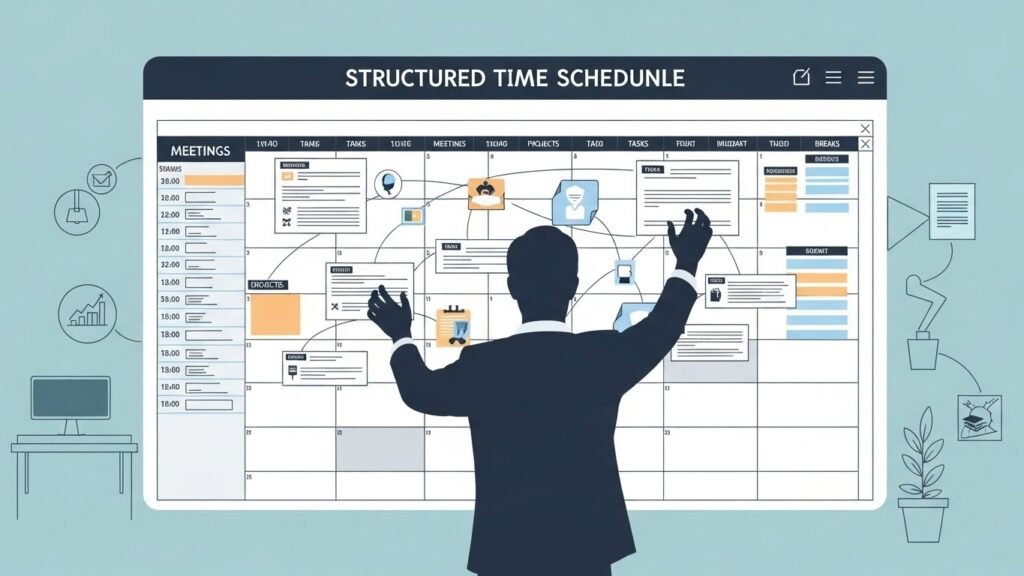
Daily schedules incorporate periods of reduced activity for recovery and maintenance purposes. These breaks enable sustained functioning across full days and across successive days.
Scheduled Break Periods
Formal breaks are built into daily schedules between intensive activities. These scheduled periods provide defined windows for rest and recovery within structured days.
Break duration varies based on surrounding activity intensity and available schedule space. Intensive activities may require longer recovery periods while lighter activities permit shorter breaks.
Break scheduling involves balancing recovery needs against time constraints. Limited available time may compress breaks below optimal duration, requiring judgment about acceptable minimums.
Meal and Sustenance Periods
Time for meals and nutrition occupies scheduled portions of daily structures. Physical maintenance requires regular sustenance periods incorporated into daily organization.
Meal timing may be constrained by surrounding professional obligations. Specific activity requirements regarding eating timing may affect when meal periods can occur.
Meal periods sometimes combine with other activities when schedule constraints require efficiency. Meetings over meals or working sustenance breaks reflect time pressure while maintaining necessary nutrition.
Unstructured Time Windows
Some daily periods may lack specific scheduled activities, providing unstructured time within otherwise organized days. These windows allow for flexible activity or additional recovery.
Unstructured time availability varies across different days. Days with intensive obligations may contain minimal unstructured time while lighter days permit more flexibility.
The use of unstructured periods remains at individual discretion within whatever constraints apply. These windows provide the primary schedule space for non-obligatory activities.
Evening Responsibilities and Wind-Down Phases
Later portions of days involve both continuing obligations and transition toward daily conclusion. Evening periods combine residual professional activities with preparation for rest.
Continuing Evening Obligations
Professional obligations frequently extend into evening hours. Events, performances, and other activities scheduled for evening periods continue structured activity beyond daytime hours.
Evening obligations may represent primary daily activities rather than secondary commitments. The timing of core professional activities determines when intensive engagement occurs within daily structures.
Travel and return from evening obligations consumes additional time. Days with evening commitments extend active scheduling into later hours.
Post-Activity Transitions
Following completion of daily obligations, transition periods facilitate movement from active professional mode toward rest. These transitions involve both practical and physiological dimensions.
Practical transitions include travel from final activity locations, removal of professional presentation elements, and completion of day-end administrative matters.
Physiological transition involves the shift from activated engagement to rest-ready states. This transition requires time that must be accommodated before sleep periods begin.
Preparation for Subsequent Days
Evening periods may include preparation for following-day obligations. Review of upcoming schedules, advance preparation for next-day activities, and planning communications may occur during late-day hours.
The extent of next-day preparation varies based on subsequent-day requirements. Days preceding intensive obligations may require more extensive advance preparation than days before lighter schedules.
Balancing next-day preparation against current-day recovery needs requires judgment about priority allocation. Both functions compete for limited late-day time.
How Daily Routines Differ Across Industries
The daily routine of celebrities varies across different professional fields. Industry-specific requirements create distinctive daily structures that reflect particular professional demands.
Entertainment Industry Variations
Production-related work involves daily structures determined by production schedules. Call times, shooting schedules, and production requirements create the framework for daily organization during active production periods.
Performance-oriented work may concentrate primary activities in specific daily periods. Evening performances, for instance, create daily structures oriented around those fixed evening obligations.
Promotional periods involve daily structures dominated by media and appearance obligations. Interview schedules and promotional event timing shape days during these periods.
Athletic Field Variations
Competition schedules create daily structures oriented around event timing. Competition days involve organization built around fixed event schedules.
Training periods involve daily structures centered on physical preparation activities. Training schedules, recovery requirements, and physical maintenance shape daily organization during these periods.
Off-season and in-season periods involve distinctly different daily structures. The variation in professional demands across these periods produces corresponding variation in daily organization.
Variation Within Fields
Even within single industries, daily structures vary based on specific professional focus. Different types of work within the same broad field involve different daily organization patterns.
Career phase affects daily structure within fields. Individuals at different points in professional development face different scheduling demands that produce different daily patterns.
Specific current obligations shape daily structure more than general field characteristics. The particular requirements of current professional activities determine how specific days are organized.
Conclusion
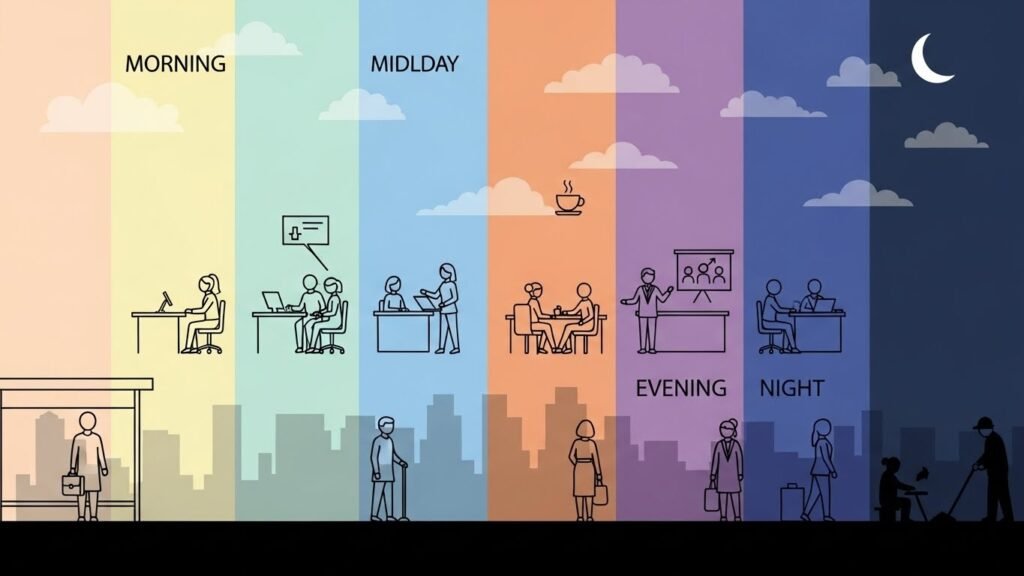
The daily routine of celebrities represents a structured approach to time organization that responds to the demands of public-facing professional work. This structure involves coordinated scheduling, deliberate time allocation, and systematic activity sequencing.
Daily structure matters under public visibility because of coordination requirements, visibility preparation demands, and recovery considerations. These factors necessitate deliberate rather than spontaneous approaches to daily organization.
Morning periods involve preparation and readiness activities that establish capacity for subsequent obligations. Physical readiness, review, and coordination activities occupy early-day scheduling.
Professional commitments occupy core portions of daily schedules. Primary professional activities, support functions, and immediate preparation represent the central obligations around which days are organized.
Scheduled appearances and obligations create fixed timing constraints that anchor daily structure. Media commitments, event attendance, and promotional obligations require accommodation within daily schedules.
Time management involves schedule architecture, coordination with support systems, and prioritization when demands exceed capacity. Systematic approaches enable navigation of complex scheduling requirements.
Breaks and recovery periods maintain functional capacity. Scheduled breaks, meal periods, and unstructured windows provide necessary recovery within demanding schedules.
Evening periods combine continuing obligations with transition toward rest. Post-activity transitions and next-day preparation occur during late-day hours.
Daily routine structures vary across industries and within fields based on specific professional requirements. The daily routine of celebrities reflects particular current obligations rather than universal fixed patterns, adapting to the specific demands each day presents.