
Table of Contents
Professional functioning in public-facing industries involves specific effort and reliability standards. Celebrity work ethic refers to the level of professional commitment, consistent effort, and accountability that characterizes successful operation within recognition-dependent fields.
Understanding celebrity work ethic requires examining why certain effort standards exist within these industries and how they function as structural requirements rather than optional enhancements. The demands of visibility-based professions create work ethic requirements that directly influence professional viability.
What Celebrity Work Ethic Means

Celebrity work ethic describes the professional effort standards, reliability expectations, and commitment levels that characterize successful functioning in public-facing industries. This concept addresses how work is approached and executed within fields where public recognition accompanies professional activity.
Work ethic in this context refers to the application of effort toward professional obligations. It encompasses how individuals engage with their professional responsibilities, the consistency of that engagement, and the reliability of their professional conduct.
The celebrity dimension of this concept reflects the specific demands of recognition-oriented fields. Industries involving public visibility impose particular requirements that shape what constitutes adequate professional effort. Celebrity work ethic represents the effort standards appropriate to these specific professional contexts.
This concept operates at the structural level of professional requirements rather than individual disposition. Celebrity work ethic describes what industries demand rather than what individuals feel inclined to provide. The requirements exist independent of individual preferences and apply based on professional circumstances.
Understanding celebrity work ethic as an industry requirement clarifies its function. It represents the effort threshold necessary for professional viability in visibility-dependent fields rather than an optional enhancement that might improve outcomes.
Why Work Ethic Matters in Public Careers

Work ethic holds particular significance in public-facing careers due to structural characteristics of these industries. Several factors establish work ethic as a fundamental professional requirement.
High-Stakes Professional Environments
Public-facing industries involve professional environments where individual performance has amplified consequences. Productions, events, and professional engagements often depend on reliable individual contribution. Failures in professional execution affect not only the individual but also numerous other parties involved in joint professional activities.
These high-stakes environments require work ethic standards that minimize risk of professional failure. The consequences of inadequate effort extend beyond individual outcomes to impact collaborators, organizations, and broader professional projects.
The investments involved in public-facing professional activities create expectations for corresponding effort application. Resources committed to productions, events, and professional engagements require reliable professional contribution to justify those investments.
Competitive Professional Contexts
Recognition-oriented industries operate within competitive dynamics where numerous individuals seek limited positions. This competition creates selection pressure that favors those demonstrating strong work ethic standards.
Adequate work ethic becomes a baseline requirement for competitive viability. Professional opportunities flow toward those meeting work ethic standards while those falling below these thresholds face reduced opportunity access.
The competitive dimension of celebrity work ethic means that industry standards rather than individual preferences determine required effort levels. What constitutes sufficient work ethic reflects competitive dynamics rather than abstract assessments of appropriate effort.
Visibility and Accountability
Public-facing work involves visibility that creates accountability beyond typical professional contexts. Professional conduct occurs under observation by industry colleagues, media, and public audiences.
This visibility creates accountability that reinforces work ethic standards. Professional behavior and effort levels become known rather than remaining private. This transparency creates consequences for work ethic that affect professional reputation and opportunity access.
The accountability dimension of public-facing work means that work ethic becomes observable rather than merely internal. How individuals approach their professional obligations becomes part of their known professional profile.
Effort Expectations in Visibility-Based Professions

Specific effort expectations characterize visibility-based professions. These expectations establish standards that define adequate professional contribution within these fields.
Intensive Engagement Requirements
Professional activities in recognition-oriented fields frequently require intensive engagement. Projects, productions, and professional commitments often demand substantial effort application during active engagement periods.
These intensive requirements exist due to the nature of the work involved. Creative productions, competitive activities, and performance-based work require concentrated effort that cannot be reduced without compromising outputs.
Celebrity work ethic involves capacity for intensive engagement when professional situations require it. Meeting the effort demands of intensive periods represents a basic professional requirement rather than extraordinary contribution.
Sustained Effort Over Extended Periods
Many professional activities in these fields extend over considerable durations. Productions, seasons, and project cycles may continue for months or longer, requiring sustained effort throughout.
Sustaining adequate effort over extended periods represents a distinct requirement from intensive short-term engagement. Maintaining professional standards across long durations tests work ethic in ways that brief intensive periods do not.
The sustainability dimension of celebrity work ethic addresses capacity to maintain standards over time rather than only at peak moments. Professional reliability requires consistent effort application across entire engagement periods.
Variable Demand Responsiveness
Effort demands in visibility-based professions vary across different periods and circumstances. Some phases require heightened effort while others permit reduced intensity. Responding appropriately to these varying demands represents a work ethic requirement.
Meeting heightened demands when they arise requires reserve capacity and willingness to increase effort during critical periods. Celebrity work ethic involves appropriate responsiveness to circumstantial demand variations.
This variability means that work ethic cannot be assessed only during typical conditions. How effort adjusts when demands increase reveals work ethic characteristics that steady-state observation might not show.
Consistency and Reliability as Professional Standards

Consistency and reliability represent core elements of celebrity work ethic. These qualities ensure that professional contribution meets standards across varied conditions.
Predictable Professional Performance
Delivering consistent professional performance across engagements establishes reliability. Colleagues and collaborators can anticipate the contribution individuals will provide based on established patterns.
This predictability supports effective professional collaboration. When contribution levels can be anticipated, coordination becomes more efficient and outcomes more reliable.
Inconsistent performance, even when averaging to acceptable levels, creates problems that consistent performance avoids. The reliability dimension of celebrity work ethic concerns variation as well as average contribution levels.
Reliability Under Adverse Conditions
Professional obligations must be met regardless of conditions. Celebrity work ethic involves maintaining adequate performance when circumstances are unfavorable rather than only when conditions support optimal functioning.
Adverse conditions may include physical discomfort, schedule demands, or challenging professional circumstances. Meeting obligations despite these conditions demonstrates the reliability component of work ethic.
Reliability under adverse conditions matters because unfavorable circumstances occur regularly in professional contexts. An ethic that functions only under ideal conditions fails to meet the practical requirements of professional work.
Commitment Fulfillment
Honoring professional commitments as made represents a fundamental reliability standard. Agreed obligations create expectations that professional work ethic requires fulfilling.
Commitment fulfillment extends beyond meeting minimum requirements to include fulfilling the spirit of professional agreements. Approaching committed obligations with appropriate effort reflects work ethic standards.
The commitment dimension of celebrity work ethic addresses follow-through on professional agreements. What is promised must be delivered, and how it is delivered reflects professional standards.
Preparation and Commitment Requirements

Preparation represents a significant component of celebrity work ethic. Readiness for professional obligations requires advance work that precedes visible professional activities.
Advance Preparation Standards
Professional engagements require preparation before the engagement itself occurs. Celebrity work ethic includes meeting preparation requirements that enable adequate performance during professional activities.
Preparation may involve skill maintenance, material review, physical readiness, or other forms of advance work. The specific preparation required varies by professional context but the requirement for adequate preparation applies broadly.
Arriving at professional obligations without adequate preparation represents a work ethic failure regardless of how the engagement itself proceeds. Preparation standards exist independent of whether performance ultimately succeeds or fails.
Ongoing Skill and Capability Investment
Maintaining professional capabilities requires ongoing investment between specific engagements. Celebrity work ethic includes continued development and maintenance of skills that underpin professional functioning.
This ongoing investment occurs outside of specific obligation periods. The work ethic requirement encompasses continued capability maintenance rather than only preparation for imminent engagements.
Skill and capability investment represents work that may not be directly observed but that enables observable professional performance. This less visible dimension of work ethic supports the visible professional activities that depend on it.
Comprehensive Engagement Readiness
Readiness for professional engagements extends beyond primary content preparation. Understanding contexts, circumstances, and requirements for professional situations represents part of thorough preparation.
Celebrity work ethic includes this comprehensive readiness rather than only narrow content preparation. Arriving fully prepared for professional situations requires attention to multiple preparation dimensions.
Comprehensive readiness enables more effective professional functioning than narrow preparation. Work ethic that encompasses thorough preparation supports better professional outcomes than minimal preparation approaches.
Accountability Under Public and Industry Scrutiny

Celebrity work ethic operates under conditions of scrutiny that create accountability beyond internal professional standards. Multiple sources of observation establish performance expectations.
Industry-Level Accountability
Professional industries maintain awareness of individual work ethic through professional networks. Reputation regarding work ethic circulates within industries and affects professional opportunities.
This industry-level accountability means that work ethic affects professional standing beyond immediate engagements. How individuals approach work becomes known within professional communities and influences future opportunity access.
Industry accountability creates consequences for work ethic that extend beyond specific engagement outcomes. Professional reputation includes work ethic dimensions that affect long-term professional positioning.
Collaborative Accountability
Professional work in recognition-oriented fields typically involves collaboration with numerous other parties. These collaborators observe work ethic directly and communicate assessments through professional networks.
Collaborative accountability creates immediate consequences for work ethic within shared professional activities. Colleagues experience the effects of individual work ethic and respond accordingly.
This direct observation by collaborators establishes accountability that formal oversight might not capture. Day-to-day professional interactions reveal work ethic characteristics to those positioned to observe them.
Public Visibility Dimensions
Some aspects of celebrity work ethic become visible to public audiences. Professionalism in public-facing activities, reliability in scheduled appearances, and quality of public performances all become observable.
This public visibility creates accountability to audiences as well as professional stakeholders. Visible work ethic failures may affect public perception in ways that influence professional outcomes.
The public dimension of accountability adds to rather than replaces industry and collaborative accountability. Celebrity work ethic operates under multiple simultaneous accountability structures.
Work Ethic Versus Talent Perception

The relationship between work ethic and talent warrants clarification. Common perceptions may underestimate the work ethic requirements of public-facing professional success.
Talent as Insufficient Alone
Talent without adequate work ethic fails to produce sustainable professional success in recognition-oriented industries. Raw capability requires application through effort to generate professional outcomes.
This insufficiency of talent alone reflects the effort-intensive nature of professional work in these fields. Even substantial capability requires work ethic to translate into professional achievement.
The relationship between talent and work ethic is complementary rather than substitutive. Neither replaces the need for the other, and sustainable success requires both elements operating together.
Work Ethic Requirements Independent of Talent Level
Work ethic requirements apply regardless of talent levels. High capability does not reduce work ethic expectations and may in some respects increase them.
This independence means that work ethic standards function as universal requirements within professional contexts. Talent does not excuse work ethic deficiencies or reduce accountability for professional effort.
Industry expectations for work ethic apply uniformly based on professional position rather than adjusting to individual capability assessments. Meeting work ethic standards represents a constant requirement.
Visibility of Talent Versus Effort
Talent may be more visible to outside observers than the effort applied through work ethic. Professional outcomes become apparent while the work producing those outcomes may remain less visible.
This visibility difference can create misperceptions about what produces professional success. The effort dimension may be underestimated when talent is more readily observed.
Understanding celebrity work ethic requires recognizing this visibility asymmetry. What appears as talent-based success typically involves substantial effort that outside observation does not fully capture.
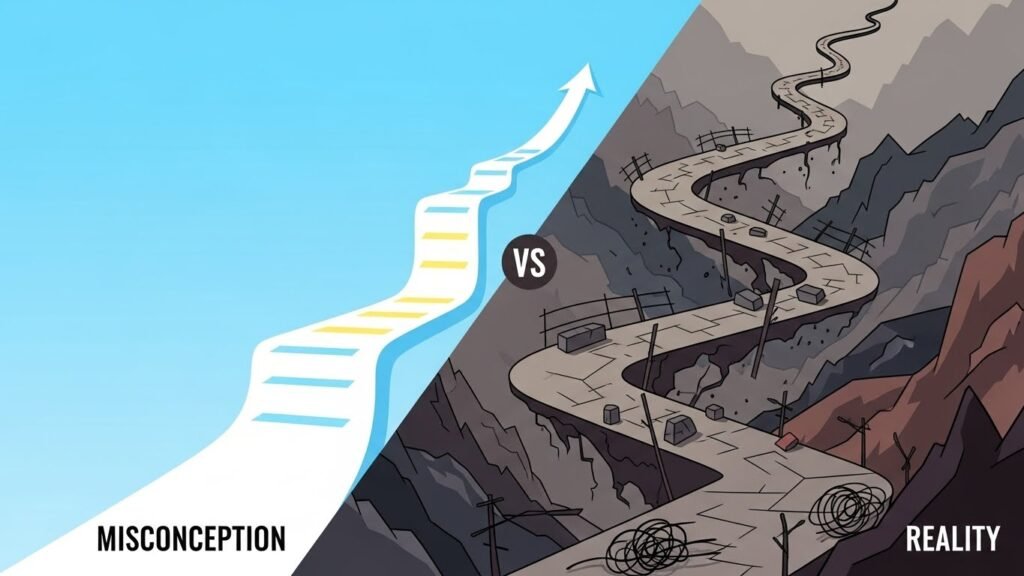
Misunderstandings About Celebrity Work Ethic

Several common misunderstandings distort perception of celebrity work ethic. Clarifying these misconceptions supports more accurate understanding of work ethic in recognition-oriented fields.
Ease Assumptions
Assumptions that professional activities in visibility-based fields involve minimal effort misrepresent actual requirements. The appearance of effortlessness in professional performance may obscure substantial underlying effort.
Ease assumptions arise partly from visibility limitations. The effort invested in preparation, skill development, and professional functioning may not be apparent in observable professional activities.
Celebrity work ethic involves effort levels that ease assumptions do not reflect. The requirements of these professional fields involve substantial work rather than the minimal effort ease assumptions suggest.
Optional Enhancement Framing
Viewing strong work ethic as an optional enhancement rather than a structural requirement misunderstands its function. In competitive, high-stakes professional environments, adequate work ethic represents a baseline requirement rather than a distinction.
This framing error may underestimate the role of work ethic in professional outcomes. What appears as exceptional may actually represent necessary requirements for professional viability.
Celebrity work ethic functions as a structural requirement because industry conditions make it so. Competitive dynamics and professional demands establish work ethic as necessary rather than optional.
Uniformity Assumptions
Assuming that work ethic manifests identically across all successful individuals oversimplifies actual patterns. While work ethic requirements apply broadly, how those requirements are met varies across individuals and contexts.
Work ethic sufficiency can be achieved through different specific approaches. What matters is meeting professional requirements rather than meeting them through particular methods.
Understanding celebrity work ethic appropriately involves recognizing both the universal requirements and the varied forms through which those requirements may be satisfied.
Long-Term Professional Sustainability
Celebrity work ethic has significant implications for long-term professional sustainability. Work ethic patterns affect capacity for extended professional careers.
Sustainable Effort Patterns
Work ethic that enables sustained professional functioning over extended periods differs from approaches that cannot be maintained long-term. Sustainable patterns involve effort application that can continue without depletion.
This sustainability dimension affects career longevity. Work ethic patterns that exhaust capacity limit career duration while sustainable approaches support extended professional functioning.
Celebrity work ethic includes the sustainability dimension of effort application. Meeting current requirements in ways that compromise future capacity represents incomplete work ethic even if current obligations are fulfilled.
Professional Relationship Preservation
Work ethic affects professional relationships that influence long-term career trajectory. Reliable work ethic supports ongoing professional connections while unreliable patterns damage relationships.
Relationship preservation matters for long-term professional sustainability because career opportunities depend significantly on professional connections. Maintaining these connections requires consistent work ethic over time.
The relationship dimension of celebrity work ethic extends its significance beyond immediate engagement outcomes. Current work ethic affects future opportunity access through its impact on professional relationships.
Reputation and Ongoing Opportunity Access
Work ethic contributes to professional reputation that influences ongoing opportunity access. Established reputation regarding work ethic affects what opportunities become available over time.
Reputation effects accumulate over career spans. Consistent work ethic builds reputation that supports continued opportunity access while inconsistent patterns create reputation effects that limit future options.
Long-term professional sustainability requires work ethic that generates and maintains favorable reputation effects. Current work ethic influences future professional positioning through these reputation mechanisms.
Conclusion

Celebrity work ethic represents the effort standards, reliability requirements, and professional commitment levels that characterize successful functioning in recognition-oriented industries. This concept addresses work ethic as a structural requirement rather than an optional enhancement or individual disposition.
Work ethic matters in public-facing careers due to high-stakes professional environments, competitive industry dynamics, and visibility-created accountability. These factors establish work ethic as a baseline requirement for professional viability.
Effort expectations in visibility-based professions include intensive engagement capacity, sustained effort over extended periods, and responsiveness to variable demands. Meeting these expectations represents standard professional requirements.
Consistency and reliability function as core work ethic components, including predictable performance, reliability under adverse conditions, and commitment fulfillment. These qualities support effective professional functioning and collaboration.
Preparation and commitment requirements encompass advance preparation, ongoing skill investment, and comprehensive engagement readiness. These preparation dimensions represent essential work ethic elements.
Accountability structures including industry-level, collaborative, and public scrutiny establish consequences for work ethic that affect professional outcomes. Celebrity work ethic operates under multiple simultaneous accountability mechanisms.
The relationship between work ethic and talent involves complementarity rather than substitution. Talent alone proves insufficient without adequate work ethic, and work ethic requirements apply regardless of capability levels.
Common misunderstandings including ease assumptions, optional enhancement framing, and uniformity assumptions distort accurate perception of celebrity work ethic. Recognizing these misconceptions supports better understanding.
Long-term professional sustainability depends on sustainable effort patterns, professional relationship preservation, and reputation maintenance. Celebrity work ethic affects career longevity through these mechanisms.
Celebrity work ethic, understood as the professional effort requirements of recognition-dependent industries, functions as a structural necessity shaped by industry characteristics rather than an optional quality that enhances outcomes