
Table of Contents
The capacity of publicly recognized individuals to affect how others think, feel, and act represents a significant social phenomenon. Celebrity influence describes the power that widely recognized figures possess to shape opinions, behaviors, and cultural attitudes among populations who observe and pay attention to them.
Understanding celebrity influence requires examining the mechanisms through which recognition translates into persuasive capacity. This phenomenon operates through psychological, social, and cultural channels that merit careful analysis as a distinct form of social influence.
What “Celebrity Influence” Means

Celebrity influence refers to the capacity of publicly recognized individuals to affect the attitudes, beliefs, behaviors, and perceptions of others. This influence operates through the attention and regard that accompanies widespread public recognition.
The concept describes a relationship between recognized individuals and observing audiences. Influence flows from celebrities toward those who pay attention to them, affecting various dimensions of audience psychology and behavior.
Celebrity influence differs from other influence forms by its foundation in public recognition. Unlike influence based on formal authority, expertise credentials, or personal relationships, celebrity influence derives from visibility and the attention that visibility generates.
This influence operates across diverse domains. Opinions on social issues, aesthetic preferences, behavioral choices, and value priorities may all be affected by celebrity influence to varying degrees.
The concept encompasses both intended and unintended influence effects. Celebrities may deliberately attempt to influence audiences, or influence may occur simply through audience observation of celebrity behavior and expression without intentional influence effort.
Celebrity influence exists as a social phenomenon independent of any particular individual. The mechanisms through which influence operates apply broadly across recognition-oriented contexts regardless of specific fields or individuals involved.
How Celebrity Influence Develops
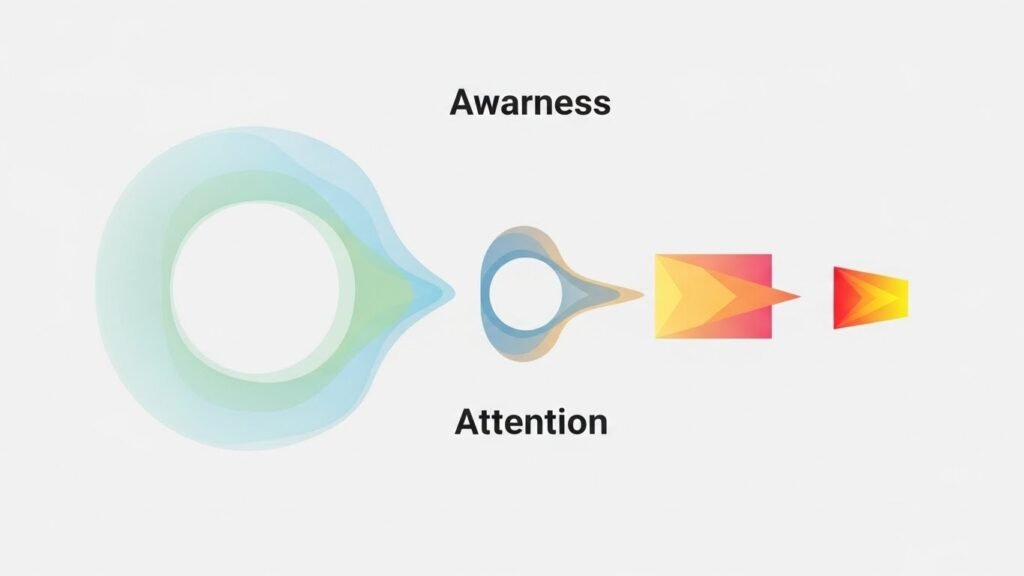
Celebrity influence emerges through processes that connect public recognition to persuasive capacity. Understanding how influence develops reveals the mechanisms underlying this social phenomenon.
Recognition Foundation
Influence requires recognition as its foundation. Before celebrities can affect audience attitudes or behaviors, audiences must first recognize and pay attention to them.
Recognition establishes the relationship through which influence flows. Without recognition, no channel exists for influence to operate between celebrity and audience.
The development of influence parallels the development of recognition. As recognition expands, potential influence capacity expands correspondingly by reaching larger audience pools.
Attention Accumulation
Sustained attention builds influence potential over time. Accumulated audience attention creates relationship depth that supports influence effects.
Repeated exposure to celebrities through various channels strengthens attention relationships. This repetition builds familiarity that facilitates influence operation.
Attention accumulation differs from simple recognition. Influence develops through ongoing attention relationships rather than mere awareness of celebrity existence.
Regard Development
Beyond attention, influence requires some form of positive regard or respect. Audiences must value celebrity perspectives or characteristics for influence to operate effectively.
Regard may take various forms including admiration, trust, identification, or aspiration. Different regard types support different influence mechanisms.
Regard develops through audience interpretation of celebrity characteristics and behavior. How audiences perceive celebrities determines the regard foundation for influence.
Relationship Perception
Audiences develop perceived relationships with celebrities despite lacking actual personal connection. These perceived relationships, sometimes called parasocial relationships, provide psychological infrastructure for influence.
Relationship perception creates emotional and cognitive engagement that facilitates influence. Audiences respond to perceived relationships in ways that parallel responses to actual relationships.
The development of perceived relationships occurs through accumulated exposure and audience psychological processes. These relationships form without celebrity awareness or participation.
Visibility, Attention, and Perceived Authority

The connection between visibility and influence operates through intermediary mechanisms. Understanding these connections reveals how mere recognition translates into persuasive capacity.
Visibility Creates Familiarity
Repeated visibility produces familiarity effects. Familiar figures receive different psychological treatment than unfamiliar ones, with familiarity often generating more positive responses.
Familiarity through visibility reduces psychological distance between celebrities and audiences. This reduced distance facilitates influence by creating conditions of perceived accessibility and relatability.
Visibility-based familiarity operates even without substantive knowledge. Audiences may feel they know celebrities simply through repeated exposure, regardless of actual understanding depth.
Attention Implies Importance
The attention directed toward celebrities signals importance to observing audiences. Social attention patterns communicate that attention recipients matter and deserve notice.
This implied importance affects how audiences weight celebrity perspectives. Opinions and behaviors of apparently important individuals may receive more consideration than those of others.
Attention-based importance operates somewhat circularly. Attention signals importance, which generates more attention, further reinforcing importance perception.
Visibility Suggests Authority
Sustained visibility may create perceived authority in audience minds. Prominent individuals may be assumed to possess knowledge, wisdom, or judgment that warrants their prominence.
This perceived authority may extend beyond areas of demonstrated competence. Visibility in one domain may generate authority perception in unrelated domains.
Authority perception enables influence by providing credibility for celebrity positions and behaviors. Audiences may accept influence from those they perceive as authoritative.
Psychological Factors Behind Celebrity Influence

Celebrity influence operates through identifiable psychological mechanisms. These mechanisms explain why audiences are susceptible to influence from publicly recognized individuals.
Social Proof Dynamics
Human psychology includes tendencies to look to others for guidance on appropriate attitudes and behaviors. Celebrities provide highly visible examples that may function as behavioral and attitudinal guides.
Social proof operates through observation of apparent consensus or exemplar behavior. When recognized figures display particular attitudes or behaviors, observers may interpret these as appropriate or desirable models.
The visibility of celebrities amplifies their social proof function. Their prominence makes them particularly salient exemplars relative to less visible individuals.
Identification Processes
Audiences may identify with celebrities, perceiving similarities or aspiring to similarity with recognized figures. Identification creates psychological connection that facilitates influence.
Identification-based influence operates through desire to resemble admired figures. Adopting celebrity attitudes or behaviors represents attempts to achieve or express identification.
The strength of identification varies across audience segments and individuals. Stronger identification typically produces stronger susceptibility to influence.
Halo Effects
Positive perceptions in one dimension may generalize to create positive perceptions in other dimensions. Celebrities admired for particular qualities may receive generalized positive attribution across unrelated areas.
Halo effects extend influence beyond areas of celebrity competence or relevance. Admiration based on performance ability may translate to credibility on entirely separate matters.
This psychological mechanism means celebrity influence often exceeds what rational analysis of celebrity qualifications might warrant.
Emotional Connection
Audiences develop emotional responses to celebrities that affect receptivity to influence. Positive emotional associations facilitate acceptance of celebrity positions and behaviors.
Emotional connection operates below conscious analysis. Influence effects may occur through emotional channels without conscious audience awareness of influence operation.
The parasocial relationships audiences form with celebrities involve genuine emotional investment. This emotional dimension distinguishes celebrity influence from purely rational persuasion.
Cultural and Social Dimensions of Influence

Celebrity influence operates within cultural and social contexts that shape its character and effects. Understanding these dimensions reveals influence as a cultural phenomenon.
Cultural Transmission
Celebrities participate in cultural transmission by modeling and expressing cultural values, norms, and practices. Their visibility makes them prominent cultural transmitters.
Cultural transmission through celebrities may reinforce existing cultural patterns or introduce variations. Celebrity behavior and expression becomes cultural content that audiences absorb.
This transmission function positions celebrities as cultural figures regardless of their intentions. Their visibility ensures cultural relevance whether or not they seek such roles.
Norm Establishment
Celebrity behavior may function to establish or modify social norms. What celebrities do publicly may affect audience perceptions of normal or acceptable behavior.
Norm establishment through celebrity example operates through social learning mechanisms. Observed behavior from prominent figures becomes reference material for norm construction.
This norm-establishing capacity makes celebrity behavior consequential beyond its direct effects. Celebrity conduct shapes the normative landscape for observing audiences.
Social Discussion Focus
Celebrities provide common reference points for social discussion. Their visibility creates shared cultural material that facilitates social interaction and discourse.
Discussion of celebrities and their positions or behaviors creates social processing of influence effects. Audiences discuss celebrity matters with each other, potentially amplifying or moderating influence through social interaction.
This social discussion dimension means celebrity influence operates partially through interpersonal channels. Individual audience responses interact with social discussion to produce aggregate effects.
Value Expression
Celebrity statements and behaviors may express values that audiences adopt or reject. The public nature of celebrity value expression creates visible value modeling.
Value expression through celebrity channels reaches wide audiences simultaneously. This simultaneous exposure creates potential for coordinated value shifts across populations.
Celebrity value expression may particularly affect audiences in value formation stages. Younger audiences or those encountering particular value domains for the first time may be especially susceptible.
Short-Term Influence Versus Long-Term Influence
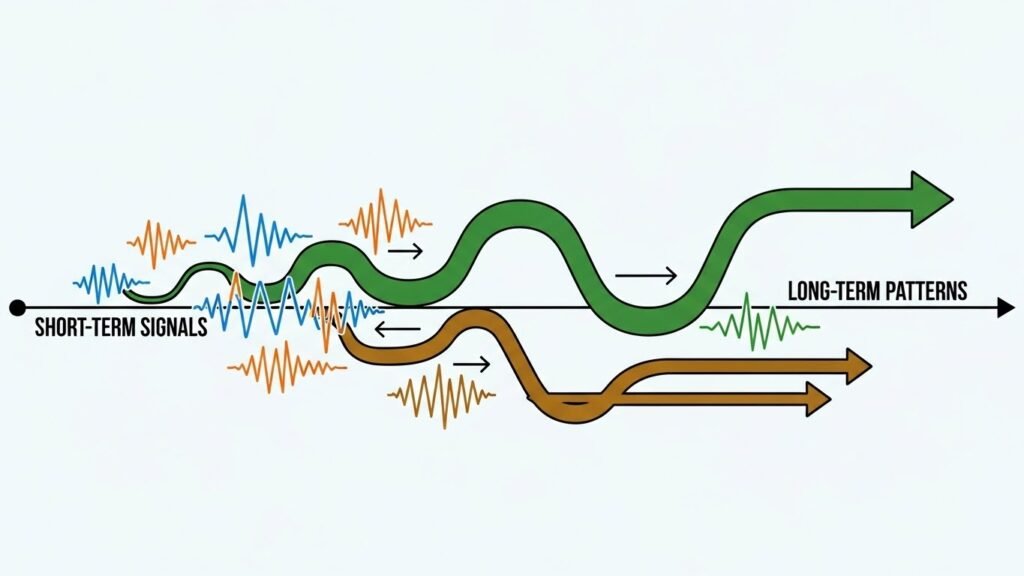
Celebrity influence operates across different temporal scales. Distinguishing short-term from long-term influence reveals important variation in how influence functions.
Immediate Response Effects
Some celebrity influence produces immediate audience response. Short-term effects may include immediate attitude shifts, behavioral responses, or attention direction changes.
Immediate effects typically require direct exposure to celebrity communication or behavior. The effect occurs close in time to the exposure that generates it.
Short-term influence may be more intense but less durable than long-term effects. Strong immediate responses may fade without sustained reinforcement.
Sustained Attitude Shifts
Other celebrity influence produces lasting attitude changes that persist beyond immediate exposure. These sustained effects represent deeper influence penetration.
Sustained influence typically requires repeated exposure or particularly impactful single exposures. Durability develops through reinforcement or through effect magnitude.
Long-term attitude shifts become integrated into audience belief systems. The influence effect persists because changed attitudes become part of stable psychological structure.
Cumulative Effects
Extended celebrity exposure may produce cumulative influence effects that build over time. Repeated small effects may aggregate into larger overall influence.
Cumulative effects may not be attributable to any single exposure. The influence develops through accumulated impact of numerous individual exposures.
Understanding cumulative effects requires long-term perspective. Short-term observation may miss influence that operates through gradual accumulation.
Developmental Influence
Celebrity influence during formative periods may particularly affect long-term development. Influence during identity formation or value crystallization periods may have lasting effects.
Developmental influence affects foundational attitudes and values rather than surface opinions. Effects during formative periods become built into psychological structure.
This developmental dimension explains why celebrity influence may particularly affect younger audiences. Formative periods create windows of elevated susceptibility.
Passive Influence Versus Active Influence
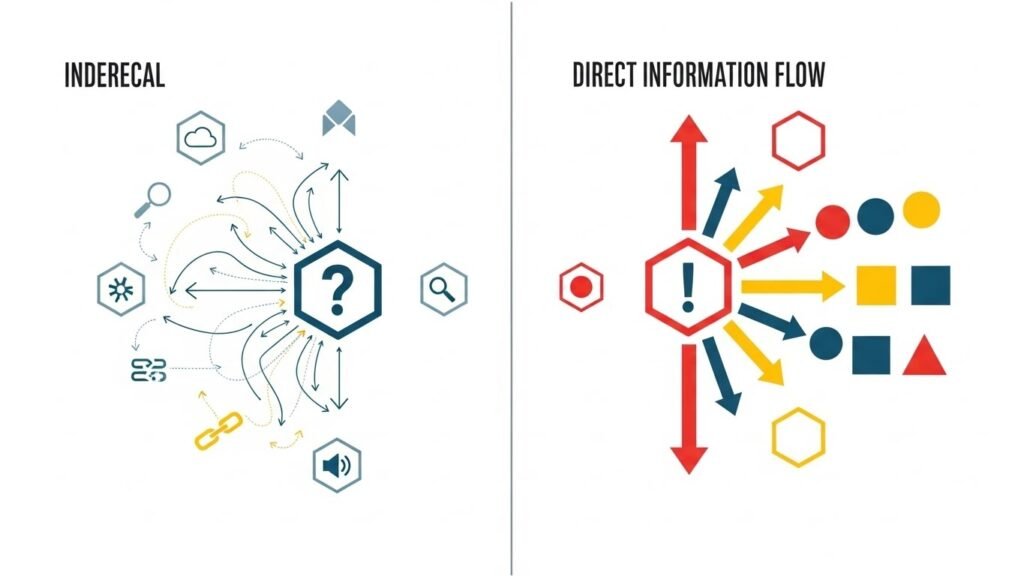
Celebrity influence varies in intentionality. The distinction between passive and active influence reveals different modes of influence operation.
Unintentional Influence Effects
Celebrities may influence audiences without intending to do so. Simple visibility produces influence effects regardless of celebrity intention.
Passive influence occurs through audience observation of celebrity behavior, appearance, or expression. Audiences extract influential content from observation without celebrity direction.
Unintentional influence may constitute the majority of celebrity influence effects. The sheer volume of observation produces extensive passive influence alongside any deliberate influence attempts.
Deliberate Influence Attempts
Celebrities may also intentionally attempt to influence audiences. Deliberate advocacy, explicit recommendation, or purposeful modeling represent active influence attempts.
Active influence involves celebrity awareness of influence goals. The celebrity intends particular effects and shapes behavior to produce them.
Deliberate influence attempts may or may not succeed. Intention does not guarantee effect, and audience resistance may prevent intended influence from operating.
Audience Awareness Variation
Audiences may or may not recognize influence attempts. Awareness of influence effort affects how audiences respond.
Recognized influence attempts may trigger resistance in some audiences. Awareness that influence is being attempted may reduce susceptibility.
Unrecognized influence may operate more effectively precisely because audiences do not engage resistance mechanisms. Influence perceived as unintentional may receive less critical scrutiny.
Responsibility Implications
The passive-active distinction carries implications for influence responsibility. Deliberate influence attempts involve different moral consideration than unintended influence effects.
Passive influence raises questions about influence responsibility for consequences celebrities did not intend. Active influence more clearly involves accountability for influence attempts.
This distinction matters for evaluating celebrity influence ethics. Intentionality affects how responsibility for influence effects should be assigned.
Limits and Boundaries of Celebrity Influence

Celebrity influence operates within limits that constrain its effects. Understanding these boundaries provides realistic assessment of influence scope.
Influence Domain Boundaries
Celebrity influence typically operates more strongly within some domains than others. Relevance between celebrity expertise and influence domain affects influence strength.
Influence attempts outside recognized competence areas may generate resistance or dismissal. Audience perception of celebrity qualification affects receptivity.
Domain boundaries mean celebrity influence is not uniform across all possible influence areas. Some domains remain relatively resistant to celebrity influence regardless of celebrity prominence.
Audience Segment Variation
Different audience segments respond differently to celebrity influence. Susceptibility varies based on audience characteristics, values, and orientations.
Some segments may be highly responsive while others remain largely unaffected. Celebrity influence does not uniformly affect all potential audiences.
Understanding segment variation prevents overestimation of influence effects. Aggregate influence assessment must account for segment response variation.
Competing Influence Sources
Celebrity influence competes with other influence sources. Family, peers, institutions, experts, and other sources also influence audiences.
Competitive influence dynamics may reinforce, counteract, or interact with celebrity influence. Celebrity influence operates within contexts of multiple influence sources.
The strength of competing influences affects celebrity influence effects. Strong alternative influence sources may limit celebrity influence penetration.
Credibility Constraints
Influence depends on credibility that may be damaged or limited. Actions or revelations that undermine credibility correspondingly undermine influence capacity.
Credibility constraints mean influence is not permanent or unconditional. Celebrity standing with audiences may change in ways that affect influence operation.
Credibility boundaries create dynamic influence capacity rather than fixed influence power. Influence potential fluctuates with credibility status.
Public Awareness and Resistance to Influence

Audiences are not passive recipients of celebrity influence. Awareness and resistance affect how influence actually operates.
Critical Awareness
Audiences may possess awareness that celebrities attempt to influence them. This critical awareness affects response to influence attempts.
Awareness does not necessarily prevent influence, but it may modify how influence operates. Conscious processing of influence attempts differs from unconscious susceptibility.
Critical awareness varies across audiences and individuals. Some audiences approach celebrity communication with substantial skepticism while others do not.
Active Resistance
Some audiences actively resist celebrity influence. Deliberate rejection of celebrity positions or contrary behavior represents resistance responses.
Resistance may be motivated by various factors including independence values, skepticism toward celebrity authority, or opposition to perceived manipulation.
Active resistance limits celebrity influence effects within resistant segments. Influence attempts may even produce contrary effects among resistant audiences.
Selective Receptivity
Audiences may be selectively receptive to celebrity influence. Acceptance in some domains or from some celebrities may coexist with rejection in other domains or from other celebrities.
Selective receptivity reflects audience application of criteria for influence acceptance. Audiences make judgments about when celebrity influence warrants response.
Understanding selective receptivity reveals audiences as active participants in influence dynamics rather than passive targets.
Common Misunderstandings About Celebrity Influence

Several misunderstandings distort understanding of celebrity influence. Correcting these supports accurate comprehension.
Uniformity Assumptions
Assumptions that celebrity influence operates uniformly across all audiences oversimplify actual dynamics. Influence effects vary substantially across audience segments.
Uniformity assumptions may lead to overestimation or underestimation of influence in particular segments. Accurate understanding requires segment-specific analysis.
Automatic Effect Assumptions
Assumptions that celebrity visibility automatically produces influence overstate celebrity power. Visibility creates potential for influence without guaranteeing influence effects.
Influence requires audience responsiveness in addition to celebrity visibility. Potential does not equal actual effect.
Unlimited Scope Assumptions
Assumptions that celebrity influence extends without limits across all domains overstate influence reach. Domain boundaries and credibility constraints limit influence scope.
Unlimited scope assumptions may create unrealistic expectations about celebrity influence capacity. Actual influence operates within boundaries.
Passive Audience Assumptions
Assumptions that audiences passively absorb celebrity influence underestimate audience agency. Audiences actively process, filter, resist, and selectively respond to influence attempts.
Passive audience assumptions miss the interactive nature of influence dynamics. Influence outcomes depend on audience response as well as celebrity communication.
Intentionality Conflation
Conflation of intended and unintended influence distorts understanding of influence operation. Much celebrity influence occurs without celebrity intention.
Intentionality conflation may misattribute responsibility for influence effects. Distinguishing passive from active influence supports accurate responsibility assessment.
Conclusion
Celebrity influence describes the capacity of publicly recognized individuals to affect audience attitudes, beliefs, behaviors, and perceptions. This influence operates through psychological, social, and cultural mechanisms that connect visibility to persuasive power.
Influence develops through recognition, attention accumulation, regard development, and relationship perception. These processes build the foundation through which influence flows from celebrities to audiences.
Visibility creates familiarity, implies importance, and suggests authority through psychological mechanisms. These connections translate mere recognition into influence capacity.
Psychological factors including social proof dynamics, identification processes, halo effects, and emotional connection explain audience susceptibility to celebrity influence. These mechanisms operate through established psychological processes.
Cultural and social dimensions of influence include cultural transmission, norm establishment, social discussion focus, and value expression. These dimensions position celebrity influence as a cultural phenomenon.
Temporal variation distinguishes short-term from long-term influence. Immediate effects, sustained shifts, cumulative effects, and developmental influence represent different temporal patterns.
The passive-active distinction reveals different influence modes. Unintentional and deliberate influence involve different mechanisms and raise different responsibility considerations.
Influence limits include domain boundaries, audience segment variation, competing influence sources, and credibility constraints. These boundaries prevent unlimited influence extension.
Audience awareness and resistance affect influence operation. Critical awareness, active resistance, and selective receptivity reveal audiences as active participants rather than passive targets.
Common misunderstandings include uniformity assumptions, automatic effect assumptions, unlimited scope assumptions, passive audience assumptions, and intentionality conflation. Correcting these supports accurate understanding.
Celebrity influence, understood as a social phenomenon connecting public recognition to persuasive capacity, represents a significant force shaping attitudes, behaviors, and cultural patterns within contemporary society through identifiable mechanisms operating within identifiable limits.