
Table of Contents
Celebrities’ impact on society refers to the broad capacity of highly visible public figures to shape collective awareness, social norms, and shared cultural frameworks. This phenomenon emerges from their elevated status within the public consciousness, where their presence influences how groups perceive reality, prioritize attention, and negotiate values. Unlike everyday individuals, celebrities function as focal points for societal reflection, channeling diffuse social currents into observable patterns of response.

At its essence, this impact operates through mechanisms of recognition and projection. Society assigns disproportionate weight to these figures due to their prominence, which amplifies their ability to direct communal focus. The process is reciprocal: public attention elevates the celebrity, while the celebrity, in turn, structures that attention around specific themes or ideas. This dynamic creates a feedback loop that extends beyond the individual to affect group-level cognition and behavior. Over time, repeated exposure embeds celebrity-associated signals into the social fabric, altering expectations and interpretations at scale.
Visibility and Social Attention
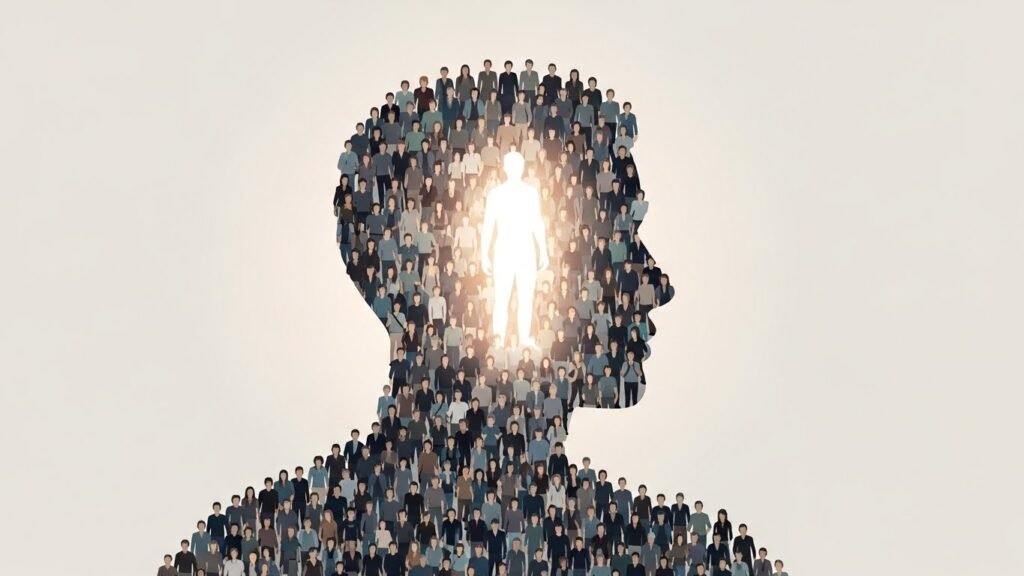
Visibility serves as the foundational element of celebrities’ impact on society. Public figures occupy a disproportionate share of collective attention because their prominence ensures frequent encounters across various media landscapes. This constant exposure creates a scarcity effect in the attention economy, where limited cognitive resources are allocated preferentially to familiar, high-status entities.
Social attention converges on celebrities through a process of collective orientation. When multiple segments of society fixate on the same figure simultaneously, it generates synchronized awareness. This synchronization fosters a sense of shared experience, even among disparate groups. For instance, widespread discussion of a celebrity’s public moment draws individuals into a common conversational space, reinforcing social cohesion through mutual recognition. The result is a heightened state of communal vigilance, where societal focus narrows to the celebrity’s orbit, temporarily eclipsing other priorities.
This mechanism extends to agenda-setting, where celebrities inadvertently dictate the sequence of public discourse. By drawing eyes to particular topics through their visibility, they elevate those issues within the hierarchy of social concerns. Society responds by reallocating interpretive efforts, often mirroring the intensity of the celebrity’s spotlight. Thus, visibility does not merely expose; it organizes the flow of collective perception, determining what enters the societal foreground.
Celebrities as Social Symbols
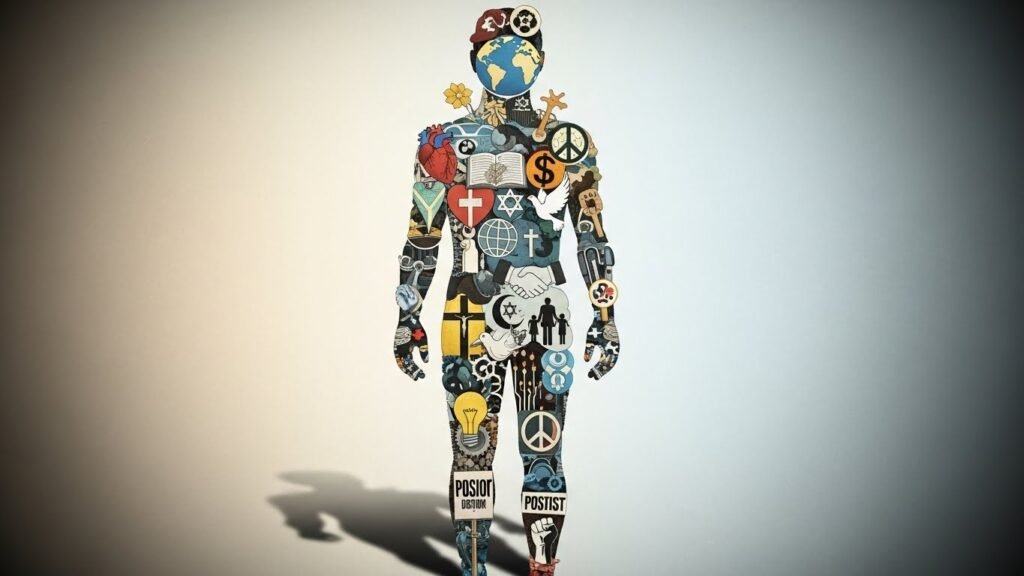
Celebrities function as social symbols, embodying abstract ideals, tensions, or aspirations that resonate across diverse populations. Their symbolic role transcends personal attributes, positioning them as vessels for societal projections. Groups interpret these figures through cultural lenses, attributing meanings that reflect broader collective narratives.
As symbols, celebrities condense complex social dynamics into accessible forms. They represent archetypes—such as the triumphant underdog or the flawless ideal—that audiences adapt to local contexts. This condensation facilitates rapid communication of values, allowing societies to negotiate identity through shorthand references. When a celebrity embodies a contested ideal, public discourse clusters around them, crystallizing debates that might otherwise remain fragmented.
The symbolic power derives from universality paired with ambiguity. A single figure can evoke multiple interpretations, enabling varied groups to claim alignment. This multiplicity amplifies impact, as competing factions engage through the same referent, intensifying societal dialogue. Over time, these symbols embed in cultural memory, serving as enduring touchstones for future generations to revisit and reinterpret.
Influence on Norms, Behavior, and Expectations
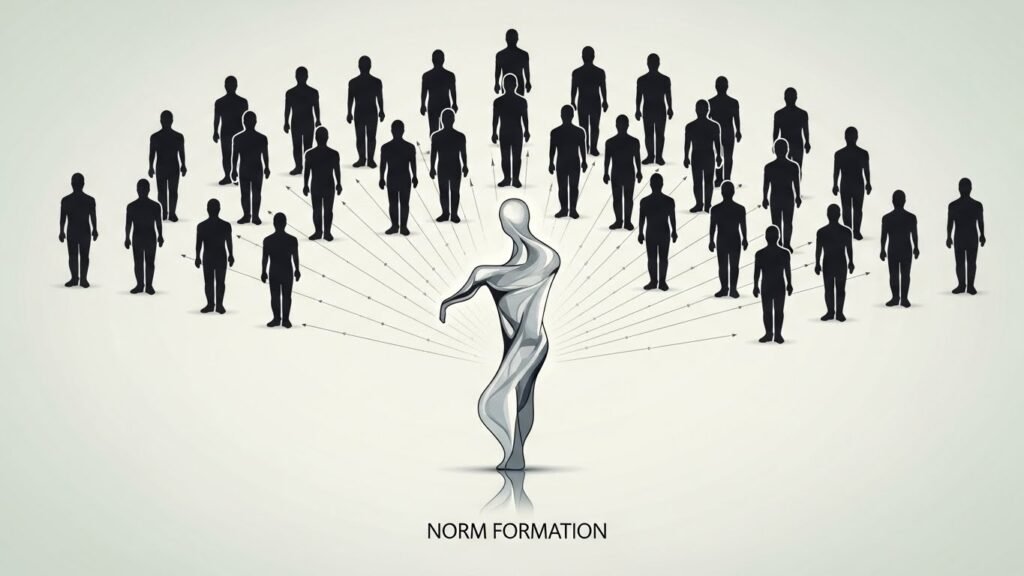
Celebrities exert influence on social norms by modeling behaviors that gain normative traction through mass observation. When public figures engage in visible actions, those behaviors enter the observational repertoire of society, subject to imitation or emulation at scale. This modeling occurs not through explicit instruction but via implicit demonstration, where repetition across contexts normalizes the depicted conduct.
Normative shifts manifest gradually as aggregated individual responses accumulate. Society calibrates expectations based on the frequency and endorsement of celebrity-modeled patterns. For example, a prevalent celebrity-associated demeanor can redefine politeness or ambition within peer groups, as members adjust to perceived standards. This adjustment reinforces the norm, creating a self-perpetuating cycle where deviation appears increasingly anomalous.
Expectations extend to structural levels, where celebrities signal aspirational benchmarks. Collective imagination aligns with these benchmarks, pressuring institutions and individuals to conform. Behavioral cascades follow, as early adopters influence peripherals, propagating changes through social networks. The result is a realignment of baseline assumptions, where what was once peripheral becomes central to social functioning.
Representation and Identity Perception
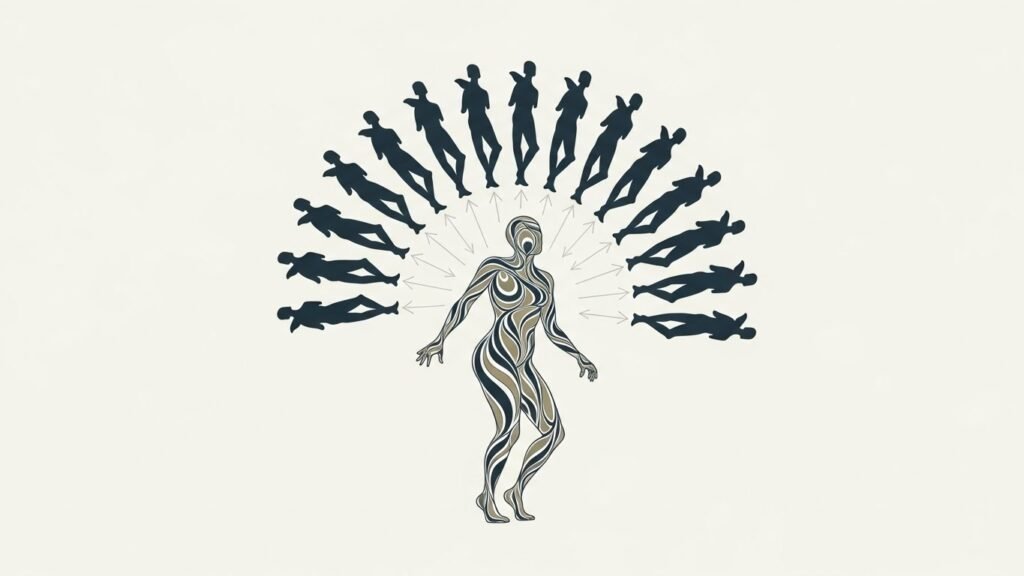
Celebrities shape representation by embodying demographic or experiential categories that influence identity perception. Their prominence in public view provides templates for self-conception, particularly among underrepresented groups seeking affirmation. Through selective visibility, they highlight certain traits or narratives, altering how society categorizes and values identities.
This representational role affects identity formation by offering prototypes for emulation. Individuals draw from celebrity exemplars to construct personal narratives, integrating observed elements into self-definition. At group levels, this fosters solidarity when shared representations validate collective experiences. Conversely, absences or distortions in representation can perpetuate perceptual gaps, reinforcing existing hierarchies.
Perception evolves through comparative processes, where audiences measure personal or group identities against celebrity standards. This comparison generates motivational tensions, prompting societal reevaluation of inclusivity. Over iterations, representational shifts accumulate, broadening the spectrum of recognized identities and challenging entrenched categorizations. The impact lies in the scalability of these prototypes, which disseminate rapidly to influence distal communities.
Media Amplification of Social Impact
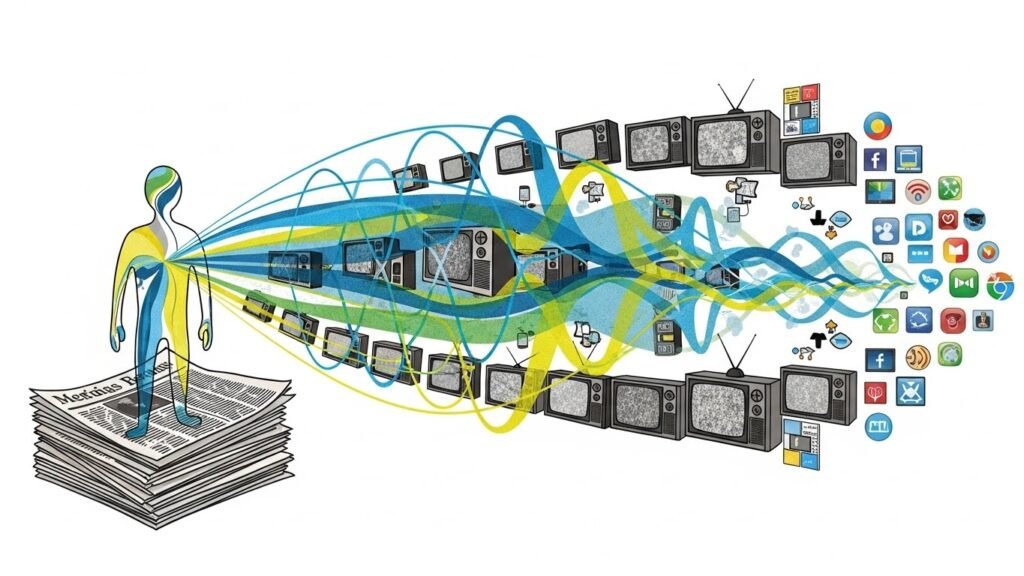
Media amplification magnifies celebrities’ social impact by extending their reach beyond immediate audiences. Traditional and emerging outlets prioritize celebrity content due to its proven draw, creating multiplier effects on visibility and resonance. This amplification transforms individual gestures into societal events, embedding them in public memory.
The process involves curation and repetition, where media selects and reiterates celebrity moments to sustain momentum. Each cycle intensifies exposure, deepening imprint on collective consciousness. Amplification also cross-pollinates contexts, carrying celebrity influence into unrelated domains and broadening its applicability.
Structurally, media acts as a conduit for normative diffusion. By framing celebrity actions within interpretive narratives, it guides societal decoding, steering responses toward convergence. This guided amplification ensures that impacts persist beyond initial exposure, institutionalizing celebrity signals within cultural discourse.
Short-Term Social Effects vs Long-Term Influence
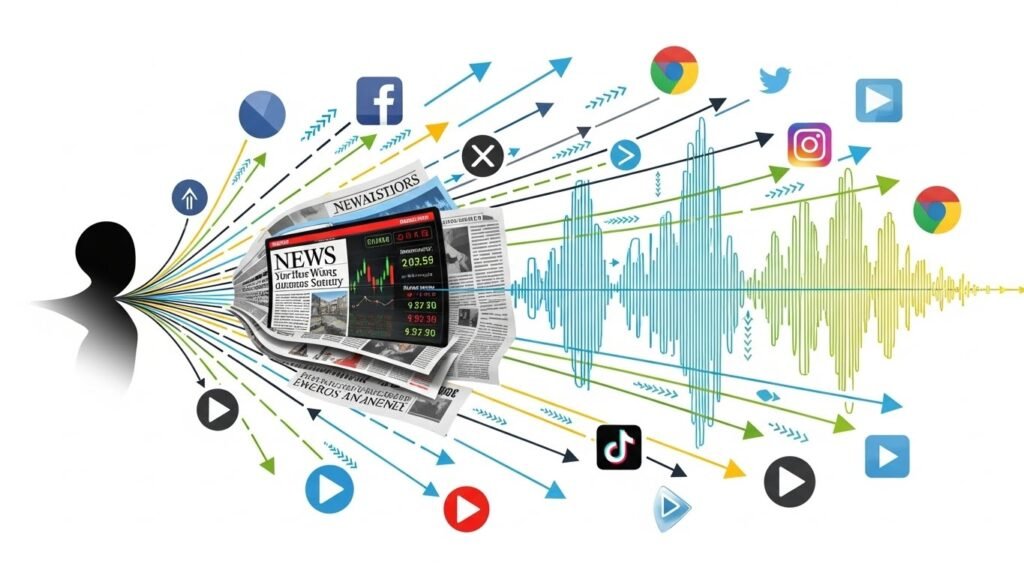
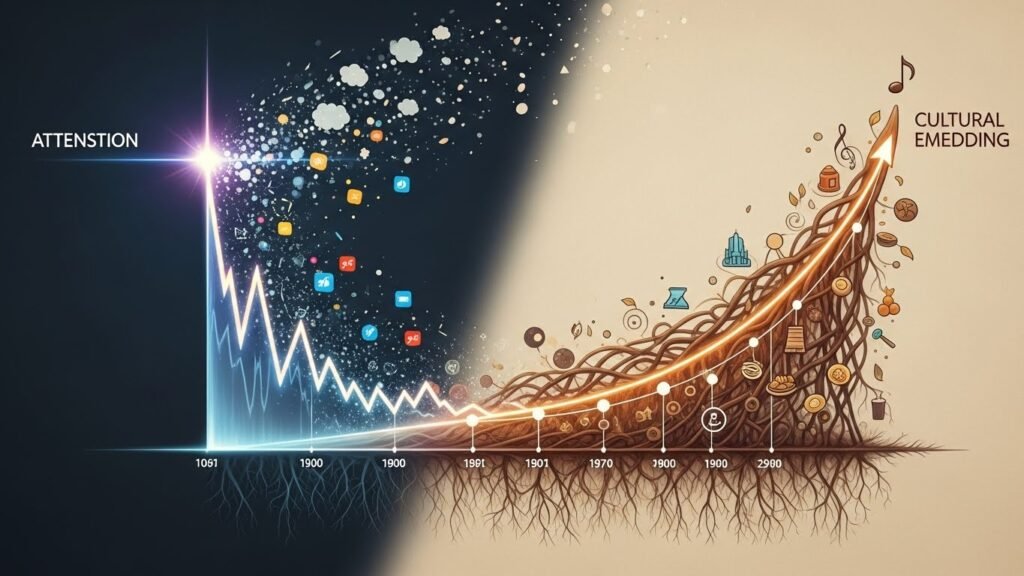
Short-term social effects arise from immediate, event-driven celebrity visibility, generating transient waves of attention and response. These spikes disrupt routine discourse, capturing collective focus for brief periods and prompting reactive behaviors. The intensity derives from novelty, which mobilizes rapid societal processing.
Long-term influence, by contrast, builds through sustained exposure, embedding patterns into enduring social structures. Consistent celebrity presence accumulates symbolic weight, gradually reshaping norms and expectations. This persistence allows for deeper cognitive integration, where influences operate subconsciously over years.
The distinction hinges on duration and depth. Short-term effects excel in mobilization but fade without reinforcement, while long-term influence prioritizes permeation, altering foundational assumptions. Societies experience both, with short-term events often catalyzing long-term trajectories when amplified sufficiently.
Limitations of Celebrity Social Impact
Celebrity social impact encounters limitations rooted in societal diversity and resistance mechanisms. Heterogeneous populations interpret signals variably, diluting uniform effects. Subcultures with distinct values filter or reject celebrity influences, preserving alternative norms.
Saturation imposes another constraint, as pervasive exposure breeds desensitization. Audiences habituate to constant visibility, reducing marginal impact. This fatigue caps the ceiling of influence, particularly for prolific figures.
Backlash dynamics further constrain reach. Overreach triggers counter-reactions, fragmenting support and neutralizing advances. Structural factors, such as institutional inertia, resist rapid shifts, buffering society against wholesale transformation. Collectively, these limits ensure that impacts remain bounded, requiring alignment with existing currents for efficacy.
Public Interpretation and Collective Response
Public interpretation mediates celebrity impact through collective sensemaking processes. Audiences decode signals contextually, layering personal and group biases onto raw inputs. This interpretation generates varied responses, from endorsement to critique, shaping the trajectory of influence.
Collective response amplifies through interpersonal networks, where initial readings propagate and evolve. Consensus emerges when interpretations align, solidifying impacts; divergence fosters contestation, tempering them. Platforms for response—discussions, parodies, homages—further refine meanings, adapting celebrity inputs to societal needs.
The process is dynamic, with feedback loops allowing reinterpretation over time. Early responses set precedents, but evolving contexts prompt revisions, ensuring impacts remain fluid rather than fixed.
Common Misconceptions About Celebrities’ Impact on Society
A prevalent misconception equates visibility with causation, assuming celebrity exposure directly produces societal change. In reality, impacts arise from interpretive chains, not mechanical transmission. Preexisting conditions often drive responses, with celebrities serving as catalysts rather than originators.
Another error views influence as uniformly directional, overlooking bidirectional flows. Society shapes celebrities as much as vice versa, through selective elevation and projection. This reciprocity complicates attributions, rendering impacts emergent rather than imposed.
Finally, assumptions of permanence mischaracterize effects. Most influences dissipate without reinforcement, constrained by forgetting and novelty cycles. Recognizing these nuances clarifies the conditional nature of celebrity social impact.
Conclusion
Celebrities’ impact on society manifests through intertwined mechanisms of visibility, symbolism, and collective interpretation, structuring attention and norms at scale. This phenomenon reveals the interplay between individual prominence and group dynamics, where public figures channel societal energies into focused expressions. While powerful in directing discourse and representation, impacts remain limited by diversity, resistance, and transience, ensuring adaptive rather than deterministic change. Understanding these processes illuminates how societies negotiate prominence within evolving cultural landscapes.