
Table of Contents
Commercial relationships between recognized individuals and companies represent a significant dimension of professional activity in visibility-dependent fields. Celebrity brand endorsements describe formal arrangements through which publicly recognized individuals associate with commercial entities to support product or service promotion.
Understanding celebrity brand endorsements requires examining their structural characteristics, functional purposes, and operational variations. This examination addresses how these arrangements work within professional contexts rather than focusing on individual outcomes or commercial results.
What “Celebrity Brand Endorsements” Mean

Celebrity brand endorsements refer to formal commercial arrangements in which publicly recognized individuals lend their visibility, credibility, or association to support a brand, product, or service. These arrangements create connections between celebrity recognition and commercial entities.
The term encompasses a range of association types united by the common element of celebrity participation in commercial promotion. Endorsements involve celebrities publicly supporting or being associated with commercial offerings in ways intended to influence audience perception.
Endorsements differ from other commercial relationships by their promotional nature. The core function involves leveraging celebrity recognition to support commercial interests through various association mechanisms.
These arrangements operate through formal agreements that specify terms, obligations, and conditions. The professional nature of endorsements distinguishes them from informal recommendations or casual associations that might occur without structured arrangements.
Celebrity brand endorsements function within broader commercial ecosystems. They connect recognition-oriented professional careers with commercial marketing activities, creating intersection points between entertainment, athletics, and commerce.
The concept spans industries and recognition types. Endorsements involve celebrities from entertainment, athletics, and other visibility-dependent fields associating with commercial entities across diverse product and service categories.
Why Brands Use Celebrity Endorsements

Commercial entities engage in celebrity brand endorsements for specific functional purposes. Understanding brand motivations clarifies why these arrangements exist within commercial contexts.
Attention Acquisition
Celebrity association captures audience attention in ways that non-celebrity communication may not. The recognition that accompanies celebrity status creates attention-drawing potential that brands seek to access.
Attention acquisition serves communication purposes. Before commercial messages can influence audiences, they must first reach and engage those audiences. Celebrity involvement supports this initial attention capture.
The attention-acquisition function reflects recognition value in crowded communication environments. Celebrity association provides differentiation that may help commercial messages stand out among competing communications.
Credibility Transfer
Celebrities may possess credibility with audiences that brands seek to borrow through association. When recognized individuals endorse products or services, some portion of their credibility may transfer to the endorsed offering.
Credibility transfer serves persuasion purposes. Audience trust in celebrity endorsers may influence perception of endorsed offerings in ways that other credibility sources might not achieve.
This transfer depends on perceived authenticity and relevance. Credibility transfer functions most effectively when audiences perceive genuine connection between endorser and endorsed offering.
Audience Access
Celebrities provide access to audience segments that follow or pay attention to them. Endorsement arrangements enable brands to reach these audiences through celebrity association.
Audience access serves targeting purposes. Different celebrities connect with different audience segments, enabling brands to reach specific demographic or psychographic groups through appropriate celebrity selection.
This access function leverages existing celebrity-audience relationships. Rather than building audience connection independently, brands access existing connections through endorsement arrangements.
Association Benefits
Beyond specific functional purposes, general association with recognized individuals may benefit brands. The qualities, values, or characteristics associated with celebrities may transfer to associated brands through endorsement relationships.
Association benefits serve positioning purposes. Brands may seek association with celebrities whose perceived characteristics align with desired brand positioning.
These association effects operate through psychological connection. Audience perception of celebrities influences perception of associated brands through associative mechanisms.
Why Celebrities Participate in Brand Endorsements

Celebrity participation in endorsements serves purposes within recognition-oriented careers. Understanding celebrity motivations clarifies endorsement function from the celebrity perspective.
Professional Activity Diversification
Endorsement participation diversifies professional activities beyond primary career work. Celebrity brand endorsements represent a distinct professional activity category that complements primary professional engagement.
Diversification serves career breadth purposes. Participating in endorsements expands the range of professional activities beyond singular focus on primary career work.
This diversification may provide professional engagement during periods between primary activities. Endorsement work offers professional activity that operates on different schedules than primary career commitments.
Recognition Reinforcement
Endorsement visibility may reinforce public recognition. Appearance in endorsement communications maintains visibility with audiences and reinforces celebrity standing.
Recognition reinforcement serves career maintenance purposes. Continued visibility through endorsement appearances supports ongoing public recognition that underlies recognition-dependent careers.
Endorsement exposure reaches audiences through commercial channels that complement exposure through primary professional activities. Different exposure channels may reach different audience segments or reinforce recognition through repetition.
Professional Relationship Development
Endorsement arrangements create professional relationships with commercial entities. These relationships may have value beyond specific endorsement activities.
Professional relationship development serves networking purposes. Connections established through endorsement work may provide access to opportunities, resources, or associations beyond the endorsement itself.
These relationships position celebrities within commercial ecosystems. Established endorsement relationships may lead to additional opportunities within connected commercial contexts.
Alignment Expression
Endorsement participation may express alignment with brands, products, or causes that celebrities genuinely support. Authentic endorsement allows celebrities to publicly associate with offerings they value.
Alignment expression serves identity purposes. Endorsement choices may communicate celebrity values, preferences, or priorities to audiences.
This expressive function works when genuine alignment exists. Authentic endorsement differs from purely transactional association by reflecting actual celebrity preferences or beliefs.
Types of Celebrity Brand Endorsements

Celebrity brand endorsements take various forms with distinct structural characteristics. Categorizing endorsement types reveals the range of arrangements within this domain.
Traditional Advertising Endorsements
Appearance in advertising materials represents a conventional endorsement type. Celebrities appear in commercials, print advertisements, or digital advertising content promoting endorsed offerings.
Traditional advertising endorsements involve direct promotional participation. The celebrity explicitly appears in advertising contexts associated with the brand.
These endorsements typically involve scripted content and produced materials. Professional production creates advertising content featuring celebrity participation.
Product Integration Endorsements
Integration of products or services into celebrity professional activities constitutes another endorsement type. Products appear within content, performances, or activities associated with the celebrity.
Product integration endorsements involve contextual placement rather than explicit advertising. The endorsement occurs through presence within celebrity-associated content.
These endorsements may appear more organic than traditional advertising. The integrated format differs from explicit promotional messaging.
Social Media Endorsements
Endorsement through celebrity social media platforms represents a distinct type. Celebrities post content featuring or promoting endorsed offerings through their personal digital channels.
Social media endorsements utilize direct celebrity-audience communication channels. The endorsement reaches audiences through platforms the celebrity controls or manages.
These endorsements may blend promotional content with personal content. The format differs from traditional advertising by operating within personal communication contexts.
Event and Appearance Endorsements
Celebrity presence at events or locations associated with brands constitutes appearance-based endorsement. Physical presence creates association without necessarily requiring explicit promotional statements.
Event endorsements involve presence rather than message delivery. The endorsement functions through association created by attendance or appearance.
These endorsements leverage the attention-drawing function of celebrity presence. Events benefit from celebrity attendance through increased attention and attendance.
Ambassador Arrangements
Ongoing representative relationships designate celebrities as brand ambassadors. Ambassador arrangements involve sustained association and representation over extended periods.
Ambassador endorsements differ from campaign-specific participation by their ongoing nature. The relationship continues across multiple activities and time periods.
These arrangements typically involve deeper integration between celebrity and brand. Ambassador status implies more comprehensive association than single-campaign participation.
Short-Term Campaigns Versus Long-Term Endorsement Deals

Temporal scope distinguishes different endorsement arrangement structures. Duration characteristics significantly affect how endorsements function.
Campaign-Specific Arrangements
Some endorsements cover defined campaign periods with specified durations. These arrangements involve participation in specific promotional campaigns with beginning and end dates.
Campaign-specific arrangements have bounded commitment. Participation ends when campaign duration concludes, with no obligation for continuation.
These arrangements suit situations requiring limited commitment or testing potential longer relationships. The bounded nature limits exposure while also limiting relationship development.
Extended Relationship Arrangements
Other endorsements establish ongoing relationships over extended periods. Multi-year arrangements or renewable contracts create sustained celebrity-brand associations.
Extended arrangements involve deeper commitment from both parties. The sustained relationship requires ongoing attention and maintenance.
These arrangements develop over time. Extended duration allows relationship deepening and more comprehensive integration.
Renewal and Extension Structures
Arrangements may include provisions for renewal or extension. Initial terms may lead to continued relationships based on mutual satisfaction.
Renewal structures create temporal flexibility. Relationships may continue or conclude based on evaluation at renewal points.
Extension provisions enable relationship evolution. Initial arrangements may expand in scope or duration through extension mechanisms.
Endorsements Versus Sponsorships Versus Partnerships
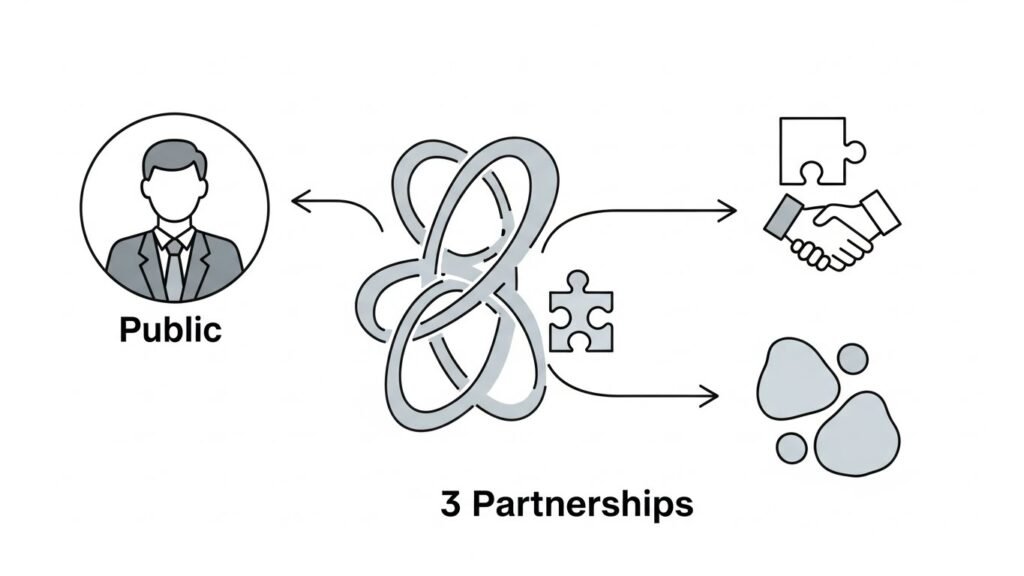
Related but distinct arrangement types warrant differentiation. Celebrity brand endorsements share characteristics with sponsorships and partnerships while remaining conceptually distinct.
Endorsement Characteristics
Endorsements primarily involve celebrities supporting brands through association and promotion. The celebrity provides recognition and credibility while the brand receives associational benefits.
The endorsement relationship centers on promotional function. Celebrity participation serves brand communication and promotional purposes.
Endorsements typically involve the celebrity in a promotional role. The primary function involves lending recognition to support brand objectives.
Sponsorship Characteristics
Sponsorships primarily involve brands supporting celebrity activities through resource provision. The brand provides resources while receiving association and visibility through the supported activity.
Sponsorship relationships center on support function. Brand participation enables or enhances celebrity activities.
Sponsorships typically involve the brand in a supporting role. The primary function involves providing resources that support celebrity activities.
Partnership Characteristics
Partnerships involve more balanced relationships where both parties contribute substantively. Joint ventures, collaborative projects, or shared enterprises represent partnership arrangements.
Partnership relationships center on collaborative function. Both parties contribute to shared activities or enterprises.
Partnerships typically involve more equal positioning than endorsements or sponsorships. The relationship structure reflects mutual contribution rather than one-directional support.
Relationship Overlap
These categories may overlap in practice. Some arrangements combine endorsement, sponsorship, and partnership elements within single relationships.
The distinctions serve analytical rather than absolute purposes. Understanding the different relationship types clarifies arrangement characteristics without requiring rigid categorization.
Hybrid arrangements may be described using multiple terms. Complex relationships may exhibit characteristics of multiple arrangement types simultaneously.
Levels of Celebrity Involvement in Endorsements
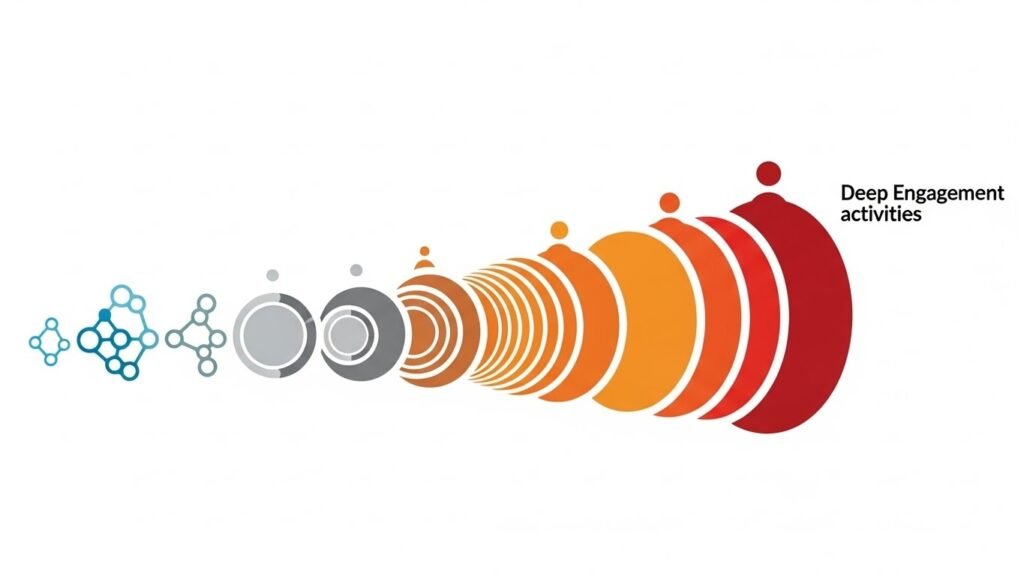
Celebrity brand endorsements involve varying levels of celebrity participation. Involvement depth significantly affects endorsement characteristics.
Minimal Involvement Endorsements
Some endorsements require only limited celebrity participation. Image licensing, brief appearances, or limited content creation represent minimal involvement arrangements.
Minimal involvement endorsements require less time and attention from celebrities. The limited participation reduces demands on celebrity resources.
These arrangements may involve significant creative control by brands. Limited celebrity involvement means brands handle most content development.
Moderate Involvement Endorsements
Other endorsements involve more substantial celebrity participation. Extended content creation, multiple appearances, or ongoing promotional activities represent moderate involvement.
Moderate involvement endorsements balance participation demands with efficiency. Celebrities contribute meaningfully while managing time requirements.
These arrangements typically involve collaborative content development. Both celebrity and brand contribute to endorsement execution.
Deep Involvement Endorsements
Some endorsements require extensive celebrity participation approaching ownership-level engagement. Creative direction, product development input, or comprehensive promotional programs represent deep involvement.
Deep involvement endorsements demand substantial celebrity attention and contribution. The extensive participation creates significant time and effort requirements.
These arrangements may blur boundaries between endorsement and other relationship types. Deep involvement may resemble partnership or ownership structures.
Involvement Appropriateness
Different involvement levels suit different circumstances. Matching involvement depth to relationship objectives and practical constraints affects arrangement success.
No single involvement level represents optimal structure. Appropriate involvement depends on specific arrangement characteristics and participant preferences.
Involvement levels may evolve within relationships. Initial arrangements at one involvement level may transition to different levels as relationships develop.
Risks and Limitations of Celebrity Brand Endorsements

Celebrity brand endorsements involve risks and limitations affecting both parties. Recognition of these factors provides balanced understanding.
Authenticity Risks
Perceived lack of authenticity may undermine endorsement effectiveness. Audiences who doubt genuine celebrity connection to endorsed offerings may respond negatively to endorsement communications.
Authenticity risks increase when endorsement fit appears poor. Incongruous celebrity-brand pairings may trigger skepticism about endorsement genuineness.
Managing authenticity perception requires attention to fit and presentation. Endorsement credibility depends on audience perception of authentic connection.
Reputation Interdependence
Endorsement creates reputation connections between celebrities and brands. Problems affecting either party may influence perception of the other.
Reputation risks flow in both directions. Celebrity problems may affect associated brands while brand problems may affect associated celebrities.
This interdependence creates vulnerability for both parties. Association benefits come with association risks that require management.
Consistency Requirements
Endorsement relationships require consistency between celebrity conduct and brand positioning. Inconsistent behavior may create tension or damage endorsement credibility.
Consistency requirements limit celebrity flexibility. Endorsement obligations may constrain behavior or public positions in ways that would not apply without the relationship.
Managing consistency requires ongoing attention. Endorsement relationships create continuing obligations that persist throughout arrangement duration.
Market Limitations
Endorsement effectiveness has limits. Celebrity association does not guarantee positive audience response or commercial results.
Market limitations reflect audience response complexity. Many factors beyond celebrity involvement influence how audiences respond to endorsed offerings.
Understanding endorsement limitations prevents unrealistic expectations. Celebrity brand endorsements provide potential benefits but do not ensure outcomes.
Public Perception and Endorsement Credibility

Audience perception significantly affects endorsement function. How audiences interpret and respond to celebrity brand endorsements influences their effectiveness.
Skepticism Factors
Audiences may approach celebrity endorsements with skepticism. Awareness that endorsement arrangements are compensated professional relationships may reduce persuasive impact.
Skepticism varies across audiences and contexts. Different audience segments bring different levels of endorsement skepticism.
Managing skepticism requires attention to presentation and authenticity signals. Endorsement execution affects how skeptically audiences respond.
Credibility Determinants
Multiple factors influence endorsement credibility perception. Celebrity-brand fit, perceived expertise, authenticity signals, and endorsement frequency all affect credibility.
Credibility determinants interact in complex ways. No single factor determines credibility independently.
Understanding credibility determinants informs endorsement design. Attention to credibility-affecting factors supports endorsement effectiveness.
Audience Variation
Different audiences respond differently to celebrity endorsements. Demographic, psychographic, and attitudinal factors influence endorsement response.
Audience variation means endorsements function differently across segments. What resonates with some audiences may not resonate with others.
Recognizing audience variation provides realistic understanding. Celebrity brand endorsements do not affect all audiences uniformly.
Common Misconceptions About Celebrity Brand Endorsements

Several misconceptions affect understanding of celebrity brand endorsements. Addressing these supports accurate comprehension.
Automatic Effectiveness Assumptions
Assumptions that celebrity endorsements automatically produce positive results overstate endorsement power. Endorsement outcomes depend on numerous factors beyond celebrity involvement.
Automatic effectiveness assumptions ignore execution and context factors. How endorsements are structured and presented affects outcomes.
Understanding endorsement limitations corrects effectiveness overestimation. Celebrity association provides potential benefits without guaranteeing results.
Simplicity Assumptions
Assumptions that endorsements are simple arrangements underestimate their complexity. Negotiation, legal documentation, creative development, and execution involve substantial detail.
Simplicity assumptions may undervalue professional management involvement. Endorsement arrangements typically require specialized expertise to structure and execute.
Recognizing endorsement complexity provides accurate understanding. These arrangements involve more sophisticated structures than casual observation might suggest.
Celebrity Control Assumptions
Assumptions that celebrities fully control endorsement content overstate celebrity authority. Brands typically retain significant control over endorsement materials and messaging.
Control distribution varies across arrangements. Different endorsements involve different balances of celebrity and brand control.
Understanding control dynamics clarifies endorsement function. Neither party typically exercises complete control over endorsement execution.
Authenticity Dismissal
Dismissal of all endorsements as inauthentic oversimplifies celebrity motivation. Some endorsements reflect genuine celebrity preference or belief despite commercial arrangement structure.
Authenticity dismissal ignores cases of genuine alignment. Commercial arrangement structure does not preclude authentic celebrity connection to endorsed offerings.
Balanced understanding recognizes both transactional and authentic endorsement possibilities. The range of celebrity motivations includes both commercial and genuine preference factors.
Conclusion
Celebrity brand endorsements represent formal commercial arrangements connecting publicly recognized individuals with commercial entities for promotional purposes. These arrangements serve functional purposes for both brands and celebrities within professional contexts.
Brands use endorsements for attention acquisition, credibility transfer, audience access, and association benefits. These functions explain brand motivation for engaging celebrity endorsers.
Celebrities participate in endorsements for professional diversification, recognition reinforcement, relationship development, and alignment expression. These purposes explain celebrity motivation for endorsement participation.
Endorsement types include traditional advertising, product integration, social media, event and appearance, and ambassador arrangements. This variety reflects the range of structural forms endorsements may take.
Temporal scope ranges from campaign-specific to extended relationship arrangements. Duration characteristics significantly affect how endorsements function and develop.
Endorsements differ from sponsorships and partnerships while potentially overlapping with these related arrangement types. Understanding distinctions clarifies arrangement characteristics.
Involvement levels range from minimal to deep participation. Appropriate involvement depends on specific arrangement characteristics and participant preferences.
Risks and limitations include authenticity concerns, reputation interdependence, consistency requirements, and market limitations. These factors require management within endorsement relationships.
Public perception and credibility significantly affect endorsement function. Audience skepticism, credibility determinants, and audience variation influence endorsement response.
Common misconceptions include automatic effectiveness assumptions, simplicity assumptions, celebrity control assumptions, and authenticity dismissal. Addressing these supports accurate understanding.
Celebrity brand endorsements, understood as structured commercial associations between recognized individuals and brands, represent a significant professional activity category within recognition-oriented careers that operates according to identifiable structural patterns and serves specific functional purposes.