
Table of Contents
Professional activity in public-facing industries generates income through specific mechanisms and channels. Understanding how celebrities make money requires examining the structural income systems that operate within recognition-oriented fields rather than focusing on individual financial outcomes.
The question of how celebrities make money addresses income generation as a professional process. This involves identifying the channels through which earnings flow and understanding how industry structures create compensation opportunities for those operating within visibility-dependent professions.
What “How Celebrities Make Money” Means

How celebrities make money refers to the income-generating mechanisms available to individuals working in recognition-based professional fields. This concept addresses the structural pathways through which compensation flows to those engaged in public-facing professional activities.
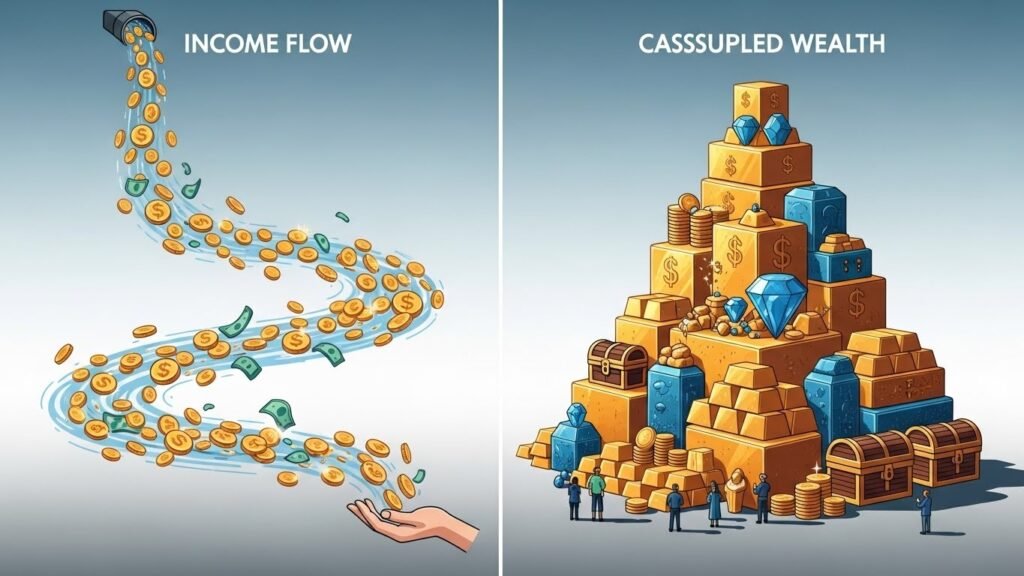
The question concerns income generation rather than wealth accumulation. Income represents the earnings derived from professional activities, distinct from the total financial position that results from how income is used over time.
Understanding how celebrities make money requires examining industry structures that create earning opportunities. Different professional contexts offer different income channels, and recognition-oriented industries feature specific compensation mechanisms that may not appear in other professional fields.
The concept applies across entertainment, athletics, and other fields where public visibility accompanies professional activity. While specific channels vary by industry, common structural patterns characterize how income flows to publicly recognized professionals.
Income generation in these fields involves both direct compensation for professional services and derivative income opportunities that arise from recognition itself. The visibility that accompanies professional activity in these industries creates income channels beyond direct service compensation.
Income Versus Wealth: A Structural Distinction

Income and wealth represent distinct financial concepts that require differentiation when examining how celebrities make money. Understanding this distinction clarifies what income generation actually involves.
Income as Earnings Flow
Income represents compensation received for professional activities during defined periods. Earnings flow to individuals as payment for services rendered, rights granted, or value provided to paying parties.
Income occurs as transactions that transfer value from payers to recipients. These transactions happen continuously as professional activities generate compensation. Income measures ongoing financial inflows rather than accumulated position.
The question of how celebrities make money primarily concerns income generation. It addresses where earnings come from and through what mechanisms compensation flows to recognized professionals.
Wealth as Accumulated Position
Wealth represents the total financial position resulting from income, spending, saving, and investment over time. While income provides the inflows that may build wealth, income and wealth remain distinct measures.
Wealth accumulation depends on what happens to income after it is received. Income that is spent does not contribute to wealth regardless of its magnitude. Only income that is saved and invested builds accumulated financial position.
How celebrities make money addresses income generation specifically. The separate question of wealth accumulation involves different considerations about how income is used after receipt.
Relationship Between Concepts
Income generation and wealth accumulation relate to each other but involve different processes. Understanding how celebrities make money illuminates income sources without addressing what happens to income after receipt.
High income does not automatically produce wealth. The relationship between earning and accumulating depends on financial behavior beyond income generation itself. This distinction keeps income channel analysis separate from wealth considerations.
Examining how celebrities make money focuses on the earning side of financial activity. The accumulation side involves different processes that operate after income is received.
Primary Professional Income Channels
Recognition-oriented industries feature specific income channels that provide compensation to those engaged in professional activities. These primary channels represent the core sources of professional earnings.
Direct Professional Compensation
The most fundamental income channel involves direct payment for professional services. Compensation for the primary professional activities that constitute the individual’s core work represents baseline income.
Direct professional compensation includes payment for performances, appearances, productions, competitions, or other primary professional activities. This compensation flows from those purchasing professional services to those providing them.
The structure of direct compensation varies by industry and activity type. Different professional contexts feature different payment arrangements, timing patterns, and compensation structures for primary professional activities.
Representation and Intermediary Arrangements
Professional representation arrangements affect how direct compensation flows. Agents, managers, and other intermediaries typically receive portions of professional compensation as payment for their services.
These arrangements reduce the net compensation individuals receive from gross professional earnings. Standard industry arrangements establish percentage allocations between professionals and their representatives.
Understanding how celebrities make money includes recognizing that gross earnings differ from net receipts. Intermediary arrangements create standard deductions from professional compensation that affect actual income received.
Specialized Professional Services
Beyond core professional activities, specialized services may generate separate income channels. Consulting, advising, teaching, or providing expertise in specialized areas can create additional income streams.
These specialized services leverage professional expertise for compensation beyond primary activities. The knowledge, skills, and experience developed through primary professional work may have value in separate service contexts.
Specialized service income represents derivative earning from professional capability. It extends income generation beyond direct primary activity compensation.
Performance-Based Earnings

Performance-based income constitutes a significant earning channel in recognition-oriented industries. This income ties directly to professional performance activities.
Live Performance Compensation
Live performances before audiences generate compensation for performers. Concerts, shows, games, matches, and other live professional activities create earning opportunities tied to performance events.
Compensation for live performances may derive from ticket revenue, appearance fees, or other payment structures. The specific arrangement varies by context but involves payment connected to live professional activity.
Live performance income typically relates to audience capacity, ticket pricing, and revenue sharing arrangements. The economics of live performance create income structures tied to attendance and pricing.
Recorded Performance Compensation
Performances captured for distribution generate income through different mechanisms than live performance. Recorded performances create assets that may generate ongoing or one-time compensation.
Initial compensation for recorded performance may involve direct payment for services rendered. This upfront compensation pays for the recording activity itself regardless of subsequent commercial performance.
Ongoing compensation from recorded performances may derive from royalty arrangements, residual payments, or other structures that provide continuing income from distributed recordings.
Performance Quality Considerations
Performance outcomes may affect compensation in some professional contexts. Variable compensation tied to performance results creates income variation based on professional outcomes.
Bonus structures, success-based compensation, and performance incentives tie income to results beyond basic professional engagement. These arrangements create income variability based on outcome measures.
Performance-based earning structures align compensation with results in ways that fixed payment arrangements do not. This alignment creates income uncertainty alongside potential for enhanced earnings based on strong performance.
Contractual and Project-Based Income
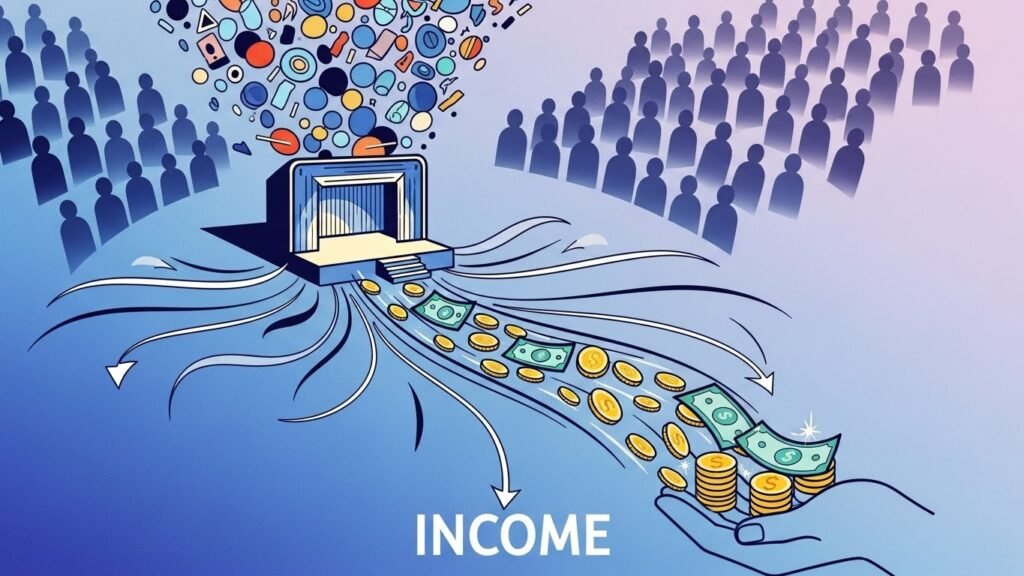
Contractual arrangements establish income terms for defined professional engagements. Understanding how celebrities make money requires examining how contracts structure compensation.
Project Engagement Compensation
Specific projects create defined income opportunities through contractual arrangements. Productions, seasons, tours, and other bounded professional activities involve negotiated compensation terms.
Project compensation may include fixed payments, variable components, or combinations of both. The specific structure depends on negotiation between parties and industry norms for particular engagement types.
Project-based income creates discrete earning opportunities tied to specific professional activities. Between projects, this income channel produces no earnings, creating income patterns tied to project engagement.
Contractual Term Structures
Contract duration affects income timing and security. Longer-term contracts provide income security over extended periods while shorter arrangements create more frequent renegotiation opportunities.
Multi-year arrangements establish income terms across extended timeframes. These contracts provide stability but may limit flexibility to adjust terms as circumstances change.
Contract term structures reflect tradeoffs between security and flexibility. Longer terms provide greater income certainty while shorter terms allow more frequent market-based renegotiation.
Negotiated Compensation Elements
Contract negotiation determines compensation terms within market parameters. Negotiated elements may include base compensation, bonuses, profit participation, and various additional provisions.
Negotiation leverage affects compensation outcomes within market ranges. Professional standing, demand for services, and representation effectiveness all influence negotiated terms.
Contractual compensation reflects negotiation outcomes within industry contexts. Understanding how celebrities make money involves recognizing that individual contracts vary within industry frameworks based on negotiation dynamics.
Media, Appearance, and Licensing Income

Recognition itself creates income opportunities beyond direct professional service provision. Visibility generates earning channels that derive from public recognition rather than primary professional activities.
Media Appearance Compensation
Appearances in media contexts generate income through payment for visibility. Interview appearances, guest spots, and media participation create compensation opportunities tied to presence rather than primary professional service.
Media appearance compensation reflects the value that recognized individuals bring to media properties. Audience interest in recognized figures creates value that generates compensation for participation.
This income channel derives from recognition rather than primary professional capability. The visibility that accompanies professional activity in recognition-oriented fields creates this derivative earning opportunity.
Commercial Association Income
Commercial entities pay for association with recognized individuals. This commercial association creates income through endorsement arrangements, sponsorship relationships, and similar structures.
Association income derives from the value that recognition brings to commercial relationships. Companies compensate for the attention, credibility, or appeal that association with recognized individuals provides.
Commercial association income represents a significant channel in how celebrities make money. The economic value of recognition creates earning opportunities separate from primary professional activities.
Intellectual Property and Licensing
Rights to use names, likenesses, or associated intellectual property generate licensing income. These rights have value that creates compensation when licensed to others.
Licensing arrangements provide compensation for granting usage rights without transferring ownership. The underlying intellectual property remains owned while usage rights generate income.
Licensing income may derive from merchandise, media usage, or various commercial applications. The range of potential licensing applications creates diverse income opportunities from intellectual property rights.
Ongoing Versus One-Time Income Streams

Income channels differ in their temporal characteristics. Some generate single payments while others provide continuing income over time. Understanding how celebrities make money requires recognizing these temporal distinctions.
Single Transaction Income
Many income-generating activities produce one-time payments. Performance of specific services, sale of specific rights, or completion of defined projects may generate single payment transactions.
One-time income creates discrete earning events rather than continuing streams. These transactions complete when payment occurs, with no ongoing income following the initial transaction.
Single transaction income requires continuous new activity to maintain earnings. Without new transactions, this income type produces no continuing compensation.
Recurring Income Arrangements
Some income channels provide continuing payments over time. Royalties, residuals, and similar arrangements generate ongoing income from past activities or established relationships.
Recurring income continues flowing based on terms of underlying arrangements. Once established, these income streams may continue without additional professional activity.
The distinction between ongoing and one-time income affects income stability and predictability. Recurring income provides continuing compensation while one-time income requires continuous new activity.
Passive and Active Income Dimensions
Income channels vary in how much ongoing activity they require. Some income flows automatically from established arrangements while other income requires active professional engagement.
More passive income channels continue generating compensation based on established rights or relationships. More active channels require ongoing professional work to generate earnings.
The active-passive dimension affects how income generation relates to professional activity levels. Understanding how celebrities make money includes recognizing this variation in activity requirements across income channels.
How Industry Structures Shape Earnings
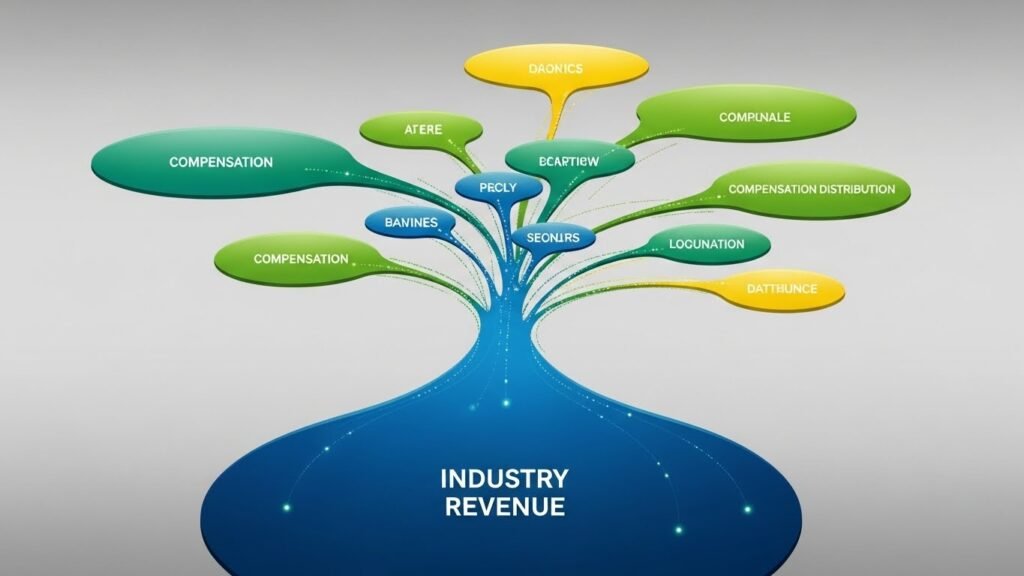
Industry structures significantly influence income generation opportunities. The characteristics of different recognition-oriented industries create different earning landscapes.
Revenue Pool Sizes
Different industries involve different total revenue pools from which professional compensation derives. Industries with larger revenue bases offer potentially larger compensation opportunities.
Revenue pools derive from consumer spending, advertising, sponsorship, and other sources that flow into industries. The total available revenue constrains maximum possible professional compensation.
Industry revenue characteristics affect earning opportunities for those working within particular fields. How celebrities make money depends partly on the economic scale of their professional industries.
Compensation Distribution Structures
Industries distribute revenue to professionals through different structures. The arrangements through which money flows from industry revenue to individual compensation vary across contexts.
Some industries feature more concentrated compensation distribution while others distribute more broadly. The concentration of earnings affects how much flows to different positions within professional hierarchies.
Distribution structures significantly affect individual income even within similar industry revenue environments. How earnings are allocated affects what individuals receive regardless of total available revenue.
Market and Competitive Dynamics
Competitive conditions within industries affect compensation levels. Supply and demand for professional services influences what compensation markets will bear.
Scarcity of particular capabilities or recognition levels affects compensation potential. When demand exceeds supply for specific professional attributes, compensation tends to increase.
Market dynamics create variation in earning potential across different positions within industries. How celebrities make money reflects competitive positioning within professional markets.
Why Celebrity Income Is Often Misunderstood

Public perception of celebrity income frequently diverges from actual income generation structures. Several factors contribute to this misunderstanding.
Visibility Bias
The most visible income channels may not represent the most significant earning sources. Highly publicized arrangements may receive attention disproportionate to their actual income contribution.
Less visible income channels may contribute substantially to total earnings without receiving public attention. The visibility of different income sources does not correlate with their relative significance.
Understanding how celebrities make money requires looking beyond the most visible arrangements to examine the full range of income channels that may contribute to professional earnings.
Gross Versus Net Confusion
Public discussion often references gross figures without accounting for deductions. Representation fees, taxes, professional expenses, and other deductions reduce gross earnings to net income.
The difference between gross and net can be substantial. Reported figures that represent gross amounts significantly overstate actual income received.
Understanding how celebrities make money appropriately requires recognizing that reported gross figures do not represent actual net income.
Consistency Assumptions
Assumptions that income remains consistent over time may misrepresent actual income patterns. Professional earnings in recognition-oriented fields often vary substantially across different periods.
Peak earning periods may differ dramatically from typical earning levels. High earnings during particular engagements do not necessarily indicate sustained income at those levels.
Income variability characterizes many recognition-oriented professional contexts. How celebrities make money involves earning patterns that may fluctuate considerably rather than remaining stable.
Channel Complexity
The multiplicity of potential income channels creates complexity that simple descriptions may obscure. Total earnings may derive from numerous sources operating simultaneously.
This complexity means that no single income channel fully explains how celebrities make money. Comprehensive understanding requires examining the range of channels that may contribute to total professional earnings.
Simplified accounts that emphasize single income sources may misrepresent actual income composition. Accurate understanding requires recognizing multi-channel income generation.
Conclusion

How celebrities make money involves multiple income channels operating within recognition-oriented industry structures. Understanding income generation requires examining the mechanisms through which earnings flow to those engaged in public-facing professional activities.
Income differs fundamentally from wealth. Income represents earnings from professional activities while wealth represents accumulated financial position. How celebrities make money addresses income generation specifically rather than wealth accumulation.
Primary professional income channels include direct professional compensation, representation arrangements, and specialized service provision. These channels provide earnings connected to professional service delivery.
Performance-based earnings tie compensation to professional performance activities. Live and recorded performances generate income through different mechanisms with different temporal characteristics.
Contractual and project-based income structures define compensation terms for specific professional engagements. Negotiation within market parameters determines actual compensation within these arrangements.
Media, appearance, and licensing income derive from recognition itself rather than primary professional services. These channels represent derivative earning opportunities created by public visibility.
Ongoing and one-time income streams differ in temporal characteristics. Some channels provide continuing income while others generate single transaction payments requiring continuous new activity.
Industry structures shape earning opportunities through revenue pool sizes, compensation distribution structures, and market dynamics. How celebrities make money reflects the industry contexts within which professional activity occurs.
Public understanding of celebrity income often diverges from actual income generation structures due to visibility bias, gross versus net confusion, consistency assumptions, and channel complexity. Accurate understanding requires examining income generation mechanisms beyond simplified public narratives.
How celebrities make money, properly understood, involves complex multi-channel income generation within specific industry structures. This understanding illuminates professional earning without addressing the separate question of what happens to income after receipt