
Table of Contents
Professional activity in visibility-dependent industries generates revenue through various distinct channels. The income sources of celebrities represent categorizable streams of earnings that flow to individuals operating within recognition-oriented professional contexts.
Understanding the income sources of celebrities requires systematic classification of the revenue types available within these professional fields. Different source categories exhibit different characteristics, timing patterns, and structural features that distinguish them from one another.
What “Income Sources of Celebrities” Means

Income sources of celebrities refers to the categorized channels through which earnings flow to individuals working in public-facing professional industries. This concept addresses the classification of revenue types rather than specific earning amounts or individual cases.
The term encompasses the range of income category types that exist within recognition-oriented professions. Different categories represent distinct earning mechanisms with unique characteristics that warrant separate classification.
Understanding income sources of celebrities involves identifying and distinguishing between different revenue categories. This classification provides a framework for comprehending how earnings are structured within these professional contexts.
Income sources represent the origins from which compensation derives. Categorizing these sources reveals the diversity of revenue types available to those operating in visibility-dependent professional fields.
The concept applies across entertainment, athletics, and related industries where public recognition accompanies professional activity. While specific source availability varies by field and individual circumstance, categorical frameworks apply broadly across recognition-oriented professions.
Classification of income sources of celebrities provides structural understanding without requiring knowledge of specific amounts or individual applications. The categorical framework illuminates source types independent of magnitude considerations.
Earned Income Versus Residual Income

A fundamental distinction in categorizing income sources of celebrities separates earned income from residual income. These broad categories exhibit different characteristics that warrant differentiation.
Earned Income Characteristics
Earned income derives directly from active professional engagement. This income type requires ongoing professional activity to generate compensation. When active engagement ceases, earned income from that engagement stops.
The connection between activity and compensation is direct in earned income. Professional work produces payment in a linked transaction where services rendered generate corresponding compensation.
Earned income requires continuous professional activity to maintain earnings flow. This income type depends on ongoing capacity and willingness to engage in compensated professional work.
Residual Income Characteristics
Residual income continues flowing after the initial generating activity concludes. This income type derives from rights, assets, or arrangements that produce ongoing compensation without requiring continuous new activity.
The relationship between activity and compensation is indirect in residual income. Initial activity establishes arrangements or creates assets that subsequently generate continuing compensation.
Residual income may continue independently of ongoing professional activity levels. Once established, these income sources may produce earnings regardless of current engagement in new professional work.
Relationship Between Categories
Earned and residual income often relate through professional activity. Earned income from creating assets may establish residual income streams from those assets. The categories interconnect while remaining conceptually distinct.
Understanding income sources of celebrities requires recognizing both categories. Professional earnings typically involve combinations of earned and residual income in varying proportions depending on career phase and professional context.
The distinction affects income stability and longevity. Earned income depends on continued activity while residual income may persist beyond active professional engagement.
Primary Professional Income Categories

Within the broad earned and residual framework, more specific categories classify the income sources of celebrities. These primary categories represent distinct source types with unique characteristics.
Service Compensation
Direct compensation for professional services constitutes a fundamental income category. Payment for performing, creating, competing, or providing other professional services represents baseline professional income.
Service compensation ties directly to service provision. The income derives from delivering professional value to compensating parties. This represents the most direct form of professional earning.
This category includes the primary professional activities that define different recognition-oriented fields. The core professional work generates service compensation as its direct financial return.
Rights-Based Income
Income derived from ownership of various rights represents a distinct category. Intellectual property rights, usage rights, and similar ownership positions generate compensation through licensing, royalties, or other mechanisms.
Rights-based income flows from property ownership rather than service provision. The income derives from allowing others to use owned rights or from exploitation of those rights through various channels.
This category may produce either earned or residual income depending on specific arrangements. Initial creation of rights-generating work involves earned activity while subsequent rights income may flow residually.
Association-Based Income
Compensation for association or affiliation constitutes another category. Payment for being connected with products, brands, events, or entities represents association-based income.
This income derives from the value of connection rather than direct service provision. The recognized individual provides associational value that generates compensation from parties seeking that association.
Association-based income sources depend on recognition value. The worth of association relates to visibility and audience connection that makes affiliation valuable to compensating parties.
Equity and Ownership Income
Income derived from ownership stakes in enterprises represents a distinct category. Ownership positions in businesses, ventures, or projects may generate income through profit distribution or value appreciation.
Equity income differs from service compensation by deriving from ownership rather than work performed. The income flows from ownership position regardless of ongoing service provision.
This category may include active or passive ownership arrangements. Some ownership positions involve operational engagement while others represent purely financial stakes.
Performance and Appearance Income

Among the income sources of celebrities, performance and appearance revenue represents a significant category. This source type derives from presence and professional activity before audiences.
Live Performance Revenue
Income from live performances before present audiences constitutes a specific source type. Concerts, shows, competitions, games, and similar live activities generate compensation tied to live performance events.
Live performance income derives from the value created through real-time professional activity. Audiences pay for access to live experiences, generating revenue that flows to performers.
This source requires physical presence and real-time activity. Live performance income cannot be generated passively and depends on ongoing performance engagement.
Recorded Performance Revenue
Performances captured for subsequent distribution generate income through different mechanisms than live performance. Recorded performances create assets that may produce ongoing revenue through various distribution channels.
Recorded performance income may continue after initial recording occurs. The asset nature of recorded performances enables continuing compensation through distribution rather than requiring repeated live activity.
This source type may exhibit residual characteristics. Initial performance activity creates assets that subsequently generate income without requiring additional performance.
Appearance-Based Revenue
Compensation for appearances distinct from formal performances represents another source type. Presence at events, functions, or occasions may generate income based on appearance value rather than performance activity.
Appearance income derives from the value of presence itself. The appearance of recognized individuals creates value for event organizers or hosts that justifies compensation.
This source depends on recognition value. Appearance income flows to those whose presence creates sufficient value to warrant compensation from those desiring that presence.
Contractual and Licensing Income

Formal arrangements establishing income terms constitute significant sources among the income sources of celebrities. Contractual and licensing income derives from structured agreements.
Project Contract Revenue
Compensation specified in contracts for particular projects represents a source type. Engagement contracts for productions, seasons, tours, or other defined projects establish income terms for those engagements.
Project contract income derives from negotiated agreements for specific professional activities. The contract specifies compensation in exchange for defined professional engagement.
This source provides income security for contract duration while limiting flexibility. Contractual terms establish income but also define obligations and constraints.
Licensing Revenue
Compensation for granting usage rights constitutes licensing income. Permission to use names, likenesses, creative works, or other controlled elements generates compensation from licensees.
Licensing income derives from owned rights that others wish to use. The license grants specified usage permissions in exchange for compensation defined in licensing agreements.
This source may produce ongoing revenue from established licensing relationships. Once licensing arrangements exist, they may generate continuing income without requiring new license creation.
Royalty Revenue
Ongoing compensation based on usage or sales represents royalty income. Royalty arrangements provide continuing compensation tied to distribution, performance, or sales of creative works.
Royalty income flows based on usage metrics rather than fixed payment. The compensation varies with actual usage or sales levels of royalty-generating works.
This source exhibits residual characteristics. Initial creative activity generates works that subsequently produce royalty income through ongoing distribution or performance.
Media, Broadcasting, and Distribution Income

Media-related revenue channels represent distinct income sources of celebrities. These sources derive from media presence, content distribution, and broadcasting activities.
Broadcasting Revenue
Income from broadcasting participation constitutes a specific source. Appearances on broadcast media, participation in broadcast productions, or broadcasting rights sales generate broadcasting-related income.
Broadcasting income derives from presence in or rights to broadcast content. The value of broadcast audience access generates compensation for those contributing to or controlling broadcast content.
This source may involve active participation or passive rights income. Broadcast appearances represent active income while broadcast rights represent rights-based income tied to media distribution.
Content Distribution Revenue
Compensation from distributed content represents a source category. Revenue generated through distribution channels for created content provides distribution-based income.
Content distribution income derives from audience access to distributed content. Various distribution mechanisms generate revenue that flows to content creators or rights holders.
This source may exhibit ongoing characteristics. Distributed content may continue generating revenue through ongoing distribution activity without requiring new content creation.
Platform and Digital Revenue
Digital platforms create specific income sources. Revenue generated through digital platforms, streaming services, or online distribution represents platform-based income.
Platform income derives from content or presence on digital distribution systems. The audience access facilitated by platforms generates compensation for content providers or participants.
This source category has expanded with digital media development. Platform-based income represents a growing component within the income sources of celebrities operating in contemporary media environments.
Short-Term Versus Long-Term Income Sources

Income sources of celebrities differ in their temporal characteristics. The duration over which sources produce income distinguishes short-term from long-term categories.
Short-Term Source Characteristics
Some income sources generate revenue during limited periods. Single engagements, specific projects, or time-bounded arrangements produce income only during their active periods.
Short-term sources require replacement to maintain income continuity. As one short-term source concludes, new sources must be established to continue income generation.
These sources provide flexibility alongside instability. Short-term arrangements allow adjustment to changing circumstances but do not provide long-term income security.
Long-Term Source Characteristics
Other income sources generate revenue over extended periods. Ongoing arrangements, continuing rights income, or extended contracts provide income across longer timeframes.
Long-term sources provide stability but may limit flexibility. Extended arrangements ensure income continuity while potentially constraining response to changing opportunities.
These sources reduce dependence on continuous new arrangement creation. Once established, long-term sources provide income without requiring constant replacement.
Portfolio Considerations
The mix of short-term and long-term sources affects overall income characteristics. Different combinations produce different stability and flexibility profiles.
Understanding income sources of celebrities includes recognizing temporal dimensions. The duration characteristics of different sources significantly affect their contribution to overall professional income structure.
Temporal diversity across sources may provide both stability and flexibility. Combining sources with different temporal characteristics balances security against adaptability.
Why Celebrities Often Have Multiple Income Sources

The presence of multiple income categories characterizes the income sources of celebrities. Several factors explain this source multiplicity.
Risk Distribution
Multiple income sources distribute risk across categories. Dependence on single sources creates vulnerability to disruption of that source. Diversification across sources reduces single-source dependence.
Different source categories face different risk profiles. What might disrupt one source type may not affect others, making category diversification protective against income disruption.
Risk distribution motivates active pursuit of source multiplicity. The vulnerability of concentrated income explains interest in developing diverse source portfolios.
Opportunity Exploitation
Recognition creates income opportunities across multiple categories. The visibility that accompanies professional activity in recognition-oriented fields generates earning potential in various source types.
Exploiting available opportunities leads naturally to multiple sources. When different income opportunities exist, pursuing them produces diversified source portfolios.
The opportunity structure in recognition-oriented fields supports multiple income sources. The nature of these industries makes diverse sources available to those with sufficient recognition.
Career Phase Variation
Different career phases may favor different source categories. Sources available and productive vary across professional development and recognition levels.
Multiple sources accommodate career evolution. As some sources become more or less productive, others may compensate, providing stability through career phase transitions.
Career phase considerations encourage source development across categories. Building diverse sources provides resilience against phase-related changes in source productivity.
Income Smoothing
Variable income from individual sources may be smoothed through diversification. When different sources have different timing patterns, their combination may produce more stable aggregate income.
Income smoothing through multiple sources reduces income volatility. The combined effect of diverse sources with different timing characteristics may be more stable than any single source.
Stability benefits motivate multiple source maintenance. The smoothing effect of diversified sources explains ongoing attention to source multiplicity.
Common Misconceptions About Celebrity Income Sources
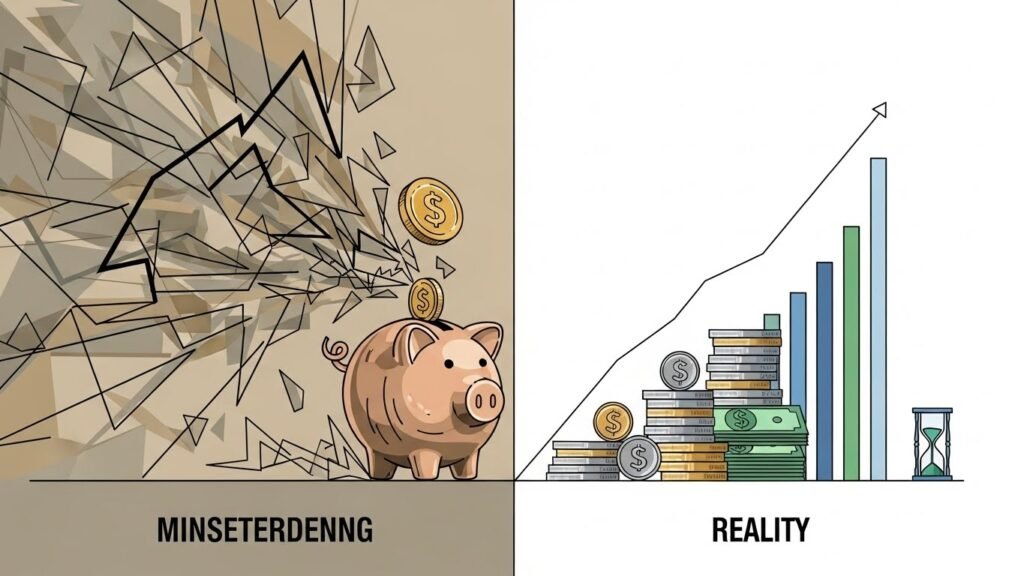
Several misconceptions affect understanding of the income sources of celebrities. Clarifying these misunderstandings supports more accurate comprehension.
Single Source Assumptions
Assumptions that celebrities have single dominant income sources oversimplify actual source structures. Multiple sources typically contribute to total professional income.
Single source assumptions may arise from visibility of particular income types. The most publicly discussed sources may not represent the only or even primary sources of professional income.
Accurate understanding requires recognizing source multiplicity. Income sources of celebrities typically involve diverse categories rather than single dominant sources.
Passive Income Overestimation
Assumptions that celebrity income flows passively without ongoing activity overestimate the passive proportion of professional earnings. Much celebrity income requires active ongoing engagement.
Passive income sources exist but may not dominate total income. The visibility of passive income types may create impressions disproportionate to their actual contribution.
Understanding income sources of celebrities requires recognizing the active dimension. Ongoing professional activity underlies much professional income despite existence of passive sources.
Category Confusion
Confusion between different income categories distorts understanding. Different source types have different characteristics that warrant distinction.
Category confusion may conflate sources with different risk, timing, or structural characteristics. Accurate understanding requires maintaining categorical distinctions.
Clear categorization supports proper understanding of income sources of celebrities. Distinguishing between source types enables comprehension of how different sources function.
Permanence Assumptions
Assumptions that income sources persist permanently misunderstand source dynamics. Sources may change, diminish, or end over time due to various factors.
Permanence assumptions may underestimate the effort required to maintain income sources. Ongoing attention to source maintenance and development characterizes professional income management.
Understanding income sources of celebrities includes recognizing source impermanence. Sources require maintenance and may change despite past productivity.
Universality Assumptions
Assumptions that all recognized individuals have access to identical source types overstate source availability uniformity. Source access varies based on field, recognition level, and other factors.
Universality assumptions may incorrectly project source availability from one context to another. Different professional circumstances create different source access.
Accurate understanding requires recognizing source availability variation. Income sources of celebrities differ across individuals based on specific professional circumstances.
Conclusion
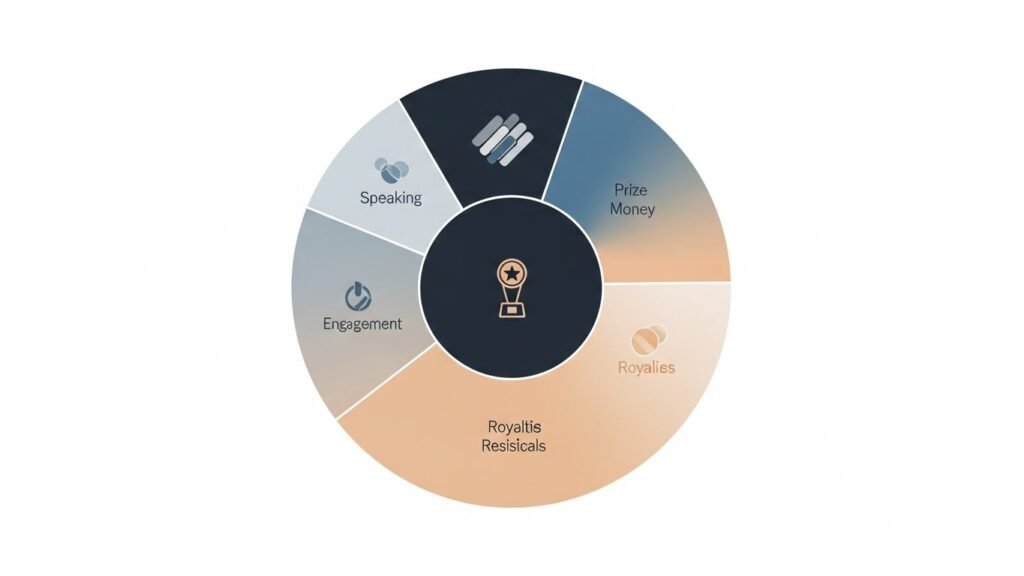
The income sources of celebrities represent categorizable revenue channels available within recognition-oriented professions. Understanding these sources requires systematic classification rather than focus on specific amounts or individual applications.
The fundamental distinction between earned and residual income provides the broadest categorical framework. Earned income requires ongoing activity while residual income may flow from established arrangements or assets.
Primary professional income categories include service compensation, rights-based income, association-based income, and equity income. These categories represent distinct source types with unique characteristics.
Performance and appearance income derives from presence and activity before audiences. Live performance, recorded performance, and appearance-based revenue represent specific source types within this category.
Contractual and licensing income derives from formal agreements. Project contracts, licensing arrangements, and royalty structures establish terms through which this income flows.
Media, broadcasting, and distribution income relates to media presence and content distribution. Broadcasting revenue, content distribution income, and platform-based revenue represent sources within this category.
Temporal dimensions distinguish short-term from long-term income sources. The duration characteristics of different sources significantly affect their contribution to overall income structure.
Multiple income sources characterize the income sources of celebrities due to risk distribution benefits, opportunity exploitation, career phase considerations, and income smoothing effects.
Common misconceptions about income sources include single source assumptions, passive income overestimation, category confusion, permanence assumptions, and universality assumptions. Recognizing these misconceptions supports accurate understanding.
The income sources of celebrities, understood as categorized revenue channels, provide a framework for comprehending how earnings are structured within recognition-oriented professional fields without requiring focus on specific magnitudes or individual cases.