
Table of Contents

A celebrity persona serves as the bridge between famous individuals and their audiences. It determines how we perceive, relate to, and connect with the well-known figures who capture our attention.
When we watch our favorite stars on screen or follow them on social media, we are observing a carefully constructed version of who they are. This crafted public identity is known as a celebrity persona, and understanding it helps us make sense of fame and entertainment culture.
This comprehensive guide explains everything you need to know about the concept of celebrity persona. We will explore its meaning, purpose, and significance in simple terms that anyone can understand.
What Is a Celebrity Persona?

A celebrity persona is the public identity that a famous person presents to the world. It represents the version of themselves that audiences see, hear, and experience through media and public appearances.
The word “persona” originates from Latin, where it referred to theatrical masks worn by ancient actors. This historical meaning captures the concept perfectly. A celebrity persona is like a professional mask—not necessarily dishonest, but deliberately shaped for public consumption.
Think of a celebrity persona as a professional identity. Just as a teacher might behave differently in a classroom than at a family gathering, celebrities present a specific version of themselves when performing their public role.
A celebrity persona includes multiple elements working together. These elements include speaking style, visual presentation, public behavior, expressed values, and the overall impression created through media appearances.
This concept applies to all types of famous people. Actors, musicians, athletes, television hosts, and social media influencers all develop and maintain celebrity personas throughout their careers.
The Difference Between Public Persona and Private Personality

Understanding the distinction between public persona and private personality is essential for grasping what a celebrity persona truly represents.
The public persona is what audiences observe through media channels. It appears in interviews, performances, social media posts, and public events. This version is curated, intentional, and designed for broad consumption.
The private personality exists away from cameras and public attention. This is where celebrities are simply themselves—unobserved, unfiltered, and free from professional expectations.
Every famous person maintains some degree of separation between these two identities. The gap between public persona and private self varies from celebrity to celebrity.
Some famous individuals build personas that closely reflect their genuine personalities. They simply emphasize certain traits while keeping others private. Their public and private selves remain connected.
Others create more distinct separations between their public and private identities. Their celebrity persona might present a significantly different version than who they are at home.
This separation serves important purposes. It protects mental health by creating boundaries between professional demands and personal life. It also shields family members and loved ones who did not choose public attention.
The existence of this distinction does not make celebrity personas dishonest. Rather, it reflects the natural human tendency to adapt our presentation based on context and audience.
Why Celebrities Create a Public Persona

Famous people develop and maintain celebrity personas for several important reasons. Understanding these motivations reveals the strategic thinking behind public identity management.
Professional Advancement
A well-crafted celebrity persona helps secure career opportunities. Industry professionals prefer working with celebrities whose public images align with project needs.
Actors with versatile yet recognizable personas attract diverse role offers. Musicians with distinctive public identities stand out in crowded entertainment markets.
The entertainment industry is intensely competitive. A memorable celebrity persona provides competitive advantage among thousands of talented individuals seeking attention.
Audience Connection
People naturally connect with familiar, consistent identities. A celebrity persona gives audiences something recognizable and relatable to attach to emotionally.
When fans feel they understand a celebrity, they become more invested in that person’s work. This connection drives engagement, loyalty, and sustained interest over time.
The celebrity persona transforms strangers into figures who feel familiar. This perceived familiarity creates powerful bonds between famous people and their audiences.
Brand Development
Modern celebrities function as brands in the entertainment marketplace. Their celebrity persona defines what that brand represents and attracts.
Consistent public identity helps celebrities attract appropriate professional partnerships. Companies seek celebrities whose personas align with their products and values.
A clearly defined celebrity persona makes marketing and positioning easier. Industry professionals understand what a celebrity represents and how to leverage that effectively.
Privacy Protection
Paradoxically, creating a public persona actually protects privacy. By giving audiences a constructed version of themselves, celebrities keep their true selves safer.
The celebrity persona becomes a buffer between fame’s demands and personal life. It satisfies public curiosity while preserving space for genuine private existence.
Without this separation, public attention would invade every aspect of a celebrity’s life. The persona creates necessary boundaries between public role and private person.
Industry Expectations
The entertainment industry expects celebrities to maintain coherent public identities. This expectation influences how famous people present themselves professionally.
Consistency helps industry professionals make business decisions. They need to understand what a celebrity represents when considering partnerships and projects.
Meeting these expectations requires intentional persona management. Celebrities who ignore public identity often face professional challenges.
How a Celebrity Persona Shapes Audience Perception
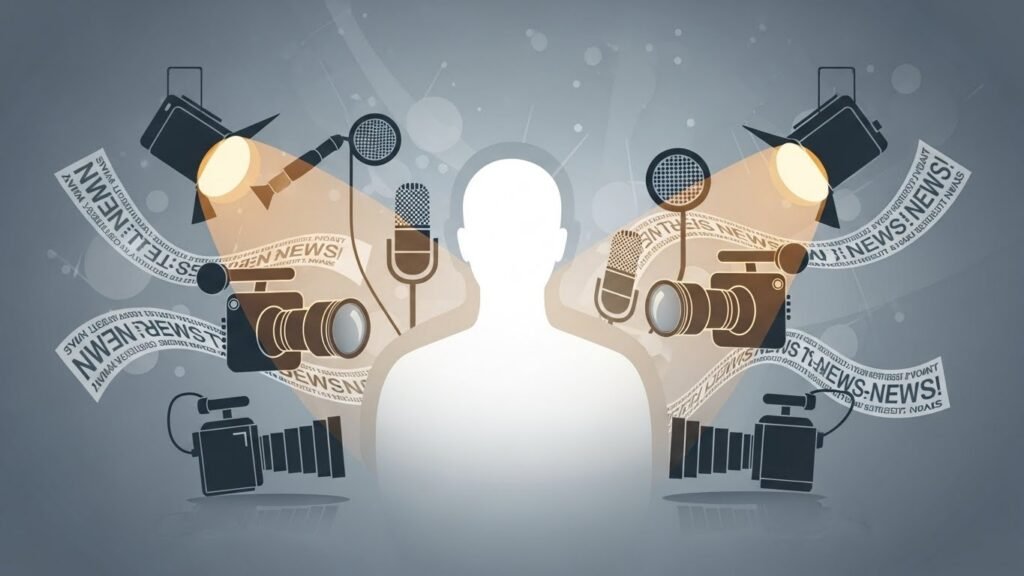
The celebrity persona fundamentally determines how audiences perceive famous individuals. This influence operates through several important mechanisms.
First Impressions
Initial exposure to a celebrity creates lasting impressions based on their persona. These first impressions anchor future perceptions significantly.
Audiences form opinions quickly when encountering new celebrities. The persona presented during initial exposure shapes how audiences interpret all subsequent information.
Strong, clear personas create memorable first impressions. These impressions become reference points for ongoing audience relationships.
Consistency and Recognition
Consistent persona presentation builds recognition over time. Audiences learn what to expect from specific celebrities and develop comfort with familiar patterns.
Recognition creates mental shortcuts for audience perception. When a celebrity appears, audiences immediately recall accumulated impressions and associations.
This recognition extends a celebrity’s influence and reach. Famous people with established personas enjoy built-in audience understanding.
Emotional Connection
Celebrity personas evoke emotional responses from audiences. The specific persona elements determine what emotions audiences associate with a celebrity.
Some personas generate warmth and affection. Others inspire admiration, respect, or aspiration. The emotional tone depends on persona characteristics.
These emotional connections motivate audience behavior. People support celebrities who make them feel positive emotions through effective persona presentation.
Trust and Loyalty
Consistent celebrity personas build audience trust over time. When celebrities reliably present themselves in expected ways, audiences develop confidence in them.
This trust translates into loyalty during challenges. Audiences who trust a celebrity’s persona often remain supportive through difficulties.
Betraying persona expectations damages trust significantly. Audiences feel deceived when celebrities behave inconsistently with their established public identity.
Key Elements That Form a Celebrity Persona

Several distinct elements combine to create a complete celebrity persona. Each component contributes to the overall impression audiences receive.
Visual Presentation
Appearance significantly shapes celebrity persona perception. Clothing choices, grooming, and overall aesthetic communicate identity immediately.
Consistent visual presentation reinforces persona recognition. Audiences learn to associate certain looks with specific celebrities.
Visual elements communicate personality traits and values without words. A celebrity’s appearance speaks before they say anything.
Communication Style
How celebrities speak and express themselves defines persona significantly. Vocabulary, tone, humor, and conversation patterns all contribute.
Some celebrities cultivate articulate, thoughtful communication styles. Others develop casual, accessible approaches. These choices shape audience perception directly.
Consistency in communication across different platforms reinforces persona stability. Audiences expect celebrities to sound like themselves regardless of context.
Expressed Values
The values celebrities publicly express become central persona elements. These stated beliefs and priorities shape how audiences understand and relate to them.
Celebrities often emphasize specific values that define their public identity. Social consciousness, artistic dedication, family focus, or competitive drive all represent potential value centers.
Alignment between expressed values and visible behavior strengthens persona credibility. Contradictions between stated values and observed actions weaken persona effectiveness.
Professional Work
The projects celebrities choose contribute significantly to their persona. Artistic choices communicate priorities and values to attentive audiences.
Consistent creative choices reinforce persona coherence. Audiences develop expectations based on previous work and interpret new projects through that lens.
Professional reputation affects persona perception directly. Quality work enhances celebrity personas while poor work diminishes them.
Public Behavior
Observable conduct in public settings shapes celebrity persona powerfully. How celebrities treat others and handle situations reveals character to watching audiences.
Courteous, gracious behavior enhances persona perception. Kindness toward fans, professionalism with colleagues, and composure under pressure all contribute positively.
Negative public behavior damages personas quickly and severely. These incidents become permanent parts of celebrity perception history.
Examples of Different Types of Celebrity Personas
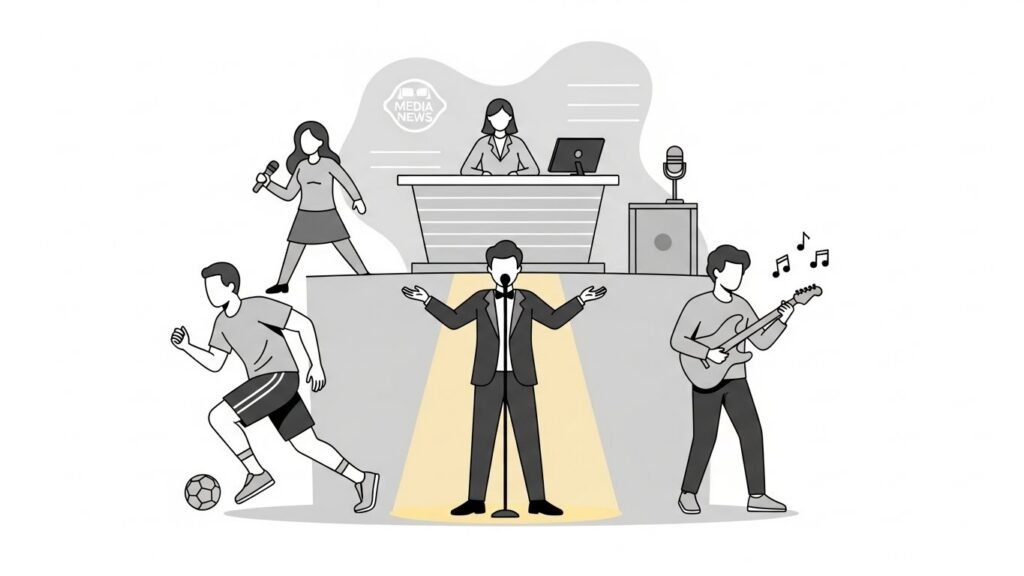
Celebrity personas appear across all entertainment industries, taking different forms based on professional context and audience expectations.
Actor Personas
Film and television actors develop personas distinct from their on-screen roles. While they portray various characters professionally, their celebrity persona remains consistent across appearances.
Some actors cultivate serious, artistic personas emphasizing craft dedication. They present themselves as thoughtful professionals committed to meaningful work.
Others develop charming, accessible personas that emphasize likability. Their public identity focuses on warmth, humor, and audience connection.
Action-oriented actors often maintain personas emphasizing physical capability and adventurous spirit. These personas align with their typical professional work.
Musician Personas
Musicians frequently develop personas closely connected to their artistic style. Their public identity reinforces the emotional content of their music.
Some musicians create theatrical personas almost like fictional characters. These constructed identities become inseparable from their artistic output.
Others emphasize authenticity, building personas around genuine personal expression. They present themselves as real people sharing honest creative work.
Genre often influences musician persona development. Different musical styles carry different expectations for artist presentation.
Athlete Personas
Professional athletes build personas around competition, physical achievement, and team values. Their public identities emphasize dedication, discipline, and excellence.
Some athletes develop personas focused specifically on sport accomplishment. Their public identity centers entirely on athletic achievement.
Others build broader personas incorporating personality, humor, or social awareness. These athletes become famous beyond their sporting achievements.
The competitive nature of sports influences athlete persona development. Intensity, determination, and winning mentality frequently appear as persona elements.
Television Personality Personas
Hosts, presenters, and television personalities develop personas suited for regular audience connection. Frequent visibility requires particularly consistent persona management.
These personas typically emphasize warmth, approachability, and reliability. Audiences who encounter these celebrities regularly expect comfortable familiarity.
Television personalities often become trusted figures in audience lives. Their personas must maintain this trust through consistent, dependable presentation.
Common Misconceptions About Celebrity Personas

Several misunderstandings about celebrity personas circulate in popular culture. Clarifying these misconceptions helps develop more accurate understanding.
Misconception: Personas Are Completely Fake
Many people assume celebrity personas are entirely manufactured identities bearing no relationship to reality. This oversimplifies the concept significantly.
Most celebrity personas build upon genuine personality traits. Rather than inventing fictional identities, celebrities typically emphasize certain real characteristics while minimizing others.
The persona represents selection and emphasis, not fabrication. Understanding this creates more realistic expectations about celebrities.
Misconception: All Celebrities Calculate Their Personas
Another common assumption holds that every celebrity consciously engineers their public identity through careful strategic planning.
In reality, many celebrity personas develop organically through public experience. Natural responses to fame shape identity as much as deliberate planning.
Some celebrities indeed carefully craft every persona element. Others simply adapt naturally to public attention without extensive strategic thinking.
Misconception: Personas Never Change
Some audiences expect celebrity personas to remain static throughout entire careers. They feel surprised or betrayed when public identities evolve.
Healthy celebrity personas actually grow and change over time. Just as people mature and develop naturally, public identities should evolve appropriately.
Rigid, unchanging personas eventually feel dated and inauthentic. Successful celebrities allow their public identities to mature gracefully.
Misconception: There Is One True Self Hidden Behind the Persona
This romantic notion suggests that somewhere behind the celebrity persona exists a singular authentic self waiting to be discovered.
Human identity is actually more complex than this simple model suggests. People genuinely are different in different contexts without any version being more real than others.
The celebrity persona and the private person are both genuine aspects of a complete human being. Neither is more authentic than the other.
Why Understanding Celebrity Personas Matters
Developing comprehension of celebrity personas benefits audiences in several important ways.
Media Literacy
Understanding celebrity personas improves media literacy. Audiences who recognize persona construction interpret celebrity content more accurately.
This awareness prevents naive assumptions about famous people. It creates realistic expectations about what media reveals about celebrities.
Media literate audiences make better judgments about celebrity information. They understand the difference between persona presentation and complete reality.
Realistic Expectations
Understanding celebrity personas prevents unhealthy parasocial relationships. Audiences who recognize personas maintain appropriate emotional distance from famous strangers.
This knowledge prevents disappointment when celebrities behave unexpectedly. Audiences understand that public persona does not equal private person.
Realistic expectations create healthier relationships with celebrity culture. Audiences can enjoy entertainment without unrealistic assumptions.
Appreciation of Craft
Understanding celebrity personas reveals the skill involved in public identity management. Audiences can appreciate this aspect of entertainment professionalism.
Successful persona creation and maintenance requires genuine talent. Recognizing this artistry adds appreciation for celebrity achievement.
The craft of persona management is itself worthy of respect. Understanding it helps audiences value celebrity work more completely.
Conclusion
The concept of celebrity persona represents a fundamental aspect of fame and entertainment culture. This crafted public identity shapes how audiences perceive, connect with, and respond to famous individuals.
A celebrity persona serves multiple purposes for famous people. It advances careers, protects privacy, builds audience connection, and meets industry expectations. Understanding these purposes reveals the strategic importance of public identity management.
The distinction between celebrity persona and private personality is essential for accurate understanding. Famous people present specific versions of themselves publicly while maintaining separate private identities away from observation.
Celebrity personas appear across all entertainment industries, taking forms appropriate to each professional context. Actors, musicians, athletes, and television personalities all develop and maintain public identities suited to their audiences.
Common misconceptions about celebrity personas prevent accurate understanding. Personas are not completely fake, not always calculated, not static, and do not hide singular true selves. Reality is more complex and interesting than these simplifications suggest.
Understanding celebrity personas benefits audiences through improved media literacy, more realistic expectations, and greater appreciation for entertainment craft. This knowledge creates healthier, more enjoyable relationships with celebrity culture.
As media continues evolving and fame takes new forms, the celebrity persona will remain central to entertainment. This enduring concept will continue shaping how famous people present themselves and how audiences perceive them for generations to come.