
Table of Contents
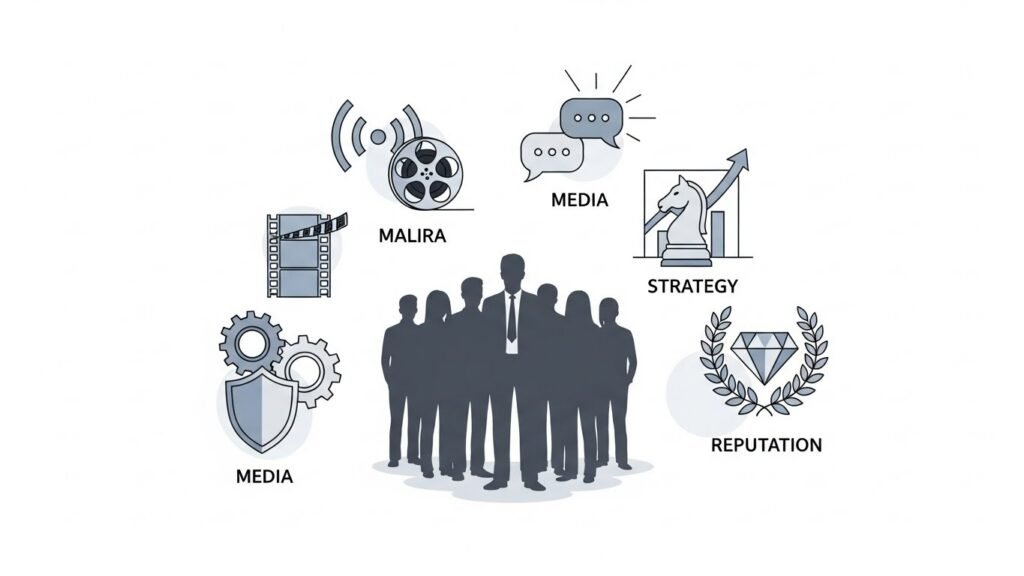
Behind every successful famous person stands a team of professionals working to protect and guide their public standing. This coordinated effort is known as celebrity image management, and it represents one of the most important yet least understood aspects of the entertainment industry.
Celebrity image management involves strategic planning, professional expertise, and careful decision-making that shapes how audiences perceive famous individuals. These behind-the-scenes processes determine career trajectories and professional opportunities.
This comprehensive guide explores the professional world of celebrity image management, revealing how teams, strategies, and systems work together to maintain and protect the reputations of famous people.
What Is Celebrity Image Management?

Celebrity image management refers to the professional practice of strategically guiding, protecting, and maintaining a famous person’s public standing. It encompasses all deliberate efforts to influence how audiences and media perceive a celebrity.
This discipline treats reputation as a valuable asset requiring active protection and cultivation. Like any valuable asset, public standing needs ongoing attention and professional management.
Celebrity image management involves proactive and reactive elements. Proactive management builds positive perception through strategic activities. Reactive management addresses challenges and problems that threaten reputation.
The practice draws from public relations, marketing, communications, and crisis management disciplines. It applies these professional fields specifically to famous individuals and their unique circumstances.
Professional celebrity image management differs from casual self-promotion. It involves systematic approaches, specialized expertise, and coordinated team efforts rather than ad-hoc individual actions.
The Professional Team Behind Image Management
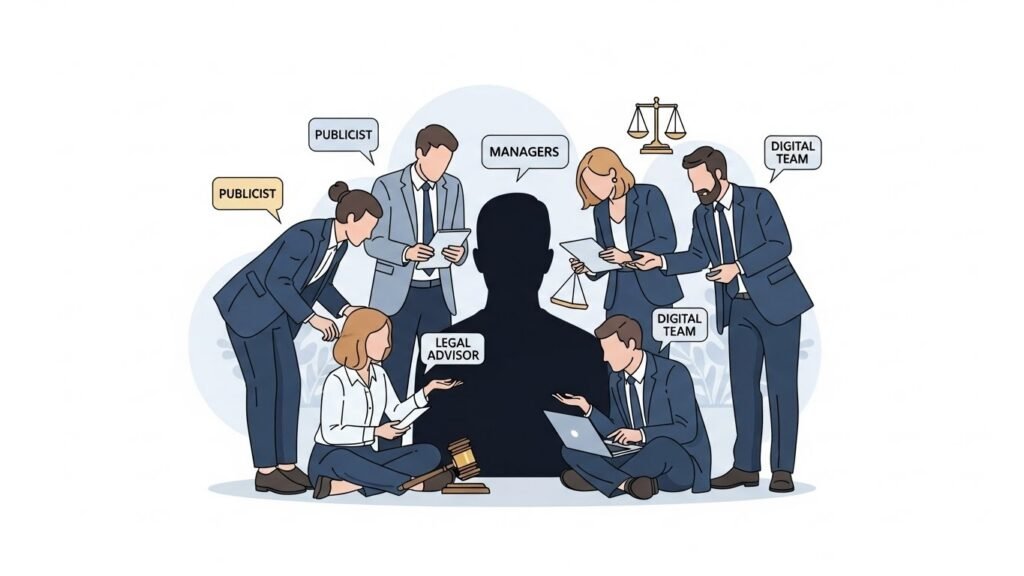
Celebrity image management requires specialized professionals working in coordinated teams. Understanding these roles reveals how reputation management actually functions in practice.
Publicists and Public Relations Specialists
Publicists serve as primary architects of celebrity image management strategies. These professionals specialize in shaping public perception through media relations and strategic communication.
A publicist’s responsibilities include securing media coverage, preparing celebrities for interviews, and crafting messaging that supports reputation goals. They serve as intermediaries between celebrities and media outlets.
Publicists maintain extensive media relationships that benefit their clients. Their industry connections provide access to coverage opportunities and favorable presentation contexts.
These professionals also monitor media coverage and public sentiment. They track how celebrities are being discussed and identify potential reputation concerns early.
Personal Managers
Personal managers oversee broader career strategy, including image considerations. They coordinate various team members and ensure alignment between reputation management and career objectives.
Managers make strategic decisions about which opportunities align with image goals. They evaluate projects, appearances, and partnerships based on reputation implications.
The manager’s perspective tends toward long-term career health. They balance immediate opportunities against lasting reputation effects.
Talent Agents
While primarily focused on securing work opportunities, talent agents contribute to celebrity image management through project selection. The roles and projects celebrities accept significantly affect public perception.
Agents advise on which opportunities enhance versus potentially harm reputation. Their industry knowledge helps identify image-appropriate projects.
The agent’s commercial focus complements reputation considerations. Successful projects typically support positive public standing.
Legal Counsel
Entertainment attorneys protect celebrity reputations through legal means. They address defamation, contractual issues, and other legal matters affecting public standing.
Legal professionals review agreements to ensure reputation protections. Contracts often include clauses designed to protect celebrity image interests.
When reputation damage involves legal violations, attorneys pursue appropriate remedies. Legal action sometimes becomes necessary for reputation protection.
Digital and Social Media Teams
Modern celebrity image management requires dedicated digital specialists. These professionals manage online presence and monitor digital conversations about celebrities.
Social media managers create and schedule content that supports image objectives. They maintain consistent messaging across digital platforms.
Digital monitoring specialists track online sentiment and identify emerging issues. Early detection of potential problems enables faster response.
Image Management in Interviews and Appearances

Public appearances provide critical opportunities for celebrity image management. These visible moments require careful preparation and strategic approach.
Interview Preparation
Professional interview preparation represents core celebrity image management practice. Teams work extensively to prepare celebrities for media conversations.
Preparation includes developing key messages that support reputation goals. These talking points ensure consistent communication across multiple appearances.
Teams anticipate potential questions and prepare appropriate responses. This preparation prevents damaging off-the-cuff statements that might harm reputation.
Media training helps celebrities deliver messages effectively. Professional trainers teach communication techniques that enhance interview performance.
Appearance Selection
Strategic selection of appearances supports celebrity image management objectives. Teams evaluate opportunities based on reputation implications before accepting.
Considerations include audience demographics, outlet reputation, and context appropriateness. Each appearance should align with broader image strategy.
Declining certain opportunities sometimes serves reputation better than accepting them. Strategic absence can be as important as strategic presence.
The timing of appearances receives careful attention. Teams coordinate when and where celebrities appear to maximize positive impact.
Event Behavior Management
Public events require managed celebrity behavior. Teams provide guidance on conduct that protects and enhances reputation during visible moments.
This guidance includes interaction protocols for media, fans, and other attendees. Appropriate behavior patterns support positive perception.
Teams sometimes accompany celebrities to events to provide real-time support. This presence enables immediate guidance when situations require response.
Post-event assessment identifies lessons for future appearance management. Continuous improvement strengthens celebrity image management effectiveness.
Handling Mistakes and Reputation Recovery

Even well-managed celebrities face reputation challenges. Professional celebrity image management includes strategies for addressing problems and recovering from damage.
Crisis Response Protocols
Effective celebrity image management requires established crisis response protocols. These predetermined procedures enable rapid, appropriate response when problems occur.
Crisis protocols identify decision-makers and communication chains. Clear responsibility assignments prevent confusion during high-pressure situations.
Response speed often determines crisis outcomes. Prepared teams can act quickly because they have already planned for potential problems.
Protocols include template responses that can be customized for specific situations. This preparation accelerates response without sacrificing appropriateness.
Damage Assessment
Before responding to reputation threats, professional teams assess actual damage. This assessment determines appropriate response scale and approach.
Assessment considers the reach and credibility of negative information. Widespread coverage from respected sources requires different response than limited attention.
Teams evaluate audience reaction to determine sentiment impact. Public response indicates how seriously reputation has been affected.
This assessment prevents both under-response and over-response. Proportional reaction serves reputation better than mismatched response.
Strategic Response Options
Celebrity image management professionals employ various response strategies depending on situation specifics. Different circumstances require different approaches.
Some situations call for direct address through public statements. Acknowledgment and appropriate response can sometimes resolve issues quickly.
Other circumstances benefit from strategic silence. Responding to minor issues sometimes amplifies them unnecessarily.
Certain situations require demonstrating changed behavior over time. Actions often speak more convincingly than statements alone.
Legal response becomes appropriate when false information causes reputation damage. Defamation claims protect against malicious falsehoods.
Reputation Rehabilitation
Serious reputation damage requires extended rehabilitation efforts. Celebrity image management teams develop long-term strategies for restoring damaged standing.
Rehabilitation typically involves consistent positive behavior over time. Single gestures rarely repair significant damage.
Strategic project selection can support rehabilitation. Work demonstrating positive qualities helps rebuild damaged reputation.
Charitable involvement and community service sometimes contribute to rehabilitation. Genuine positive contribution can shift public perception gradually.
The rehabilitation timeline depends on damage severity. Minor issues resolve faster than major reputation crises.
Long-Term Consistency in Image Management

Effective celebrity image management requires sustained consistency over extended periods. Short-term tactics must align with long-term strategic direction.
Strategic Planning Horizons
Professional teams develop celebrity image management strategies with multi-year perspectives. Long-term planning ensures consistent direction over time.
These strategic plans identify target positioning and the steps required to achieve it. Clear objectives guide ongoing decision-making.
Regular strategy reviews assess progress and adjust approaches as needed. Flexibility within consistent direction optimizes results.
Long-term planning prevents reactive, inconsistent decisions that can confuse public perception. Strategic discipline maintains reputation coherence.
Message Consistency
Consistent messaging across all communications strengthens celebrity image management effectiveness. Contradictory messages create confusion and weaken reputation.
Teams develop core message frameworks that guide all communications. These frameworks ensure alignment across different contexts and platforms.
All team members understand and apply consistent messaging. Coordination prevents contradictory communications from different sources.
Message consistency extends across time as well as across channels. What celebrities communicate should align with previous statements.
Visual Consistency
Visual presentation contributes to celebrity image management consistency. How celebrities appear visually affects reputation perception.
Styling decisions align with broader image strategy. Visual presentation communicates identity and values to audiences.
Consistent visual elements create recognition and reinforce reputation positioning. Audiences develop expectations based on established patterns.
Changes in visual presentation receive strategic consideration. Significant shifts may affect reputation perception and require careful management.
Behavioral Consistency
Observable behavior patterns significantly impact celebrity image management. Consistent conduct reinforces intended reputation positioning.
Teams guide celebrities toward behavior patterns that support image objectives. This guidance covers public conduct across various contexts.
Behavioral consistency builds trust with audiences over time. Predictable conduct suggests genuine character rather than performance.
Inconsistent behavior damages reputation more than consistent negative behavior. Unpredictability itself creates reputation problems.
Digital Age Image Management Challenges

Modern celebrity image management faces unique challenges created by digital technology and social media. These new dynamics require adapted strategies.
Continuous Visibility
Digital platforms create constant visibility that challenges celebrity image management. Unlike traditional media, online attention never stops.
This continuous visibility requires ongoing monitoring and management. Teams must remain alert to digital developments at all times.
The volume of potential reputation-affecting content has increased dramatically. More content requires more management attention.
Real-time communication expectations pressure response timelines. Digital audiences expect faster reactions than traditional media allowed.
User-Generated Content
Celebrities no longer control all content about themselves. User-generated content creates reputation implications beyond professional control.
Fan content, candid photographs, and public recordings all affect perception. Celebrity image management must account for uncontrolled content sources.
Monitoring user-generated content has become essential practice. Teams track what others post about their celebrity clients.
Response strategies for problematic user content require careful calibration. Heavy-handed approaches can backfire and create additional problems.
Platform Management
Different digital platforms require different celebrity image management approaches. Each platform has unique characteristics affecting reputation.
Teams develop platform-specific strategies that serve overall reputation goals. Content and approach vary across different digital contexts.
Platform algorithm changes affect content visibility and must be monitored. Celebrity image management strategies adapt to evolving platform dynamics.
Emerging platforms require assessment for reputation relevance. Teams evaluate whether new platforms warrant management attention.
Why Image Management Matters for Career Longevity

Professional celebrity image management directly affects career duration and success. Understanding this importance explains why celebrities invest significantly in reputation management.
Industry Opportunity Access
Positive reputation opens doors to professional opportunities. Decision-makers prefer working with celebrities who bring favorable public standing.
Projects select celebrities partly based on reputation considerations. How audiences perceive potential participants influences casting and partnership decisions.
Damaged reputation restricts available opportunities. Industry professionals avoid association with negatively perceived celebrities.
Long-term career success requires sustained positive reputation. Celebrity image management protects access to career-sustaining opportunities.
Financial Implications
Reputation directly affects celebrity earning potential. Positive public standing commands premium compensation for appearances and partnerships.
Brand partnerships particularly depend on reputation quality. Companies pay for association with favorably perceived celebrities.
Reputation damage can cost celebrities substantial income. Lost opportunities and cancelled partnerships create significant financial consequences.
Investment in professional celebrity image management typically returns value through protected earning potential. Management costs generally represent sound financial decisions.
Legacy Considerations
Career legacy depends significantly on reputation management over time. How celebrities are remembered reflects accumulated perception.
Professional celebrity image management considers long-term legacy alongside immediate concerns. Current decisions affect future historical perception.
Sustained positive reputation builds lasting legacy value. Celebrities remembered favorably enjoy enduring cultural relevance.
Legacy protection motivates conservative reputation management approaches. Avoiding reputation damage often matters more than seeking reputation gains.
Personal Well-Being
Beyond professional considerations, reputation affects personal well-being. Negative public perception creates stress and difficulty for celebrities and their families.
Effective celebrity image management protects personal peace of mind. Knowing professionals are guarding reputation provides security.
Family members benefit from celebrity reputation protection. Negative public standing affects those connected to celebrities.
Personal well-being considerations justify celebrity image management investment. The psychological value of protected reputation matters alongside career benefits.
Conclusion
Celebrity image management represents a sophisticated professional discipline that shapes how famous people are perceived by audiences and industry. Through coordinated team efforts, strategic planning, and consistent execution, reputation becomes a managed asset rather than an uncontrolled variable.
The professional roles involved in celebrity image management each contribute essential expertise. Publicists, managers, agents, attorneys, and digital specialists work together to protect and guide celebrity reputations through various challenges.
Interview preparation, appearance management, and crisis response represent core celebrity image management practices. These activities require professional expertise and strategic approach to achieve desired outcomes.
Long-term consistency distinguishes effective celebrity image management from short-term tactics. Sustained strategic direction builds and protects reputation over entire careers.
Digital age challenges have complicated celebrity image management while making it more necessary than ever. Continuous visibility and user-generated content require adapted strategies and constant attention.
The importance of celebrity image management for career longevity justifies significant investment in professional reputation guidance. Access to opportunities, financial success, legacy building, and personal well-being all depend on effective reputation management.
Understanding celebrity image management reveals the professional infrastructure supporting famous careers. Behind public visibility stands sophisticated reputation protection that enables sustained success in competitive entertainment industries.