
Table of Contents

Professional careers in recognition-oriented industries follow identifiable patterns and stages that can be mapped chronologically. A celebrity career timeline provides a framework for understanding how professional trajectories develop, progress, and evolve over extended periods.
Examining the structure of a celebrity career timeline reveals common phases that characterize professional development in entertainment, athletics, and related fields. These stages represent typical patterns of career progression rather than universal requirements, as individual trajectories vary considerably.
What Is a Celebrity Career Timeline

A celebrity career timeline is a chronological framework that maps the progression of an individual’s professional career within recognition-oriented industries. It provides structure for understanding how careers develop from initial professional entry through various stages of activity and positioning.
The celebrity career timeline focuses on professional phases rather than personal history. It tracks industry engagement, professional positioning, and career evolution as they unfold over months, years, and decades of professional activity.
This framework recognizes that careers move through identifiable stages with distinct characteristics. Each phase involves different professional activities, industry relationships, and positioning considerations. Understanding these stages provides insight into career development patterns.
A celebrity career timeline differs from biographical accounts by emphasizing professional trajectory over personal narrative. The focus remains on industry engagement and career positioning rather than individual life events or personal circumstances.
The timeline concept applies across entertainment, athletics, and other fields where professional activity intersects with public visibility. While specific manifestations vary by industry, common structural patterns characterize career progression across these domains.
Career timelines operate on varying scales. Some careers span decades while others involve shorter active periods. The stages described within timeline frameworks accommodate these duration variations while maintaining structural applicability.
The Entry Stage of a Celebrity Career

The entry stage marks the beginning of professional engagement within recognition-oriented industries. During this phase, individuals initiate formal professional activity and establish initial industry presence.
Initial Professional Engagement
Entry stage activities involve securing first professional positions or opportunities. Initial roles, contracts, or engagements establish professional status within chosen fields. These first professional activities create the foundation for subsequent career development.
The entry stage typically involves demonstrating capabilities within professional contexts. Auditions, tryouts, submissions, or application processes characterize this phase as individuals seek initial opportunities to work professionally.
Professional infrastructure begins developing during entry. Relationships with agents, managers, or other industry professionals may initiate during this stage. These early professional relationships often influence subsequent career trajectory.
Establishing Professional Presence
Industry presence develops through accumulated professional activities during the entry stage. Each completed project, performance, or engagement adds to the developing professional record. This accumulation establishes credibility within professional communities.
The entry stage involves learning industry operations from inside perspectives. Direct professional engagement provides understanding of how industries function that cannot be gained from outside observation. This operational knowledge supports subsequent career navigation.
Duration of the entry stage varies considerably across individual career timelines. Some transition quickly to subsequent phases while others spend extended periods in entry-stage activities. Neither pattern is inherently preferable as different trajectories suit different circumstances.
Early Professional Development Phase

Following initial entry, the early professional development phase involves capability refinement and professional positioning. This stage focuses on building competencies and establishing direction within chosen fields.
Skill and Capability Development
Professional skills require ongoing development regardless of initial capability levels. The early development phase emphasizes refinement of abilities through applied professional experience. Each engagement provides opportunity for capability enhancement.
Technical competencies specific to chosen fields develop through practice and application. Performance abilities, athletic skills, creative capabilities, or other field-specific competencies improve through focused development during this career phase.
Professional judgment develops alongside technical capabilities. Understanding industry dynamics, recognizing opportunity quality, and making effective career decisions all improve through accumulated professional experience during the development phase.
Professional Identity Formation
How individuals position themselves professionally begins crystallizing during the early development phase. The types of work pursued, professional associations formed, and positioning choices made contribute to emerging professional identities.
Professional identity formation involves discovering which activities, contexts, and approaches align with capabilities and interests. This discovery process requires experimentation and evaluation across the early development phase.
The development phase often involves accepting diverse opportunities to build experience and explore options. This diversity serves developmental purposes even when specific engagements do not represent ideal preferences. Experience accumulation supports subsequent positioning decisions.
Building Professional Networks
Industry relationships expand during the early development phase. Colleagues, collaborators, and professional contacts accumulate through successive engagements. These relationships form networks that influence subsequent opportunity access.
Reputation within professional communities begins developing during this phase. How individuals conduct themselves professionally, the quality of their work, and their reliability all contribute to emerging professional reputations.
Representation relationships may deepen or evolve during early development. Initial representation arrangements may be supplemented or replaced as professional positioning clarifies and career needs become better understood.
Visibility Expansion Phase

The visibility expansion phase involves increasing public awareness and audience development. Professional activity during this stage generates growing recognition that extends beyond industry communities.
Audience Development
Professional activities during the visibility expansion phase reach increasingly large audiences. The scale of projects, performances, or engagements expands, providing exposure to broader audience segments.
Audience awareness accumulates through repeated exposure across this career phase. Each professional activity that reaches public audiences contributes to aggregate recognition levels. This cumulative process builds the audience base that supports subsequent career stages.
Geographic reach often expands during visibility development. Initial audience development may be localized before extending regionally, nationally, or internationally. The pattern of geographic expansion varies by industry and individual circumstances.
Increasing Professional Prominence
Industry positioning elevates during the visibility expansion phase. More prominent roles, higher-profile projects, and increased professional standing characterize this stage of the celebrity career timeline.
Media coverage typically increases during visibility expansion. Press attention, interview opportunities, and feature coverage grow as professional prominence increases. This media engagement both reflects and contributes to visibility development.
Professional opportunities improve in quality and significance during this phase. Access to more substantial projects, better professional conditions, and more favorable terms often accompanies increased visibility and industry standing.
Managing Growth Dynamics
The visibility expansion phase requires managing changing professional circumstances. Increased demand for time and attention necessitates prioritization and organizational systems.
Professional team expansion often accompanies visibility growth. Additional representation, support staff, and specialized professionals may join the professional infrastructure as career demands increase.
Strategic decision-making becomes increasingly consequential during visibility expansion. Choices about which opportunities to pursue, how to position professionally, and where to direct effort have amplified effects as visibility increases.
Career Consolidation Stage

Following visibility expansion, the consolidation stage involves stabilizing professional position and optimizing career structure. This phase focuses on strengthening established standing rather than pursuing continued rapid expansion.
Stabilizing Professional Position
Consolidation involves securing and reinforcing achieved professional standing. Rather than prioritizing growth, this stage emphasizes maintaining and protecting established position within industry hierarchies.
Professional reliability becomes particularly important during consolidation. Consistent delivery of quality work reinforces reputation and justifies continued prominent positioning. Reliability concerns extend to professional conduct, availability, and commitment.
Industry relationships deepen during consolidation. Longer-term collaborations, repeat engagements, and sustained professional associations characterize this phase. These deepened relationships provide stability and mutual benefit.
Optimizing Career Structure
The professional infrastructure developed during earlier phases receives optimization during consolidation. Representation arrangements, business structures, and operational systems are refined for efficiency and effectiveness.
Financial and business dimensions of careers receive increased attention during consolidation. Professional success achieved during earlier phases generates resources requiring management. Business optimization ensures that professional success translates to sustainable benefit.
Work patterns may regularize during consolidation. Rather than accepting all available opportunities, more selective engagement patterns emerge. This selectivity reflects both established position and strategic thinking about sustainable career management.
Diversification Considerations
Some celebrity career timelines involve diversification during consolidation. Expanding into related activities, developing additional revenue streams, or exploring adjacent professional areas represents common consolidation-stage activity.
Diversification provides career stability through reduced dependence on single activity types or income sources. Spreading professional engagement across multiple areas buffers against changes affecting any particular domain.
The decision to diversify involves trade-offs between focus and breadth. Concentrated effort in primary activities may maximize achievement in those areas while diversification provides broader stability. Different career strategies involve different approaches to this balance.
Peak Activity Period

The peak activity period represents the stage of maximum professional engagement and achievement within a celebrity career timeline. This phase involves operating at the highest levels of professional activity and industry standing.
Maximum Professional Engagement
Peak periods involve sustained high-level professional activity. Major projects, significant engagements, and prominent opportunities characterize this career stage. The quantity and quality of professional work reaches maximum levels.
Industry standing during peak periods reflects accumulated achievement and established position. Professionals operating in peak phases occupy prominent positions within their fields, commanding significant opportunities and favorable conditions.
Demand for professional services typically reaches maximum during peak periods. Multiple opportunities compete for attention, requiring prioritization among favorable options. Managing this demand involves strategic decisions about engagement selection.
Sustaining Performance Quality
Maintaining performance quality during intensive peak activity presents ongoing challenge. High-volume professional engagement must not compromise the quality that established prominent positioning.
Resource allocation during peak periods requires careful management. Time, energy, and attention must be distributed across numerous demands while preserving capability for quality delivery on each commitment.
Support systems become critical during peak activity phases. Professional teams, personal support, and operational infrastructure must function effectively to enable sustained high-level professional performance.
Recognizing Peak Dynamics
Peak periods may not be recognized as such while occurring. The intensity of activity during these phases can obscure awareness of their distinctive character. Recognition that a career stage represents a peak often comes retrospectively.
Peak periods have finite duration within most celebrity career timelines. The intensity of maximum activity cannot be sustained indefinitely. Understanding this finitude supports appropriate planning for subsequent phases.
The transition from peak periods may occur gradually or through identifiable shifts. Reduced opportunity flow, changed industry conditions, or deliberate pacing adjustments can all mark transitions away from peak activity levels.
Career Adjustment and Transition Phases

Celebrity career timelines include periods of adjustment and transition as circumstances change. These phases involve adapting professional activity to evolved conditions, capabilities, or objectives.
Responding to Changed Conditions
Industry conditions change over time, requiring career adjustments. Market dynamics, technological developments, audience preferences, and competitive landscapes all evolve in ways that affect individual careers. Adaptation to these changes characterizes transition phases.
Personal circumstances may prompt career adjustments independent of industry changes. Physical capability changes, shifting interests, or evolving priorities can all necessitate professional adaptation. These individual factors interact with industry conditions in shaping transition needs.
Recognition of needed adjustment may come gradually or suddenly. Accumulated signals of changed conditions may eventually prompt transition recognition, or specific events may trigger immediate awareness of adaptation needs.
Repositioning Activities
Career transitions often involve repositioning within professional fields. Movement to different role types, altered professional focus, or changed industry positioning characterizes many transition phases.
Repositioning may involve leveraging established standing for entry into new activity areas. Prominence achieved in initial areas can support transition to related domains where established recognition provides advantage.
The repositioning process requires experimentation and evaluation. New positions must be tested for viability and satisfaction. Multiple attempts may be necessary before suitable new positioning is achieved.
Managing Transition Challenges
Transitions involve inherent uncertainties that create challenges. Moving from established positions to new configurations involves risk and adjustment difficulty. Managing these challenges requires resilience and strategic thinking.
Professional identity may require revision during transitions. How individuals understand their professional selves may need updating to accommodate changed positions and activities. This identity work accompanies practical repositioning activities.
External perception adjustments may lag behind actual transitions. Audiences and industry professionals may continue associating individuals with previous positions after transitions have occurred. Managing this perception lag constitutes part of transition navigation.
Long-Term Career Sustainability

The later portions of a celebrity career timeline focus on sustainability and longevity. This phase involves maintaining viable professional activity over extended periods following earlier intensive stages.
Sustainable Activity Patterns
Long-term sustainability requires professional activity patterns that can be maintained over extended periods. The intensity appropriate for peak phases cannot typically be sustained indefinitely. Sustainable patterns involve calibrated engagement levels.
Selectivity in opportunity acceptance characterizes sustainable career phases. Rather than pursuing maximum activity, focus shifts to engagements that provide satisfaction, appropriate compensation, and sustainable demands.
Professional infrastructure adapts to support sustainable patterns. Team composition, operational systems, and professional relationships may be reconfigured to match changed activity levels and career objectives.
Leveraging Accumulated Standing
Long career tenure provides accumulated standing that supports continued activity. Established reputation, industry relationships, and professional credibility developed over earlier phases provide foundation for sustained engagement.
This accumulated standing may enable different opportunity types than earlier phases. Mentorship roles, advisory positions, or industry contribution activities may become available based on accumulated experience and standing.
Legacy considerations may enter professional thinking during later career phases. How careers will be remembered and what lasting contributions remain become relevant factors in decision-making about continued activity.
Evolving Professional Objectives
Professional objectives often evolve across extended celebrity career timelines. What motivated early career activity may differ from what drives later phase engagement. These evolved objectives appropriately influence career direction.
Satisfaction sources may shift across career phases. Achievement, recognition, compensation, or creative fulfillment may hold different relative importance at different career stages. Career decisions appropriately reflect these evolved priorities.
The definition of success may require revision across extended careers. Early career success metrics may not apply to later phases. Developing appropriate success frameworks for current circumstances supports sustained satisfaction with professional activity.
Why Career Timelines Differ Between Celebrities
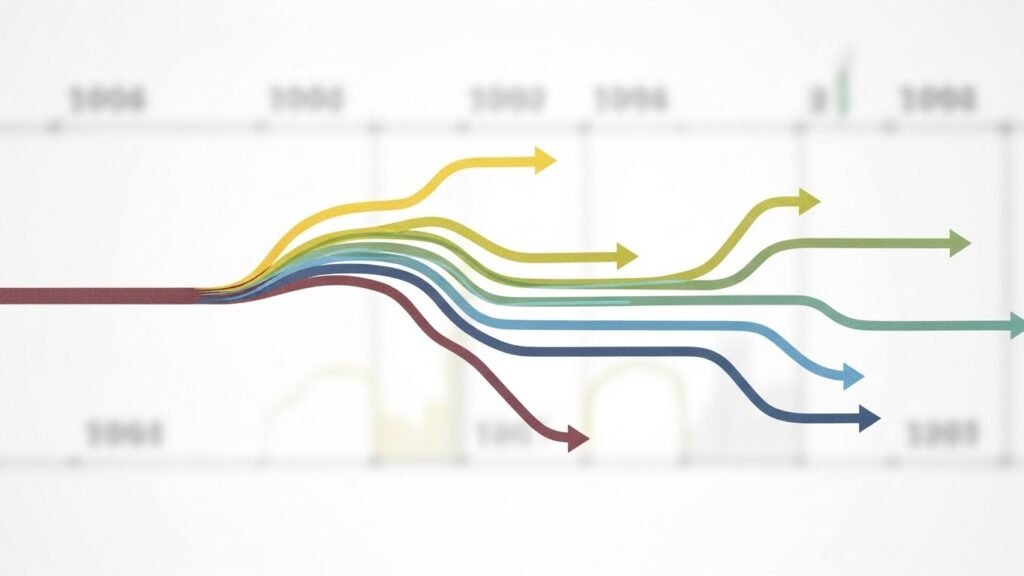
While common structural patterns characterize celebrity career timelines, individual trajectories vary substantially. Understanding sources of this variation illuminates why career paths differ.
Industry Differences
Different industries involve different career structures and typical progression patterns. Entertainment industry timelines differ from athletic career trajectories, which differ from careers in other recognition-oriented fields.
Industry-specific factors including typical career duration, age-related dynamics, and structural characteristics all influence how individual timelines develop. These industry factors create systematic differences across fields.
Within industries, sub-field variations create additional timeline differences. Different roles, specializations, or activity types within broader industries may involve different career patterns and stage characteristics.
Individual Circumstance Variations
Personal circumstances significantly influence career timeline development. Individual capabilities, resources, opportunities encountered, and decisions made all affect how careers progress through various stages.
Geographic location affects opportunity access and career development patterns. Careers developing in major industry centers may follow different trajectories than those in other locations due to differential opportunity availability.
Representation quality and professional relationships influence career progression. The guidance, advocacy, and access provided by professional teams affects how individuals navigate career stages and transitions.
Timing and Context Factors
When careers begin and develop affects their trajectory patterns. Industry conditions, technological environments, and cultural contexts vary across time periods, creating different frameworks for career development.
Competitive dynamics at particular moments influence individual career paths. The presence or absence of competitors, market conditions, and attention availability all affect how careers progress through various stages.
External events beyond individual control can significantly affect career timelines. Economic conditions, industry disruptions, or other external factors may accelerate, delay, or alter stage progressions in ways that create individual trajectory variation.
Conclusion
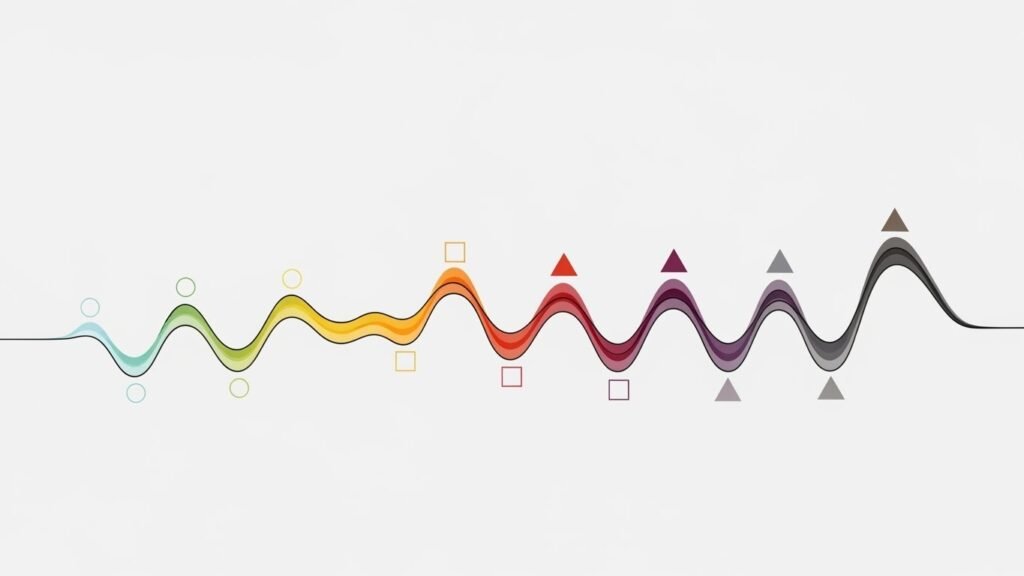
The celebrity career timeline provides a framework for understanding how professional careers in recognition-oriented industries develop and progress over time. This chronological structure reveals common stages that characterize career trajectories while accommodating substantial individual variation.
The entry stage establishes initial professional presence through first engagements and industry access. Early professional development follows, involving capability refinement and professional identity formation that prepares for subsequent advancement.
Visibility expansion marks the phase of growing public awareness and audience development. Professional prominence increases as career activities reach larger audiences and generate increasing recognition.
Career consolidation stabilizes achieved position and optimizes professional structure. This phase emphasizes maintaining and protecting established standing rather than pursuing continued rapid expansion.
Peak activity periods represent maximum professional engagement and achievement within career timelines. Sustaining performance quality during intensive activity characterizes this demanding but productive career stage.
Adjustment and transition phases respond to changed conditions, capabilities, or objectives. These periods involve adaptation and repositioning as circumstances evolve across extended career spans.
Long-term sustainability focuses on maintaining viable professional activity over extended periods. Sustainable patterns, leveraged accumulated standing, and evolved objectives characterize later career phases.
Individual celebrity career timelines differ due to industry variations, personal circumstances, and timing factors. While common structural patterns provide useful frameworks, actual trajectories reflect unique combinations of influences and decisions.
Understanding the celebrity career timeline structure provides insight into how professional careers develop in recognition-oriented industries. This chronological framework illuminates progression patterns that characterize professional trajectories across diverse fields and individual circumstance