
Table of Contents

The professional development of famous individuals follows patterns that reveal how recognition emerges and evolves within entertainment and public industries. A celebrity career journey encompasses the entire professional trajectory from initial industry entry through established prominence and beyond.
Examining how careers develop in fame-oriented industries provides insight into professional dynamics that differ significantly from conventional career paths. The celebrity career journey involves unique challenges, opportunities, and developmental phases that shape how individuals navigate their professional lives.
What Is a Celebrity Career Journey

A celebrity career journey refers to the complete professional trajectory of an individual working in industries where public recognition forms part of career success. This journey encompasses all professional stages from initial industry entry through various phases of development, achievement, challenge, and evolution.
Unlike conventional careers measured primarily through internal organizational advancement, the celebrity career journey involves external public recognition as a key success metric. Professional development occurs within public view, creating unique dynamics around achievement and progression.
The celebrity career journey includes professional skill development, industry relationship building, opportunity navigation, and reputation establishment within relevant fields. It represents the accumulation of professional experiences, decisions, and outcomes that constitute a career in recognition-dependent industries.
This concept applies across multiple fields including film, television, music, athletics, and other areas where public prominence accompanies professional success. While specific industry dynamics vary, common patterns characterize how careers develop across these sectors.
Understanding what constitutes a celebrity career journey requires recognizing that professional development in these fields operates differently than in private-sector careers. Visibility, public response, and media dynamics all influence career progression in ways unique to fame-oriented professions.
How Celebrity Careers Usually Begin

Entry into recognition-oriented industries typically requires initial access to professional opportunities. The beginning of a celebrity career journey involves gaining positions, roles, or platforms that allow professional work to reach audiences.
Initial career entry often occurs through industry-standard pathways. Auditions, tryouts, competitions, submissions, and application processes provide structured entry points into professional consideration. These mechanisms filter candidates and provide initial opportunities for those who successfully navigate them.
Professional representation frequently accompanies career beginnings. Agents, managers, and other industry professionals help facilitate access to opportunities that might otherwise remain unavailable. Securing representation often marks a significant early career milestone.
Early career positions typically involve limited visibility and modest scope. Initial roles, performances, or appearances tend to be smaller in scale, providing experience without extensive public exposure. These early opportunities serve developmental purposes while establishing professional track records.
Industry networking begins during career entry phases. Building professional relationships with colleagues, decision-makers, and industry figures creates foundations for future opportunities. The connections established early often influence later career development.
The beginning phase of a celebrity career journey may extend considerably before recognition occurs. Many professionals work in their industries for extended periods before achieving significant public visibility. This early phase establishes professional credibility and develops necessary capabilities.
Early Career Development and Skill Building

Following initial industry entry, early career development focuses on capability enhancement and professional establishment. This phase of the celebrity career journey involves intensive skill refinement and experience accumulation.
Professional skills require ongoing development regardless of initial talent levels. Technical abilities, performance capabilities, and industry-specific competencies all improve through practice, training, and applied experience. Early career phases provide opportunities for this essential skill building.
Learning industry dynamics occurs through direct professional experience. Understanding how decisions are made, how opportunities arise, and how success is measured develops through observation and participation. This industry knowledge proves essential for effective career navigation.
Building a professional portfolio occurs during early development. Accumulated work demonstrates capabilities and provides evidence of professional potential. This portfolio of completed projects supports pursuit of increasingly significant opportunities.
Professional identity begins forming during early career phases. How individuals present themselves professionally, what types of work they pursue, and how they position themselves within their industries all contribute to emerging professional identities.
Feedback and evaluation during early development guide improvement. Critical assessment from industry professionals, audience response, and self-evaluation all inform ongoing development. Incorporating feedback effectively accelerates professional growth during this phase.
Early career development typically involves accepting available opportunities even when they fall short of ideal preferences. Building experience and professional credibility often requires work that serves developmental purposes rather than representing ultimate career goals.
Career Breakthrough Moments

Breakthrough moments represent significant acceleration in professional recognition and opportunity access. These pivotal points in the celebrity career journey mark transitions from developing professional to recognized figure.
Breakthroughs typically involve projects, performances, or appearances that generate substantially increased public attention. What distinguishes breakthrough moments from ordinary career progression is the magnitude of change in visibility and opportunity access that follows.
Recognition from industry decision-makers often accompanies breakthroughs. Increased interest from those who control access to significant opportunities marks a shift in professional standing. This industry recognition translates into expanded career possibilities.
Public attention increases substantially following breakthrough moments. Audience awareness grows beyond previous levels, creating new dynamics around professional visibility. This expanded public recognition fundamentally changes career context.
Breakthrough timing varies considerably across individual celebrity career journeys. Some experience rapid breakthrough relatively early in their careers while others work professionally for extended periods before achieving similar recognition. No standard timeline governs when breakthroughs occur.
Multiple smaller advancements sometimes substitute for single dramatic breakthroughs. Gradual accumulation of growing opportunities and recognition can achieve similar career effects as singular breakthrough moments. Both patterns appear across different celebrity career journeys.
Following breakthroughs, career dynamics shift substantially. The opportunities available, the professional considerations involved, and the expectations applied all change. Navigating post-breakthrough career phases requires adapting to these new professional circumstances.
Managing Career Growth and Opportunities
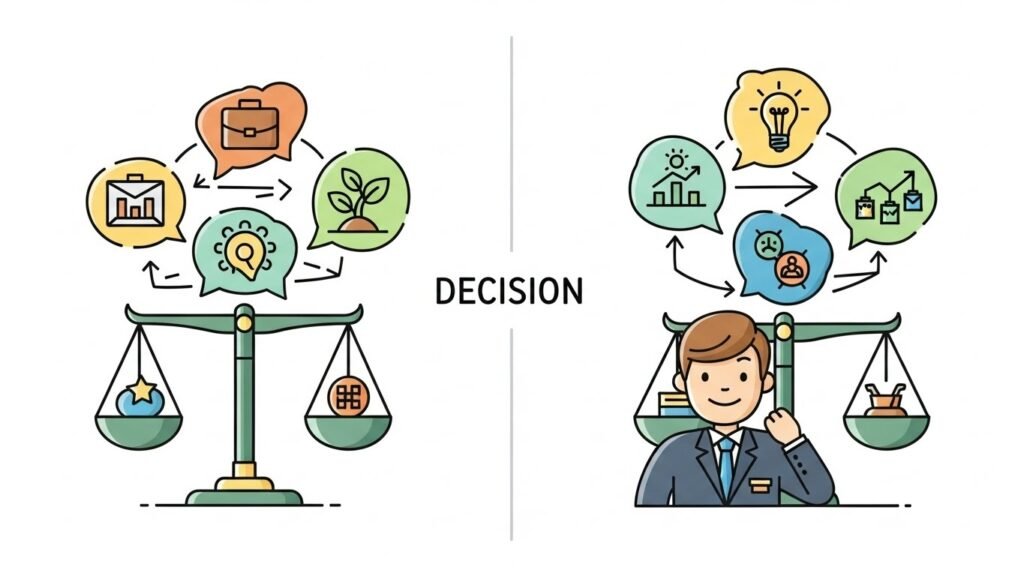
Sustained career development following initial breakthrough requires active management of growth and opportunities. This phase of the celebrity career journey involves strategic decision-making about professional direction.
Opportunity evaluation becomes increasingly important as options expand. With greater recognition comes increased opportunity access, requiring assessment of which possibilities best serve long-term career interests. Not all available opportunities warrant pursuit.
Professional team expansion typically accompanies career growth. Publicists, business managers, attorneys, and other specialized professionals join representation teams. Managing these professional relationships requires attention and clear communication about career objectives.
Maintaining professional quality amid increased demand presents challenges. Higher visibility creates pressure for continued excellence while expanded schedules and responsibilities strain time and energy. Sustaining quality requires deliberate effort and appropriate support.
Financial dimensions of career management grow in complexity and significance. Compensation negotiations, income management, and business decisions require increasing attention. Professional financial guidance typically becomes necessary during career growth phases.
Balancing various professional demands requires prioritization. Recording, performing, promoting, and meeting professional obligations all compete for limited time. Effective career management involves making choices about how to allocate professional attention.
Long-term planning becomes essential during growth phases. Short-term opportunities must be evaluated against long-term career objectives. Strategic thinking about career trajectory guides individual decisions within broader professional direction.
Career Plateaus, Setbacks, and Transitions

Not all phases of a celebrity career journey involve upward progression. Plateaus, setbacks, and necessary transitions characterize career realities that require navigation.
Career plateaus occur when advancement stalls despite continued professional effort. Recognition levels stabilize, opportunity access remains constant, and forward momentum diminishes. These plateau periods appear commonly across celebrity career journeys.
Professional setbacks involve actual regression from previous career positions. Reduced opportunities, diminished recognition, or professional failures create circumstances where career standing declines. Managing setbacks requires resilience and strategic response.
Industry changes sometimes force career transitions. Shifting audience preferences, technological disruption, and evolving industry structures can diminish previously viable career positions. Adapting to changed industry circumstances may require significant professional adjustment.
Competitive dynamics affect career trajectories. New entrants, shifting audience attention, and changing industry priorities all influence individual career positioning. Remaining competitive requires ongoing adaptation to competitive circumstances.
Recovery from setbacks varies in difficulty and duration. Some career challenges prove temporary while others require fundamental professional reassessment. The severity of setbacks and effectiveness of responses determine recovery trajectories.
Career transitions may involve moving between different aspects of an industry. Shifting from performing to producing, from competing to coaching, or from creating to curating represents transitions that extend careers in new directions. These transitions require developing new capabilities and professional positions.
Maintaining professional viability during challenging periods demands strategic thinking. Decisions made during difficult career phases significantly influence whether recovery and continued development occur.
Long-Term Career Evolution

Extended celebrity career journeys span decades and involve substantial evolution in professional focus and positioning. Long-term career development follows patterns distinct from early and middle career phases.
Career longevity requires ongoing adaptation to changing circumstances. Industries, audiences, and individual capabilities all change over extended timeframes. Careers that span decades must evolve to remain viable.
Professional focus often shifts over long careers. Initial areas of activity may give way to new specializations as interests, opportunities, and capabilities change. This evolution keeps careers fresh while leveraging established professional standing.
Industry positioning changes across long careers. Early career positioning as emerging talent differs from mid-career positioning as established professional and late-career positioning as veteran figure. Managing these positioning shifts maintains career relevance.
Selective professional engagement often characterizes later career phases. Rather than pursuing all available opportunities, established professionals may choose engagements more carefully based on specific interests or values. This selectivity reflects accumulated professional capital.
Mentorship and industry contribution frequently increase in later career phases. Established figures often support emerging professionals and contribute to industry development beyond their individual career interests. These contributions represent career evolution beyond personal advancement.
Legacy considerations enter professional thinking during extended careers. How careers will be remembered and what lasting professional contributions remain become relevant considerations. These legacy elements influence later career decisions.
Retirement from active professional engagement eventually concludes most celebrity career journeys. The timing and nature of career conclusion varies considerably, with some maintaining professional activity indefinitely while others transition away from active work.
Factors That Influence Career Direction
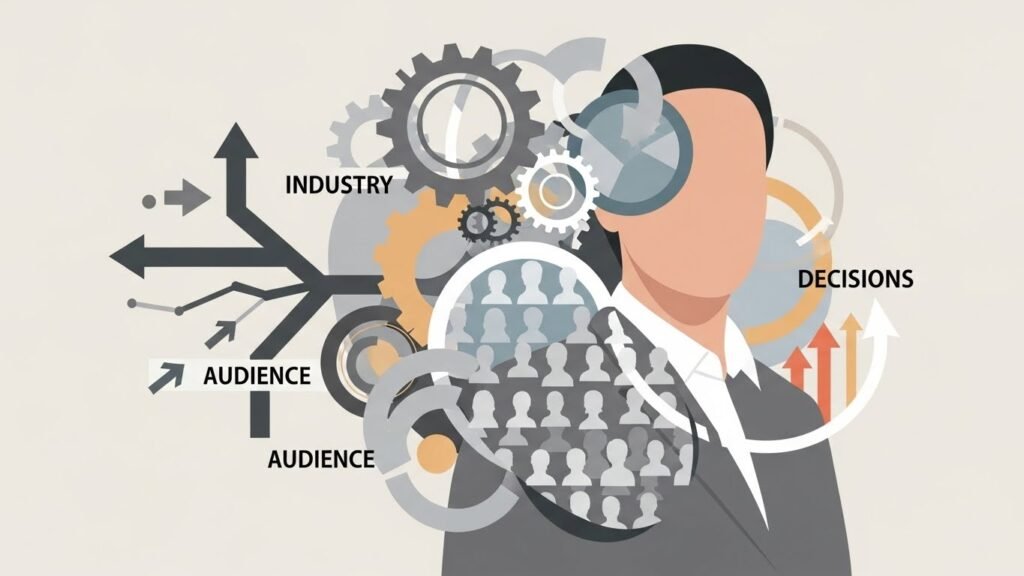
Multiple factors shape how individual celebrity career journeys develop. Understanding these influences reveals why careers progress differently across individuals.
Industry conditions affect all careers operating within particular sectors. Market dynamics, technological changes, and structural industry shifts create contexts that influence individual career possibilities. These external conditions set parameters within which careers develop.
Professional relationships significantly influence career trajectories. Connections with decision-makers, collaborators, and industry figures affect opportunity access and career support. The quality and breadth of professional networks shape career development.
Representation quality affects career management effectiveness. Agents, managers, and other representatives make decisions and provide guidance that influences career direction. Professional representation choices significantly impact career trajectories.
Audience response ultimately determines much of career progression. Public reception of professional work drives recognition levels and opportunity access. Audience preferences and responses exert substantial influence over career development.
Competition within industries affects individual positioning. The presence of other professionals seeking similar opportunities creates competitive dynamics that influence career outcomes. Competitive positioning requires attention throughout celebrity career journeys.
Professional decision-making cumulatively shapes career direction. Individual choices about which opportunities to pursue, how to present professionally, and where to focus effort compound over time. The aggregate effect of these decisions determines career trajectories.
Health and physical capability influence careers differently depending on professional requirements. Fields requiring physical performance may be affected by capability changes more than those dependent on other skills. Physical factors constitute relevant career influences for many professionals.
Why Understanding Celebrity Career Journeys Matters

Comprehending how careers develop in recognition-oriented industries serves multiple purposes beyond simple curiosity about famous individuals.
Career understanding provides context for evaluating professional achievements. Recognizing the developmental processes, challenges, and decisions involved in career building supports informed assessment of professional accomplishments.
Industry insight emerges from examining career patterns. How recognition-oriented industries function becomes clearer through understanding typical career progressions and the factors that influence them. This industry knowledge serves various analytical purposes.
Professional development principles illustrated through celebrity career journeys apply broadly. While specific circumstances differ, patterns of skill development, opportunity navigation, and career management translate across professional contexts.
Media literacy improves through understanding career realities. Recognizing how careers actually develop enables more sophisticated interpretation of media coverage and public discussion of famous individuals. This literacy supports critical engagement with celebrity-related content.
Economic understanding of entertainment and related industries benefits from career knowledge. How value is created, distributed, and sustained in these industries becomes clearer through examining career dynamics. This economic perspective informs broader industry analysis.
Historical perspective on industry development emerges from career examination. How industries have changed over time appears through comparing career journeys across different periods. This historical awareness contextualizes current industry conditions.
Conclusion

The celebrity career journey represents a distinct form of professional development operating within industries where public recognition accompanies career success. From initial industry entry through long-term evolution, these careers follow patterns that differ significantly from conventional professional trajectories.
Career beginnings establish professional foundations through initial opportunity access and representation. Early development phases focus on skill building, experience accumulation, and professional establishment within chosen industries.
Breakthrough moments mark transitions to significantly increased recognition and opportunity access. Managing subsequent career growth requires strategic decision-making about opportunities, professional relationships, and long-term direction.
Plateaus, setbacks, and transitions challenge career progression and require navigation strategies. Not all career phases involve advancement, and managing difficult periods significantly influences overall career trajectories.
Long-term career evolution spans decades for extended celebrity career journeys. Adaptation, focus shifts, and eventual legacy considerations characterize later career phases.
Multiple factors influence career direction including industry conditions, professional relationships, representation, audience response, competition, and accumulated decisions. These influences combine to shape unique career trajectories.
Understanding the celebrity career journey provides context for achievement assessment, industry insight, professional development principles, media literacy, economic understanding, and historical perspective. This knowledge serves purposes extending beyond simple interest in famous individuals.
The professional paths of recognized figures reveal how careers develop, face challenges, and evolve within industries where visibility and public response form essential career elements. Examining these journeys illuminates professional dynamics unique to fame-oriented fields while identifying patterns applicable to broader career understanding.